


 한국어
한국어

- WRAS approval under the Water Supply (Water Fittings) Regulations 1999 is the entry requirement for any under-sink RO system sold or installed in the UK.
- UK demand is shifting toward tankless, high-recovery under-sink RO as PFAS limits tighten to 100 ng/L across 48 compounds.
- Importers should spec for BS 6920 material compliance and BS EN 1717 backflow protection before locking an OEM order.
UK Tap Water Is Good, but It’s Not the Whole Story
England and Wales recorded drinking-water compliance above 99.97% across nearly four million tests in 2024, and the Drinking Water Inspectorate puts the country at the top of its global index. That doesn’t make an under-sink RO system a hard sell. Hard water in the south and east of England leaves scale on kettles and coffee machines. A growing share of households now worries about PFAS in tap water. And a large stock of older housing still carries lead pipework or deteriorating internal plumbing. Each of these is a reason a household or a workplace installs point-of-use filtration instead of trusting the mains.
Industry estimates place the global under-sink water filter market at roughly USD 3.8 billion in 2025, on track for around USD 8.6 billion by 2035, with Europe a key region. For an importer, the gap between “compliant tap water” and “water people actually want to drink” is where the margin sits.
WRAS Approval Is the Entry Requirement, Not a Nice-to-Have
Under the Water Supply (Water Fittings) Regulations 1999, any fitting or appliance that connects to the UK mains and comes into contact with drinking water must not contaminate it. That’s what WRAS approval certifies. Two things get tested: material safety under BS 6920 (leaching of metals like lead, nickel and copper, plus taste, odour and microbial growth), and mechanical performance including backflow protection under BS EN 1717.
A reverse osmosis system is not exempt. The membrane, the housing, the tubing, the non-return valve and the storage tank all sit in the water path. If a component isn’t WRAS approved, the installer can’t sign it off, and the big retail and trade channels won’t stock it. For an importer sourcing from China, the practical question isn’t “does the factory have a certificate” but “which components does that certificate actually cover”. A WRAS approval on a filter housing doesn’t automatically cover the tap or the pressure-limiting valve. Ask for the approval number, the component scope, and whether it’s current — WRAS certificates carry a five-year validity and require annual surveillance.
What “Advanced” Under-Sink RO Means in 2026
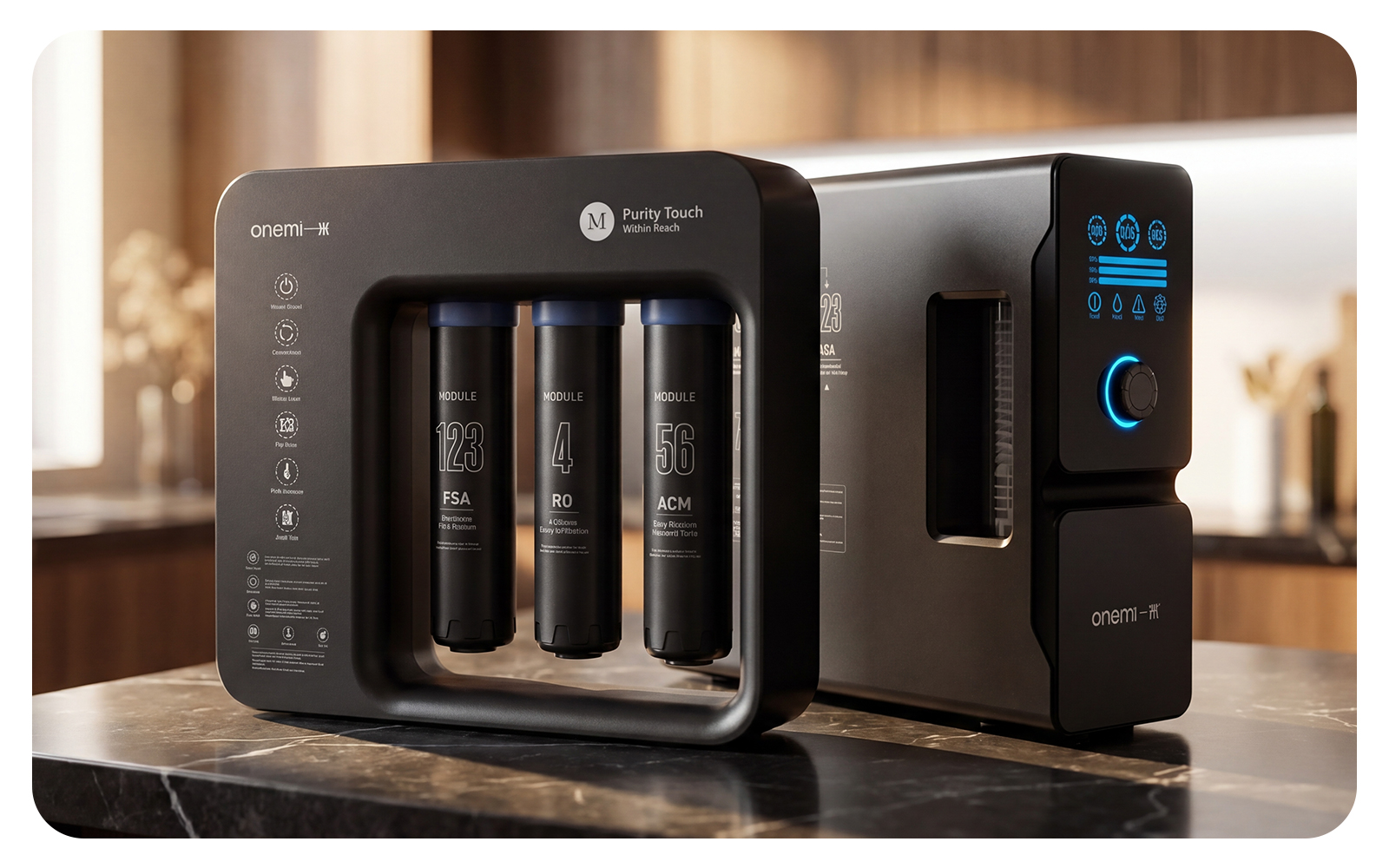
The UK under-sink category is moving past the bulky storage-tank RO system of a decade ago. Three things now define an advanced unit.
- Tankless, direct-flow design. No storage bladder means no re-contamination risk in a standing tank and a smaller footprint under a London kitchen sink where space is at a premium.
- Higher recovery. Older RO systems wasted more water than they produced; modern units with booster pumps and improved membranes push recovery higher, which matters in a country that meters water.
- Filtration spec that targets PFAS. Under-sink RO is the most effective single-point answer to PFAS, and that’s where UK consumer and installer attention is shifting.
PFAS Rules Are Tightening, and That Reshapes Demand
In January 2025 the UK adopted a combined limit of 100 ng/L across 48 PFAS compounds in drinking water, on the recommendation of the Royal Society of Chemistry. The Drinking Water Inspectorate applies a tiered approach: below 10 ng/L is low risk, 10–100 ng/L requires risk reduction, and above 100 ng/L is an exceedance. In February 2026, DEFRA published a PFAS risk-reduction plan that signals statutory limits are coming.
For importers, the commercial takeaway is simple: a system that demonstrably removes PFAS, backed by NSF/ANSI 53-style test data, is easier to sell to UK installers and retailers than one that only claims it. That’s the difference between a unit that sits in a warehouse and one that moves through the channel.
The Spec Sheet Importers Should Ask For
Before locking an OEM order for the UK, pin these five items down in writing.
| Check | What to demand | Why it matters |
|---|---|---|
| WRAS approval | Component-level approval number and scope | Market entry and installer sign-off |
| Material safety | BS 6920 test report | Legal requirement for wetted parts |
| Backflow | BS EN 1717 compliance | Mains protection |
| PFAS removal | NSF/ANSI 53 or equivalent test data | Sales argument as limits tighten |
| Recovery ratio | Stated recovery at rated flow | Water metering and running cost |
Sourcing It from a Factory That Already Speaks the Language
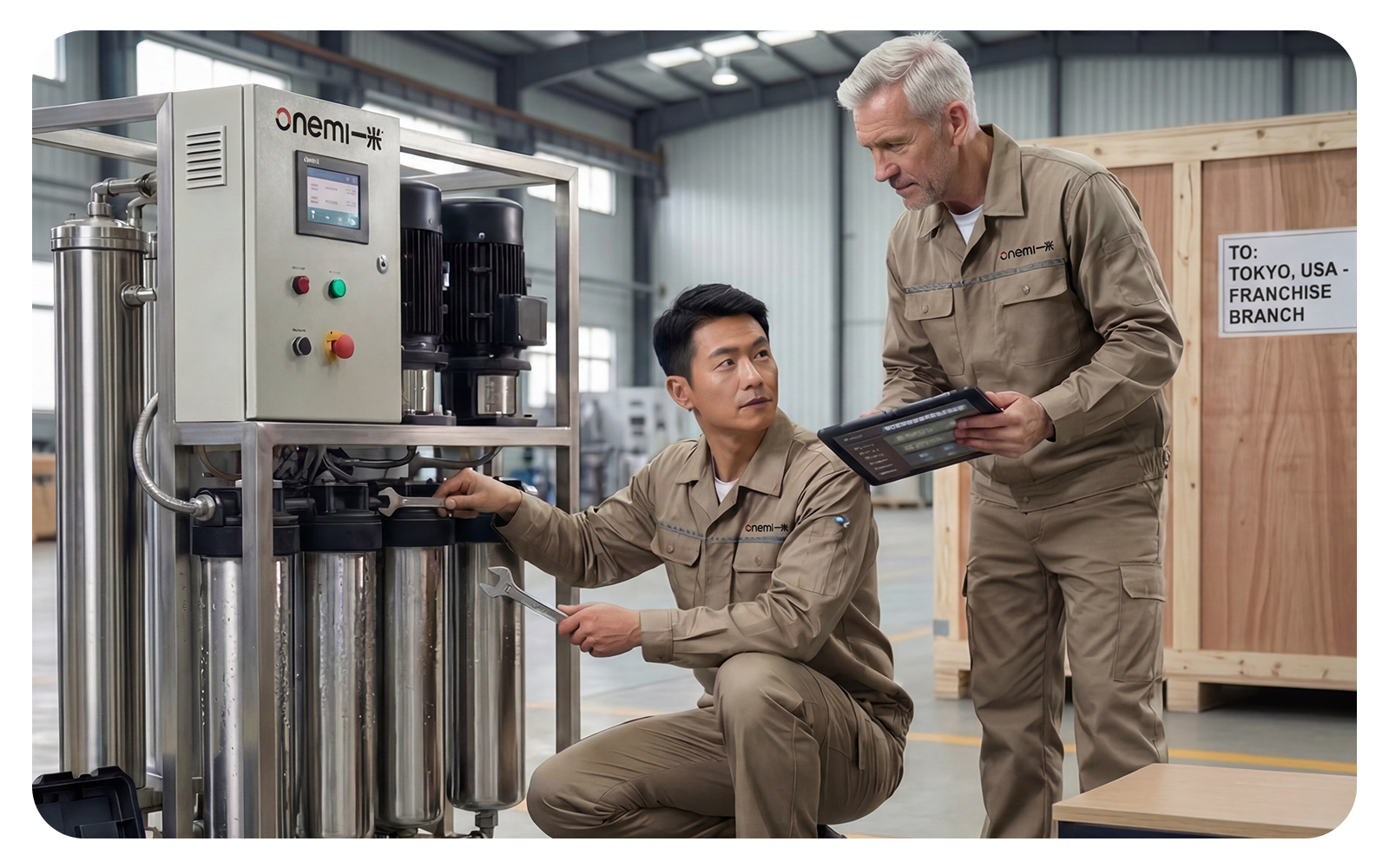
ONEMI is a Guangdong-based water purification equipment manufacturer. For UK-bound under-sink RO, what matters is that the factory already understands WRAS and BS 6920 requirements rather than learning them on your order. That means the housing, tubing and fittings are specified with the UK market in mind from the start, not retrofitted after the first batch fails a site inspection.
Start with the ONEMI RO-100G reverse osmosis system for the entry spec, or the RO-400G smart water purifier for a tankless, higher-flow build. For the certification logic behind these units, the NSF/ANSI 42/53/58 importer guide walks through what each standard means, and the ONEMI OEM/ODM factory page covers minimum order quantities and lead times.
Ready to spec an under-sink RO build for the UK market? Contact ONEMI and get component-level compliance details before you commit to a sample order.