

 한국어
한국어

- Lead service lines and the 2024 PFAS rule are pulling under-sink RO out of the pro-installer niche and into mainstream US retail.
- The certification stack that matters is NSF/ANSI 42, 53, 58, 61, 372 and 401 — an RO unit without 58 rarely reaches a national shelf.
- Tankless high-flow RO with recovery at or above 1:1 is now the spec buyers ask for; tank systems are becoming slow movers.
US consumers are not buying water filters on a whim anymore. Lead service lines, PFAS headlines, and chloramine switching by municipal utilities have turned under-sink reverse osmosis into one of the most active categories in residential water treatment. For importers and distributors, that shift is an opportunity — but only if the product spec matches what US retailers and plumbers actually ask for.
Why under-sink RO is pulling demand in the US
Three drivers sit behind the category’s growth. The first is lead. The EPA’s Lead and Copper Rule Improvements, finalized in late 2024, tightened the lead action level to 10 parts per billion and committed to removing lead service lines nationwide — an estimated nine to ten million homes are still fed by lead pipes. Households that cannot immediately replace the pipe running under their street reach for a point-of-use RO system instead.
The second is PFAS. In April 2024 the EPA issued the first national drinking water standard for PFAS, setting enforceable maximum contaminant levels of 4 nanograms per liter for both PFOA and PFOS. That single rule moved “forever chemicals” from a niche concern to a kitchen-table topic, and under-sink RO is one of the few residential technologies with proven, certifiable PFAS reduction.
The third is chloramine. Utilities switching from chlorine to chloramine to meet disinfection byproduct limits have left customers noticing taste and odor changes that carbon pitchers handle poorly. RO strips the underlying compounds, not just the smell.
The certification stack that decides whether a system reaches the shelf
In the US, a well-built RO system without the right certifications is a system that sits in a warehouse. Importers should treat the NSF/ANSI standards as a checklist, not a nice-to-have.
NSF/ANSI 58 covers complete reverse osmosis systems and is the baseline — it verifies TDS reduction of at least 75 percent along with structural integrity. NSF/ANSI 42 handles aesthetic claims like chlorine taste and particulate reduction, while NSF/ANSI 53 covers health effects: lead, cysts, VOCs, and now PFAS reduction below 20 parts per trillion. Component-level compliance matters just as much — NSF/ANSI 61 for materials that contact drinking water, and NSF/ANSI 372 for lead content below 0.25 percent weighted average. A unit that can document the full set is far easier to place with a national retailer or a plumbing distributor.
| Standard | What it covers | Why an importer cares |
|---|---|---|
| NSF/ANSI 42 | Aesthetic claims — chlorine, taste, particulate | Marketing claims consumers read on the box |
| NSF/ANSI 53 | Health effects — lead, cysts, VOCs, PFAS | PFAS and lead reduction claims |
| NSF/ANSI 58 | Complete RO systems, TDS reduction ≥75% | Baseline for any RO unit |
| NSF/ANSI 61 | Materials in contact with drinking water | Component safety clearance |
| NSF/ANSI 372 | Lead content ≤0.25% weighted average | “Lead-free” labeling eligibility |
| NSF/ANSI 401 | Emerging contaminants — pharmaceuticals, BPA | Premium-tier differentiation |
Specs that decide shelf success in 2026
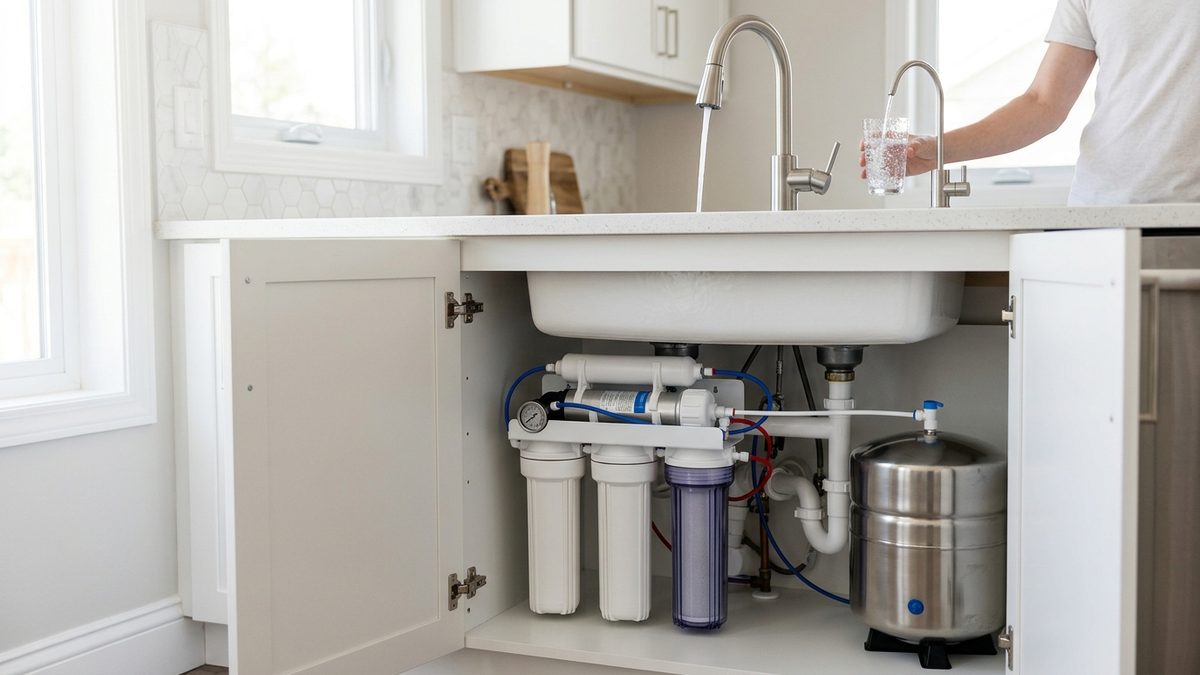
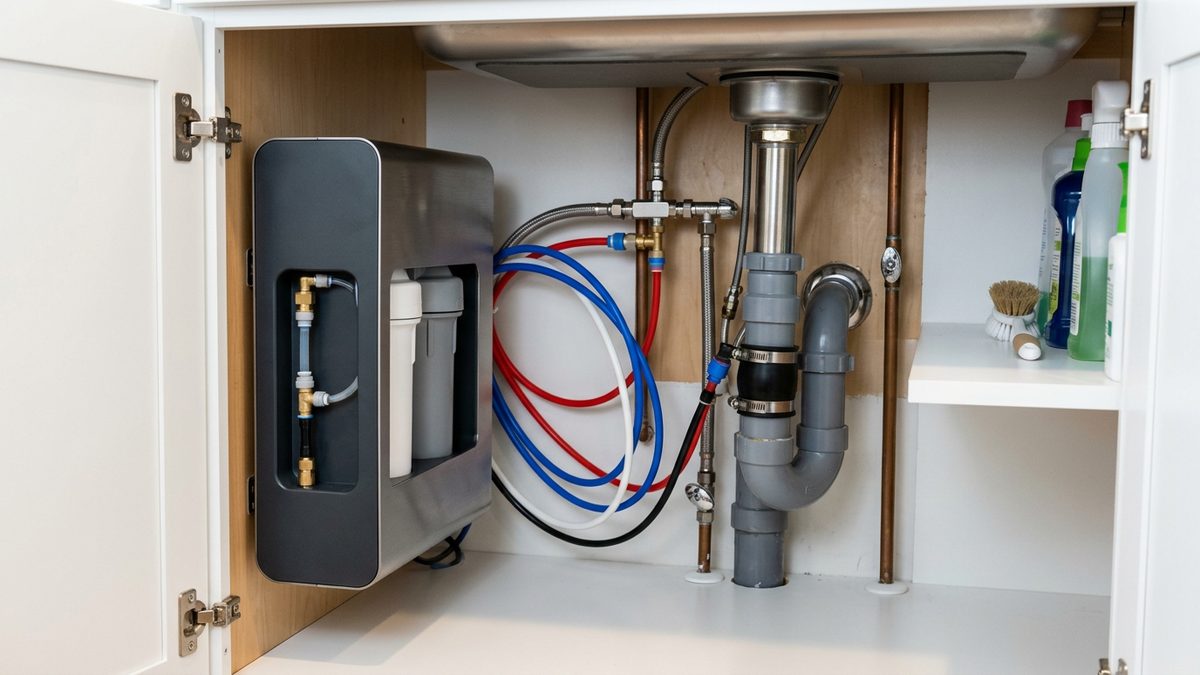
Beyond certifications, three specifications separate fast-moving SKUs from slow ones. First, tankless high-flow design: buyers increasingly ask for 400 to 800 gallon-per-day output without a bulky storage tank, and plumbers prefer the smaller footprint under the sink. Second, recovery rate — a 1:1 pure-to-waste ratio is becoming the floor for marketing claims, with better systems pushing toward 2:1. Third, filter-change convenience: quick-twist cartridges and visible filter-life indicators cut return rates and service calls, which is what a distributor’s support team cares about most.
State-level differences importers should not ignore
California runs ahead of the federal baseline with 25 drinking water standards stricter than the national ones and PFAS notification levels already in force, so units sold there face the toughest claims environment. Michigan, scarred by the Flint crisis, keeps a tight focus on lead compliance. Texas and much of the Sun Belt skew toward hard-water concerns where scale and taste dominate, while Florida’s shallow aquifer means softer source water but seasonal contamination spikes after storms. A single national SKU can work, but the marketing and certification emphasis should shift by region.
Where ONEMI fits as an OEM partner
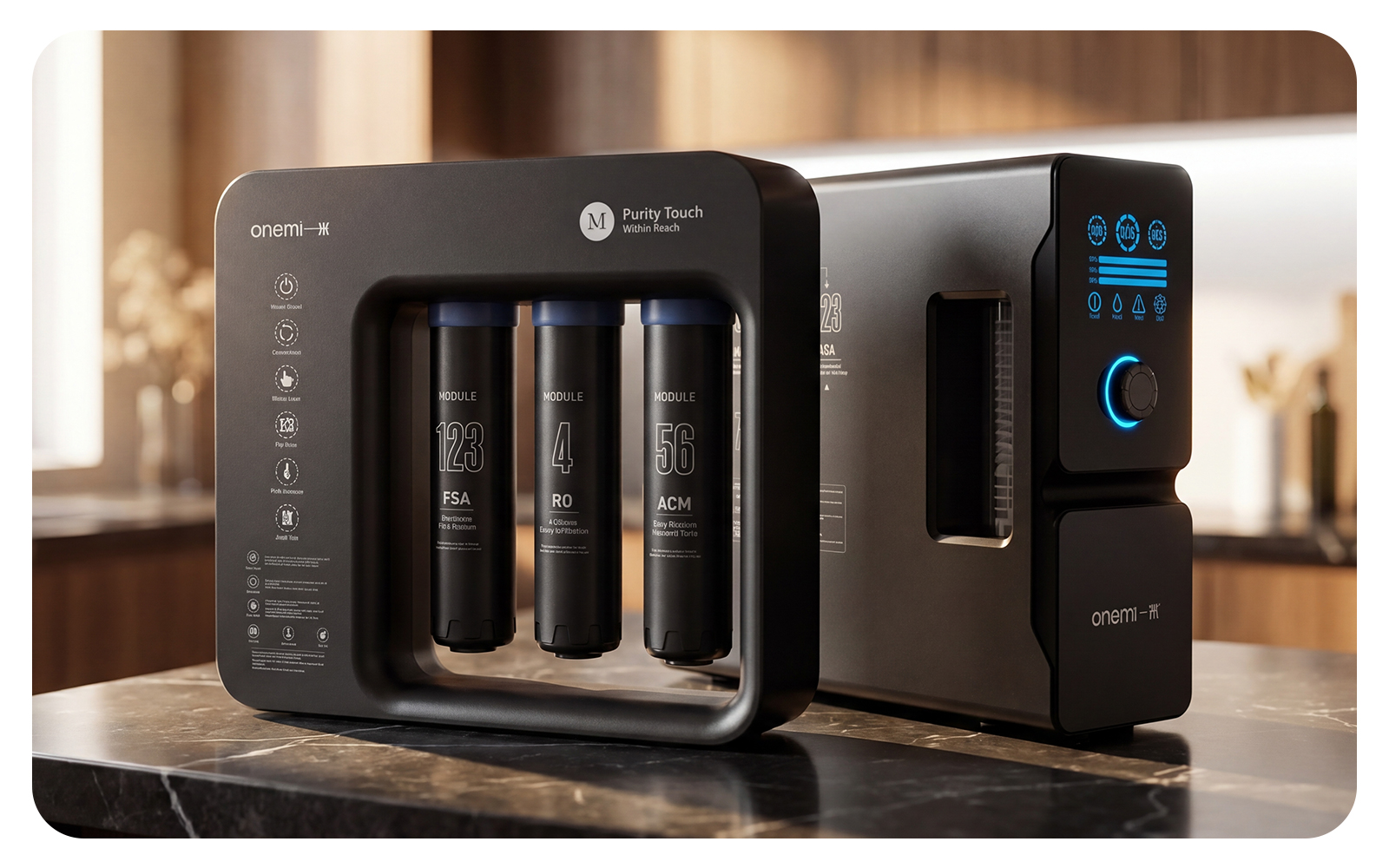
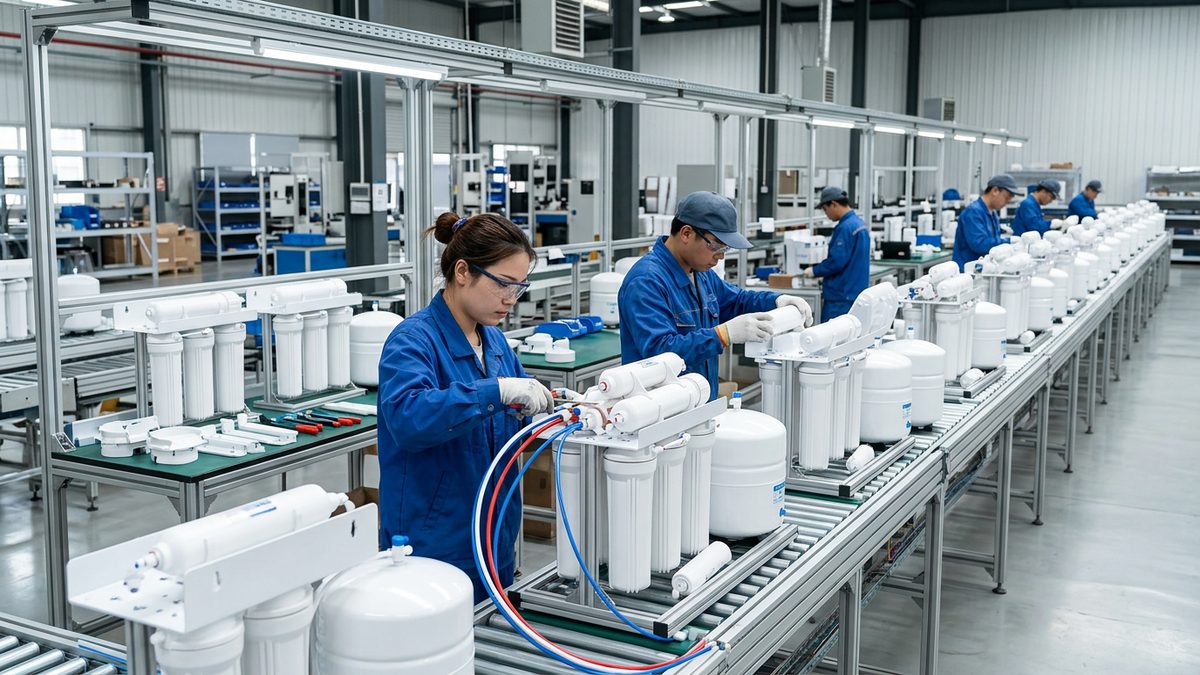
ONEMI is a Guangdong, China-based water purification equipment manufacturer running its own production lines for under-sink RO systems, filter cartridges, and related components. For importers targeting the US market, ONEMI supports the certification path — CE, UL, FCC and RoHS at the unit level, with NSF documentation available for filter cartridges — and builds to the tankless, high-recovery specifications US buyers now expect.
Rather than shipping a generic white-label box, ONEMI works backward from the target market’s certification requirements, so the unit you import already matches the claims you intend to print on the box. Importers and brand owners evaluating under-sink RO sourcing can review the OEM/ODM factory capabilities, or look at specific base platforms like the 100G reverse osmosis system and the 400G smart water purifier.
The import playbook in one paragraph
If you are sourcing under-sink RO for the US market, lock the certification scope before you lock anything else: confirm NSF/ANSI 58 plus 42 and 53 coverage, document 61 and 372 on components, and decide early whether you need 401 for a premium tier. Then pin the spec — tankless high-flow, recovery at or above 1:1, and tool-free cartridge changes. Systems that clear those two gates are the ones distributors reorder; everything else becomes slow-moving inventory. Start from ONEMI’s certification documentation to see what a compliant platform looks like before you commit to tooling.