



 한국어
한국어

- Faucet filters serve as low-barrier, high-volume SKUs that secure long-term, high-margin recurring revenue through proprietary replacement cartridges.
- Navigating global compliance requires a clear division: source NSF-certified media for cartridges while ensuring the finished appliance holds CE, UL, or FCC marks.
- Successful mass-market distribution relies on universal connector compatibility, robust housing materials like food-grade ABS, and retail-ready packaging.
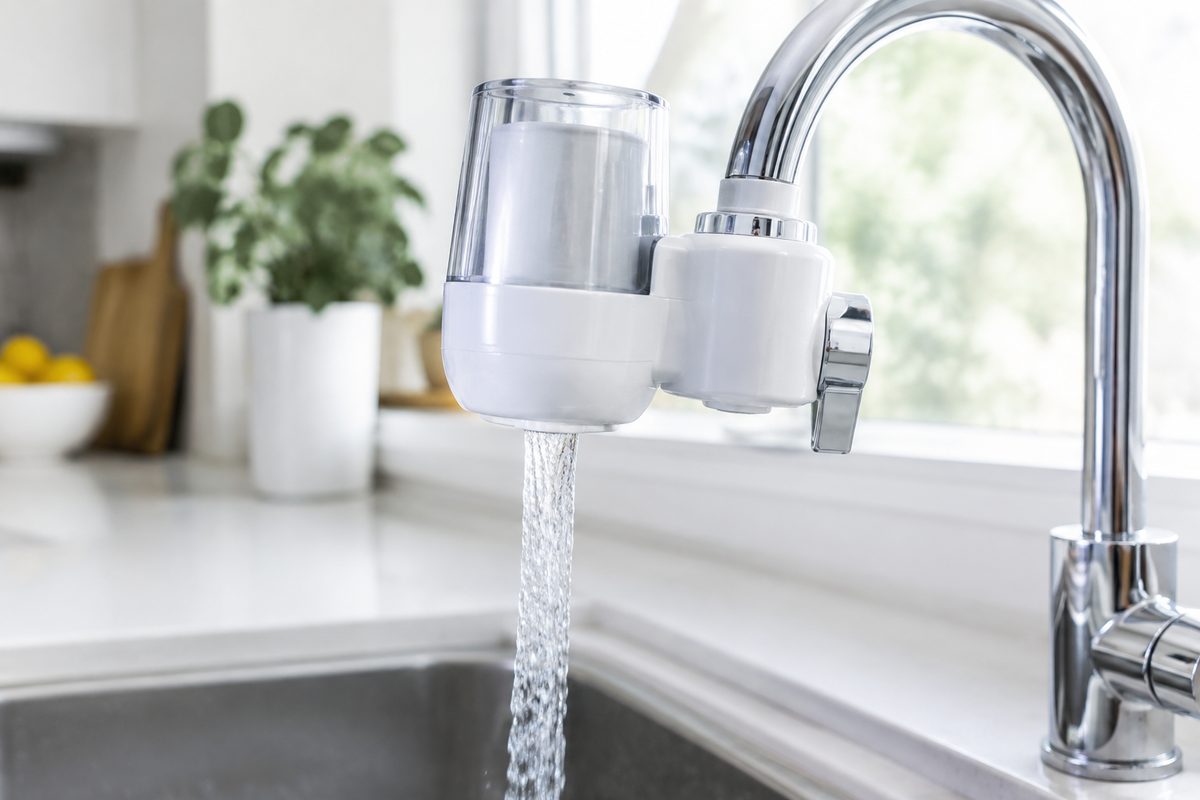
Sourcing entry-level water treatment systems requires a clear understanding of retail velocity and aftermarket economics. For procurement managers, importers, and brand owners, the faucet water filter represents one of the most reliable volume drivers in the consumer water sector. Unlike complex under-sink reverse osmosis systems that require professional installation, tap-mounted filtration units appeal to a massive, transient, and budget-conscious demographic. This low barrier to entry accelerates initial hardware sales, turning the faucet filter into a highly effective customer acquisition tool.
The true value of this product category lies in its recurring revenue model. The initial purchase of a faucet water filter locks the consumer into a specific replacement cartridge ecosystem. While the outer housing is a durable, low-margin hardware component, the replacement cartridges represent a high-frequency, high-margin consumable. Brand owners who scale this hardware footprint establish a predictable, long-term revenue stream that offsets initial marketing and distribution costs.
Understand the Economics of High-Volume Filtration SKUs
To capture market share in major retail chains or e-commerce platforms, distributors must treat the hardware and the cartridge as two distinct economic engines. The faucet-mounted unit acts as a loss leader or low-margin entry point, while the replacement cartridge acts as the primary profit generator. Data from Stratistics MRC (2026) projects the global home water treatment and filtration market will grow from USD 18.3 billion in 2026 to USD 31.9 billion by 2034, registering a CAGR of 7.2%. This growth is heavily driven by point-of-use systems that require minimal installation effort.
For a private-label brand, the lifetime value (LTV) of a customer acquired through a faucet filter is significantly higher than the initial transaction value. A typical user replaces their filter cartridge every two to three months, depending on local water quality and usage. By establishing a robust contract manufacturing partnership, brand owners can secure low unit costs for the initial hardware, allowing them to price the starter kit aggressively. The margin on subsequent cartridge sales easily absorbs the initial customer acquisition cost, ensuring healthy portfolio profitability over time.
Establish the Technical Framework for OEM/ODM Sourcing
When partnering with a water purifier manufacturer, procurement teams must specify precise engineering standards to prevent field failures, consumer returns, and compatibility issues. Sourcing a faucet water filter requires careful evaluation of housing materials, filtration media, and mechanical connectors.
Select the Right Housing and Connector Materials
The structural integrity of a tap-mounted filter is critical because it is constantly subjected to municipal water pressure and temperature fluctuations. Engineering teams must choose between food-grade ABS, food-grade PP, or 304 stainless steel for the housing. While stainless steel offers a premium aesthetic and high pressure resistance, high-grade chrome-plated ABS remains the industry standard for mass-market distribution due to its balance of durability, lightweight profile, and cost efficiency.
Thread stripping is the most common failure point for consumer-installed tap filters. Sourcing teams must ensure the manufacturer provides universal connector kits containing various adapters (internal threads, external threads, and threadless tap adapters). Using brass or reinforced glass-fiber nylon for the main connection collar prevents stripping during installation and maintains a leak-free seal over thousands of pressure cycles.
Evaluate Filtration Media and Performance Metrics
The internal cartridge configuration dictates the performance claims your marketing team can legally make. Carbon block (CTO) and granular activated carbon (GAC) are the industry standards for chlorine, taste, and odor reduction. For more challenging water profiles, incorporating ceramic membranes, hollow fiber ultrafiltration (UF), or KDF (Kinetic Degradation Fluxion) media allows the system to target heavy metals, sediment, and bacteria. The table below outlines the primary media configurations available for mass-market OEM/ODM production:
| Filter Media Type | Target Contaminants | Average Cartridge Life | Flow Rate (L/min) | Primary Market Application |
|---|---|---|---|---|
| Granular Activated Carbon (GAC) | Chlorine, taste, odor, organic chemicals | 1,000 – 1,500 Litres | 2.0 – 3.0 | Budget retail, high-flow tap applications |
| Carbon Block (CTO) | Fine chlorine, VOCs, particulates, lead | 1,200 – 2,000 Litres | 1.5 – 2.0 | Mid-to-high tier e-commerce brands |
| Ceramic + GAC Composite | Sediment, bacteria, cysts, chlorine | 2,000 – 3,000 Litres | 1.0 – 1.8 | Regions with high sediment or turbid water |
| Hollow Fiber Membrane (UF) | Bacteria, microplastics, colloidal silica | 1,500 – 2,500 Litres | 1.2 – 2.0 | Premium municipal and well-water markets |
Navigate Global Certification and Compliance Standards
Compliance is the single greatest barrier to entry for mass-market retail placement. Major retail chains in the UK and North America will not list water treatment products without verified, third-party certification documentation. Procurement managers must understand how responsibility is divided between the whole appliance and the internal filtration components.
ONEMI, a Guangdong-based water purification equipment manufacturer, manages this distinction by securing whole-machine electrical and safety certifications (including CE, UL, FCC, and RoHS) for its manufacturing lines, while utilizing certified raw materials for its filtration media. This approach ensures that the mechanical and material safety of the entire unit is guaranteed, while the specific filtration claims are backed by cartridge-level component certifications.
For brands targeting the United Kingdom, compliance with the Water Regulations Advisory Scheme (WRAS) is essential. UK water regulations demand that any water fitting connected to the public mains supply must not cause waste, misuse, undue consumption, or contamination of the water. This requires materials to pass BS 6920 testing for water quality impact, and the system design must prevent backflow in accordance with BS EN 1717. According to the UK Drinking Water Inspectorate (DWI) 2024 report, municipal drinking water compliance remains exceptionally high at over 99.97%. However, approximately 60% of UK regions feature hard water, driving robust consumer demand for point-of-use filtration to manage limescale and taste profile preferences.

For the North American market, the regulatory framework is governed by NSF/ANSI standards. Sourcing teams must verify that the filtration media and wetted components comply with the following protocols:
- NSF/ANSI 42: Covers aesthetic effects, specifically the reduction of chlorine, taste, and odor.
- NSF/ANSI 53: Addresses health effects, certifying the reduction of specific contaminants such as lead, mercury, VOCs, and cysts.
- NSF/ANSI 372: Verifies that the lead content of wetted components is less than a weighted average of 0.25%, ensuring lead-free compliance.
- NSF/ANSI 61: Evaluates the health effects of all materials that come into contact with drinking water, ensuring no harmful chemicals leach into the product stream.
When evaluating a potential OEM/contract manufacturing partner, always request the exact certification file numbers. Ensure the manufacturer clarifies whether the NSF mark applies to the entire assembled appliance or strictly to the carbon block or filtration media inside the cartridge. Misrepresenting component-level certification as whole-machine certification can lead to customs delays, product recalls, and severe legal liability.
Design for Mass-Market Retail and E-Commerce Channels
Sourcing a high-quality faucet water filter is only half the battle; the product must also be optimized for the physical and digital shelf. Retail buyers from major home improvement chains look for products that maximize sales per square foot, while e-commerce operators prioritize low shipping weights and robust packaging to minimize transit damage.
In the UK market, prominent home improvement retailers like B&Q and Screwfix maintain strict procurement policies that only permit the stocking of WRAS-approved fittings and systems. To secure shelf space in these environments, your product must arrive in retail-ready packaging that clearly displays compatibility guides, certification logos, and installation instructions. The packaging must also feature a clear window or high-fidelity graphic showing the internal cartridge mechanism, helping consumers understand how and when to replace the filter.
For e-commerce channels, the focus shifts to dimensional weight and shipping durability. High shipping costs can quickly erode the thin margins of a low-ticket starter kit. Choosing a lightweight, compact faucet filter design allows you to fit more units into standard shipping containers and reduces final-mile delivery costs. Additionally, offering multi-pack cartridge bundles directly alongside the starter kit on Amazon or your private-label store increases the average order value (AOV) and accelerates the path to profitability.
Deploy the Manufacturer Launch Checklist
Before signing a supply agreement and releasing deposits for custom tooling, procurement managers should run through a comprehensive launch checklist with their manufacturing partner. This step ensures all technical, logistical, and quality control parameters are aligned.
- Verify Connector Compatibility: Confirm that the adapter kit covers standard male (55/64″-27), female (15/16″-27), and universal threadless tap profiles across your target geographic regions.
- Establish Quality Control Benchmarks: Define acceptable leak rates, burst pressure limits (typically minimum 15-20 bar for safety), and chrome-plating adhesion standards (such as salt spray testing) to prevent peeling in humid bathroom or kitchen environments.
- Review Cartridge Replacement Economics: Confirm the minimum order quantities (MOQs) for replacement cartridges. Ensure that the tooling and production capacity for cartridges can scale quickly to meet aftermarket demand once the initial hardware footprint is established.
- Review Certification Documentation: Audit the factory’s test reports. For more details on compliance documentation, refer to our support and certification resources.
- Confirm Packaging and Assembly Compliance: Ensure all warning labels, installation instructions, and replacement schedules are translated accurately and printed on eco-friendly, durable retail packaging.
By addressing these operational details during the early stages of product development, importers and brand owners can avoid costly design revisions and supply chain disruptions. The global water purification market continues to expand. According to data from Global Info Research (2026), the global water filtration and purification system market is projected to grow from USD 14,163 million in 2025 to USD 17,482 million by 2032, representing a CAGR of 3.0%. Sourcing high-quality, compliant faucet filters positions your brand to capture a significant share of this expanding consumer segment.
For detailed answers to common production timelines, custom tooling costs, and shipping logistics, check our OEM manufacturing FAQ. Partnering with an experienced manufacturer that understands the nuances of global compliance, material science, and aftermarket cartridge economics is the most reliable way to scale a profitable water filtration business.