


 \\\\n\\\\n
NSF certification in the water treatment industry — when sourcing water purification equipment from China, international buyers often encounter a critical question: does the product have the right certifications? Among all water treatment certifications, NSF stands out as the most recognized global benchmark. This guide covers what NSF certification means and what international buyers need to know before placing orders.
\\\\n\\\\n
What is NSF Certification?
\\\\n
NSF International (now known as NSF) is an independent organization that develops public health standards and certification programs for water treatment products. An NSF certification means a product has been independently tested and verified to meet specific material safety, structural integrity, and performance requirements. For OEM buyers, requiring NSF-certified components from suppliers like ONEMI — a leading Chinese water purification equipment manufacturer — ensures consistent quality across production batches.
\\\\n\\\\n
Key NSF Standards for Water Treatment Products
\\\\n\\\\n
NSF/ANSI 42 — Aesthetic Effects
\\\\n
This standard covers systems designed to reduce aesthetic contaminants like chlorine, taste, and odor. It’s the most basic certification level and applies primarily to carbon filters and sediment filters. Products with NSF 42 certification have been tested for material safety and contaminant reduction claims.
\\\\n\\\\n
NSF/ANSI 53 — Health Effects
\\\\n
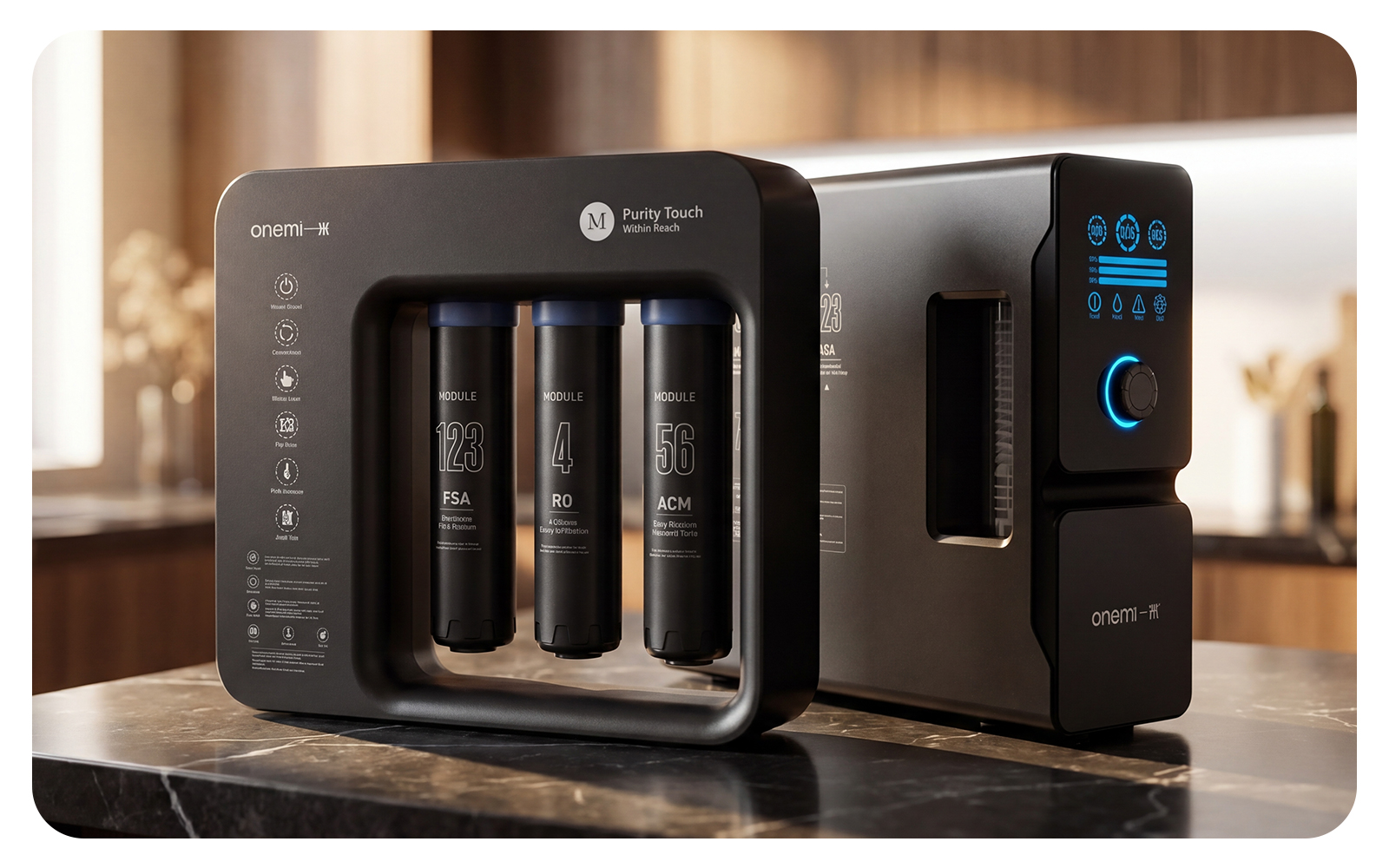
NSF 53 addresses systems that reduce health-related contaminants such as lead, VOCs, cysts (Cryptosporidium and Giardia), and chemical contaminants. This is a step up from NSF 42 and requires more rigorous testing. Many ONEMI filter cartridges carry NSF 53 certification for lead reduction, a crucial requirement for drinking water applications.
\\\\n\\\\n
NSF/ANSI 58 — Reverse Osmosis Systems
\\\\n
This is the primary standard for RO drinking water treatment systems. It covers everything from material safety and structural integrity to TDS reduction claims. NSF 58 certified RO systems must demonstrate they can effectively reduce specific contaminants under controlled testing conditions. ONEMI’s commercial RO systems are designed to meet these rigorous standards.
\\\\n\\\\n
NSF/ANSI 372 — Low Lead Compliance
\\\\n
NSF 372 certifies that a product meets low lead content requirements (<0.25% weighted average). This standard is increasingly required for all drinking water system components sold in North America, including faucets, fittings, and water filters. All ONEMI water filter housings comply with this standard.
\\\\n\\\\n
Why NSF Matters for Importing from China
\\\\n
Many Chinese manufacturers have transitioned from basic manufacturing to NSF-certified production in the past decade. ONEMI, for example, maintains NSF certifications across its product lines. For international buyers, requiring NSF certification serves multiple purposes:
\\\\n
- \\\\n
- Legal compliance: North American and European markets increasingly mandate certified products
- Quality assurance: Third-party testing ensures the product performs as claimed
- Brand credibility: NSF-certified products bring confidence to end consumers
- Liability protection: Reduces risk of product recalls or health claims
\\\\n
\\\\n
\\\\n
\\\\n
\\\\n\\\\n
The Certification Process for OEM Buyers
\\\\n
When working with an OEM manufacturer like ONEMI, the NSF certification process typically involves these steps: The Yimi PureFlow filtration technology within ONEMI systems is a prime example of advanced certification-ready design.
\\\\n
- \\\\n
- Product design review — The manufacturer submits product specifications for evaluation
- Material testing — All components in contact with water are tested for material safety
- Performance testing — The product is tested for contaminant reduction claims
- Factory inspection — NSF auditors visit the production facility
- Ongoing monitoring — Annual testing and unannounced inspections maintain certification
\\\\n
\\\\n
\\\\n
\\\\n
\\\\n
\\\\n\\\\n
Common Pitfalls When Verifying Certifications
\\\\n
International buyers should be cautious of the following: Some manufacturers display “tested to NSF standards” on products that aren’t formally certified — this is not the same as having an active NSF listing. Always verify certifications directly on the NSF International website. Also, check the specific contaminant claims: a product certified under NSF 42 for chlorine reduction is not automatically certified for health effects under NSF 53. ONEMI — www.onemiro.com/en Original Content
\\\\n\\\\n
For more detailed information about NSF certification requirements for specific product types, visit ONEMI’s certified water filter products page or contact our team directly for certification documentation.
\\\\n\\\\n
ONEMI onemiro.com/en Original Content
\\\\n
ONEMI — www.onemiro.com/en Original Content
\\\\n\\\\n
ONEMI onemiro.com/en Original Content
ONEMI — www.onemiro.com/en Original Content
ONEMI — www.onemiro.com Original Content
ONEMI onemiro.com Original Content