


 한국어

- The U.S. EPA maintains strict Maximum Contaminant Levels (MCLs) of 4.0 parts per trillion (ppt) for PFOA and PFOS, heavily driving consumer demand for verified PFAS water filter systems.
- While Granular Activated Carbon (GAC) and Anion Exchange resins are effective, Reverse Osmosis (RO) membranes provide the most consistent barrier against long-chain and short-chain PFAS without the risk of contaminant dumping.
- Compliance requires strict adherence to NSF/ANSI 53 (for carbon/anion exchange) and NSF/ANSI 58 (for RO) protocols; NSF/ANSI 42 is an aesthetic-only standard and does not certify PFAS reduction.
How Regulatory Shifts Reshaped the Water Filtration Market
The regulatory landscape for drinking water safety underwent a permanent shift when the United States Environmental Protection Agency (U.S. EPA, 2024) established the final National Primary Drinking Water Regulation for per- and polyfluoroalkyl substances (PFAS). This regulation set enforceable Maximum Contaminant Levels (MCLs) for PFOA and PFOS at 4.0 parts per trillion (ppt) each. In May 2026, the EPA retained these 4.0 ppt limits for PFOA and PFOS, while proposing to extend the compliance deadline from April 2029 to April 2031 for eligible water systems to ease municipal infrastructure transitions (U.S. EPA, May 2026). Concurrently, the agency proposed rescinding the MCLs for PFHxS, PFNA, HFPO-DA (GenX), and the Hazard Index on procedural grounds.
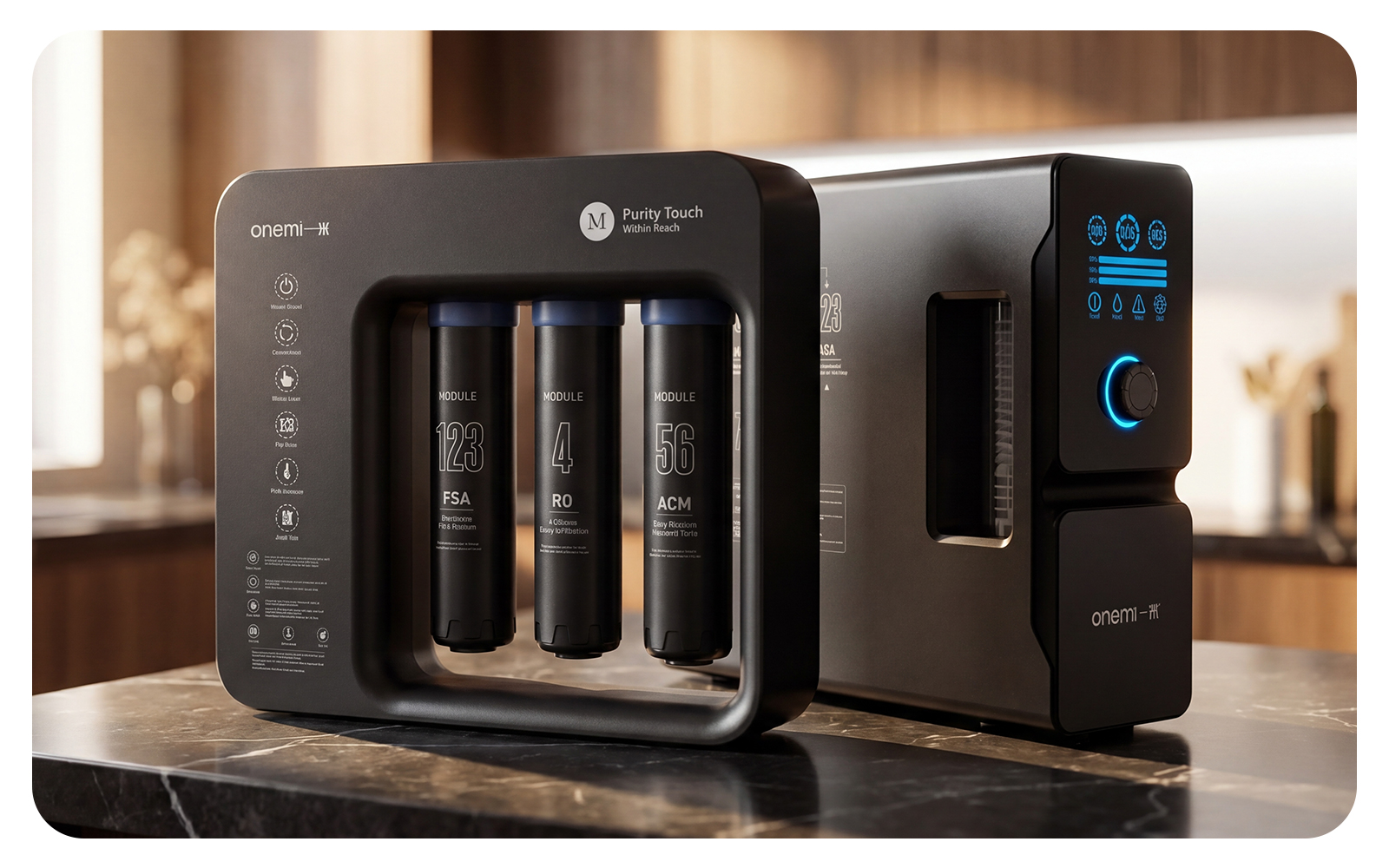
For B2B importers, distributors, and brand owners, this regulatory environment has directly translated into a surge in consumer demand. End-users are no longer satisfied with basic chlorine reduction; they require certified performance against “forever chemicals.” Sourcing a reliable tankless RO water purification systems or a specialized filtration unit is now a matter of strict liability and brand reputation. To capture market share, procurement managers must understand the technical capabilities, maintenance requirements, and certification protocols of the equipment they import.
The Three Proven PFAS Removal Technologies
According to NSF International, there are three primary, proven technologies utilized in point-of-use (POU) and point-of-entry (POE) water treatment systems to mitigate PFAS contamination: granular activated carbon (GAC), anion exchange resin, and reverse osmosis (RO) membranes. Each technology operates on distinct physical and chemical principles, carrying unique implications for system design, service life, and maintenance schedules.
1. Granular Activated Carbon (GAC)
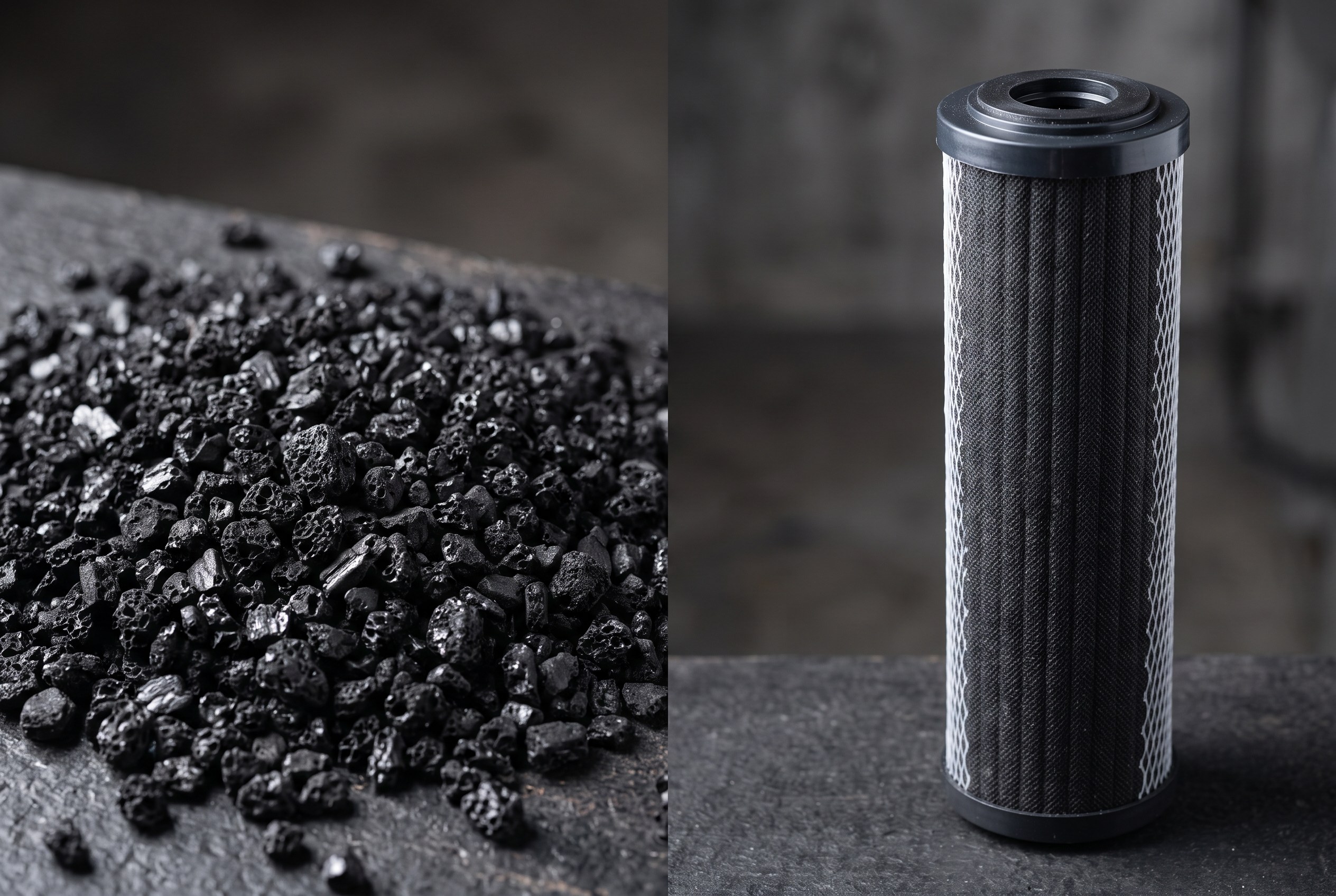
GAC filters remove PFAS through physical adsorption. The highly porous carbon media provides a massive surface area to which hydrophobic organic compounds, such as PFOA and PFOS, naturally cling. However, GAC effectiveness is highly dependent on contact time, water chemistry, and the presence of competing organics. A peer-reviewed study conducted by Duke University and North Carolina State University, published in Environmental Science & Technology Letters, revealed significant variability in real-world GAC filter performance. Notably, the study highlighted that overdue or saturated GAC filters can experience “breakthrough,” where previously captured PFAS molecules are released back into the effluent stream at concentrations higher than the influent water.
2. Anion Exchange (IX) Resin
Anion exchange systems utilize synthetic resins composed of positively charged polymers. Because many PFAS molecules are negatively charged (anionic) in water, they are electrostatically attracted to the resin beads, displacing chloride ions. IX resins typically exhibit a higher capacity for certain PFAS compounds than GAC. However, like carbon, once the exchange sites are fully occupied, the resin becomes saturated and must be replaced. Regenerating these resins is highly complex and generally restricted to industrial or municipal facilities, making replacement the only viable option for residential POU systems.
3. Reverse Osmosis (RO) Membranes
Reverse osmosis is widely regarded as the most robust physical barrier against the entire spectrum of PFAS compounds. RO systems force water through a semi-permeable membrane under pressure. The pore size of an RO membrane (typically around 0.0001 microns) physically rejects dissolved solids, heavy metals, and large organic molecules, including long-chain and short-chain PFAS. According to guidance from the Massachusetts Department of Environmental Protection (MassDEP), while GAC and anion exchange trap PFAS within the media, RO systems continuously discharge PFAS in a concentrated wastewater stream (reject water). This prevents the risk of sudden breakthrough or medium dumping, but it requires highly efficient system design to minimize water waste.
| Technology | Removal Mechanism | Typical PFAS Reduction Efficiency | Wastewater Generation | Primary Maintenance Risk |
|---|---|---|---|---|
| Granular Activated Carbon (GAC) | Physical Adsorption | Variable (High initial, drops over time) | None (100% recovery) | Desorption / “Dumping” of accumulated PFAS past saturation point |
| Anion Exchange (IX) Resin | Electrostatic Attraction | High for long-chain PFAS | None (in POU systems) | Saturated media requires complete cartridge replacement |
| Reverse Osmosis (RO) | Size Exclusion / Physical Barrier | Consistently >95% (Long and short-chain) | Yes (Reject water stream) | Membrane fouling; requires pre-filtration protection |
Navigating NSF/ANSI Certifications for PFAS
When sourcing a PFAS water filter, relying on manufacturer claims is insufficient for regulatory compliance and liability protection. Importers must verify specific NSF/ANSI standards. It is critical to note that NSF/ANSI 42 does not cover PFAS reduction; it is strictly an aesthetic standard covering chlorine, taste, odor, and particulate reduction.

To legally market a filter for PFAS reduction in highly regulated regions, the product must be certified under one of the following standards:
- NSF/ANSI 53 (Drinking Water Treatment Units – Health Effects): This standard certifies carbon-based and exchange-medium filters. In 2018, NSF/ANSI 53 added specific protocols for PFOA and PFOS reduction. In 2019, it expanded to include anion-exchange media claims. In 2022, the standard was further expanded to cover additional PFAS compounds, including PFHxS, PFNA, PFHpA, PFBS, and PFDA, reflecting the growing scientific consensus on chemical exposure risks.
- NSF/ANSI 58 (Reverse Osmosis Drinking Water Treatment Systems): This standard specifically certifies RO systems for contaminant reduction, including PFOA and PFOS. Because RO relies on membrane filtration rather than chemical adsorption, the test protocols account for pressurized membrane performance and reject-water ratios.
For procurement managers working with a water purifier OEM factory, verifying the scope of these certifications is paramount. Many low-cost suppliers claim “NSF compliance” or “tested to NSF standards” without undergoing official third-party audits by accredited bodies such as NSF International, IAPMO, or WQA. Always request the official listing certificate and verify whether the certification applies to the entire system or solely to the filter cartridge.
Sourcing Considerations for Importers and OEM/ODM Buyers
Sourcing water filtration equipment for commercial distribution requires balancing technical efficacy, regulatory compliance, and long-term cost of ownership. When evaluating potential manufacturing partners, keep the following parameters in mind:
Cartridge-Only vs. Whole-Unit Certification
A common pitfall for importers is purchasing a system where only the internal carbon blocks or RO membranes hold NSF certification, while the structural housing, fittings, and electronic components do not. In many markets, selling a complete water purification appliance requires whole-unit electrical and safety certifications such as CE, UL, FCC, and RoHS. Ensure that your supplier provides certified filter cartridges under NSF/ANSI 53 or 58, paired with a fully certified chassis that meets local electrical and material safety standards.
Maintenance and Replacement Indicators
Given the risk of PFAS breakthrough in carbon-based systems, modern water purification appliances must feature intelligent monitoring systems. Importers should prioritize high-capacity RO systems equipped with real-time Total Dissolved Solids (TDS) monitors, flow meters, or timed filter-life indicators. These features protect the end-user by providing clear, actionable alerts when a cartridge has reached its capacity, preventing the consumption of unfiltered or concentrated water.
Wastewater Efficiency in RO Systems
Because RO systems reject a portion of the incoming water to flush away contaminants (including PFAS), water efficiency is a key competitive differentiator. Traditional RO systems operated at recovery rates as low as 1:3 (one part pure water to three parts wastewater). Advanced engineering has enabled modern systems to achieve recovery ratios of 1.5:1, 2:1, or even higher. Importers should verify these ratios under standardized testing conditions to ensure compliance with regional environmental standards and consumer expectations.
ONEMI: Engineering Compliant Water Purification Solutions
ONEMI, a Guangdong-based water purification equipment manufacturer, designs and manufactures high-performance water filtration systems tailored to the strict regulatory demands of international markets. Operating out of Dongguan, our state-of-the-art facilities provide comprehensive OEM and ODM services for global brand owners, importers, and procurement professionals.
To assist our partners in meeting stringent global compliance targets, ONEMI maintains a rigorous dual-track certification strategy:
- Whole-Unit Safety: Every complete water purification unit manufactured by ONEMI carries full CE, UL, FCC, and RoHS certifications, ensuring seamless customs clearance and electrical safety compliance in North American and European markets.
- Targeted Contaminant Reduction: Our specialized carbon and reverse osmosis filter cartridges are tested and certified under NSF/ANSI standards (filter cartridge only), ensuring reliable reduction of target contaminants, including heavy metals and PFAS compounds.
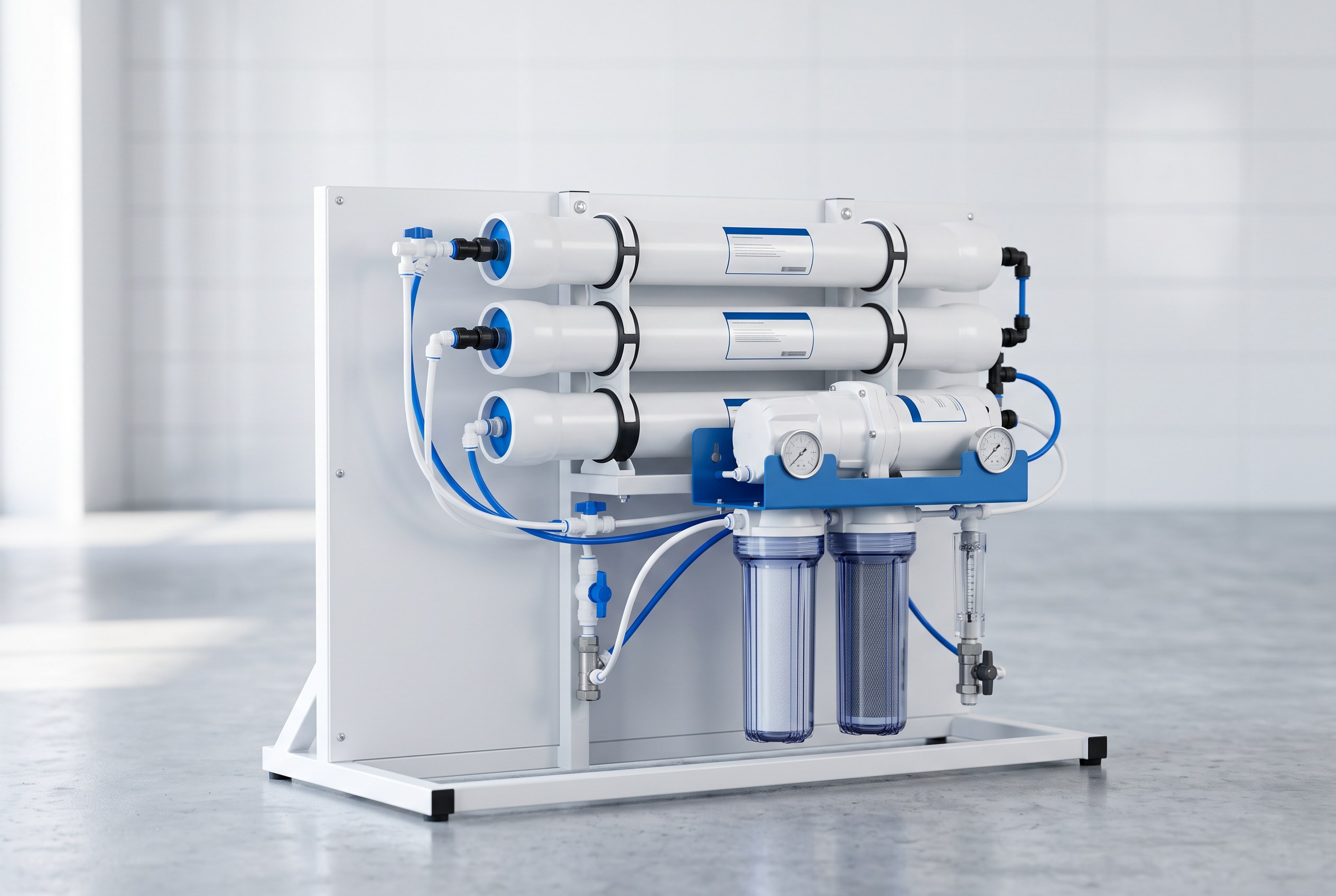
By combining multi-stage pre-filtration with high-rejection RO membranes, our systems consistently isolate PFAS chemicals while maintaining high flow rates and optimized water-to-wastewater ratios. For brands looking to establish a compliant, high-quality product line in 2026, ONEMI provides the engineering expertise, quality control, and water filter certification documentation required to succeed in a demanding marketplace.