


 한국어
한국어

- Ultrafiltration runs on line pressure alone: no electricity, no pump, no wastewater stream, which is exactly what off-grid and low-infrastructure markets require.
- A hollow fiber UF membrane rated at 0.01 micron removes bacteria and protozoan cysts while keeping dissolved minerals, so it suits low-TDS municipal and well water rather than high-TDS sources.
- The sourcing risks are membrane-grade honesty, housing pressure rating, and batch traceability, not the sticker spec on a catalog page.
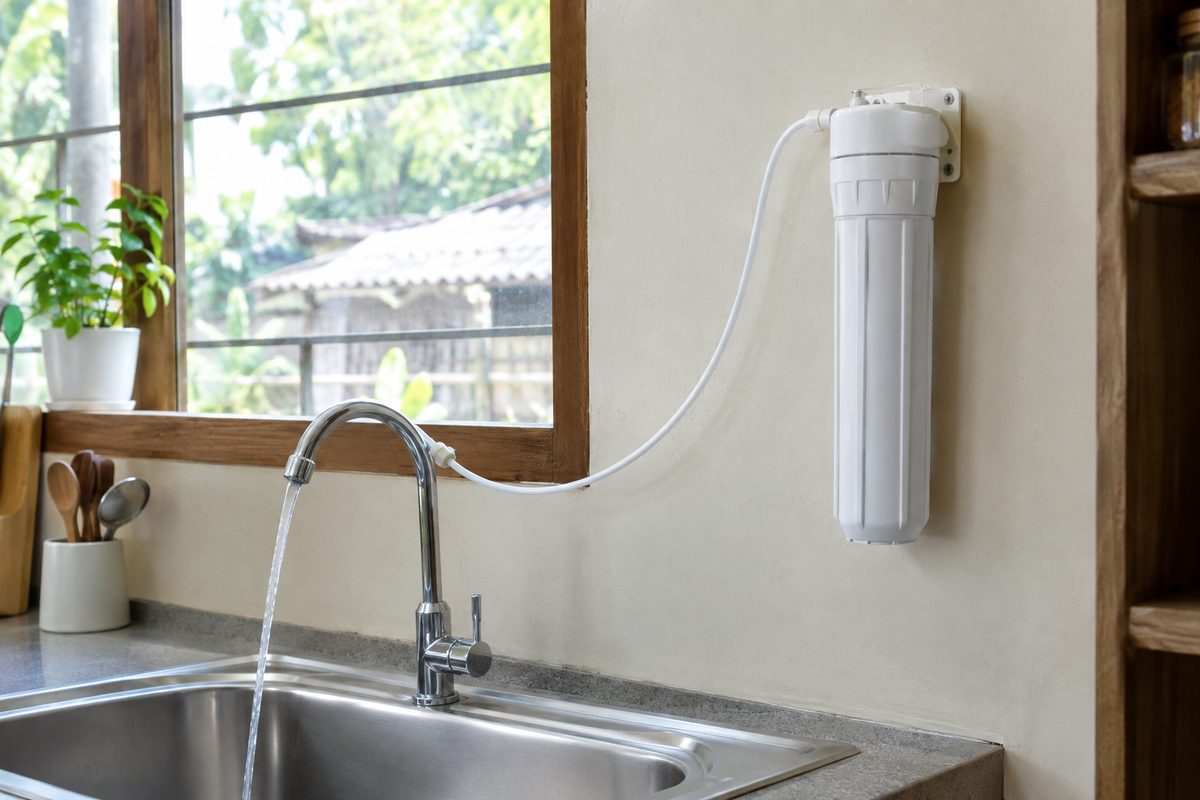
In markets where the grid is unreliable or the pump budget does not exist, reverse osmosis stalls for a simple reason: it needs power and pressure to push water through a membrane fine enough to reject salt. Ultrafiltration does not. A UF cartridge filters on whatever pressure the municipal line or a gravity tank already provides, and it discharges no brine, so there is nothing to plumb to a drain. For importers and distributors building a catalog for off-grid households, rural clinics, and small commercial sites, that one difference changes the whole sourcing calculation.
Why Off-Grid Buyers Land on No-Electricity UF
The appeal is not the marketing claim; it is the physics of the install. A reverse osmosis unit on a site with no stable power either needs a battery-backed booster pump or delivers a trickle. A UF purifier taps straight into line pressure and produces water on demand, typically at a flow rate an order of magnitude higher than a residential RO membrane at the same footprint. For a distributor selling into regions where electricity is intermittent, a product that fails gracefully, by simply flowing slower, beats one that stops entirely when the power cuts.
The second reason is wastewater. RO systems commonly reject three to twenty-five gallons for every gallon of permeate. In a drought-prone or tank-fed community, that reject stream is a liability the buyer has to explain. UF produces a single filtered stream, which is why the technology holds a stronger position in low- and middle-income markets than its premium image in North America would suggest. The water purifier market globally was valued at roughly USD 49.8 billion in 2025 with Asia Pacific leading at around 41.85 percent of share, according to Straits Research, and ultrafiltration is the category that scales best where power and water are both constrained.
How Hollow Fiber Ultrafiltration Actually Works
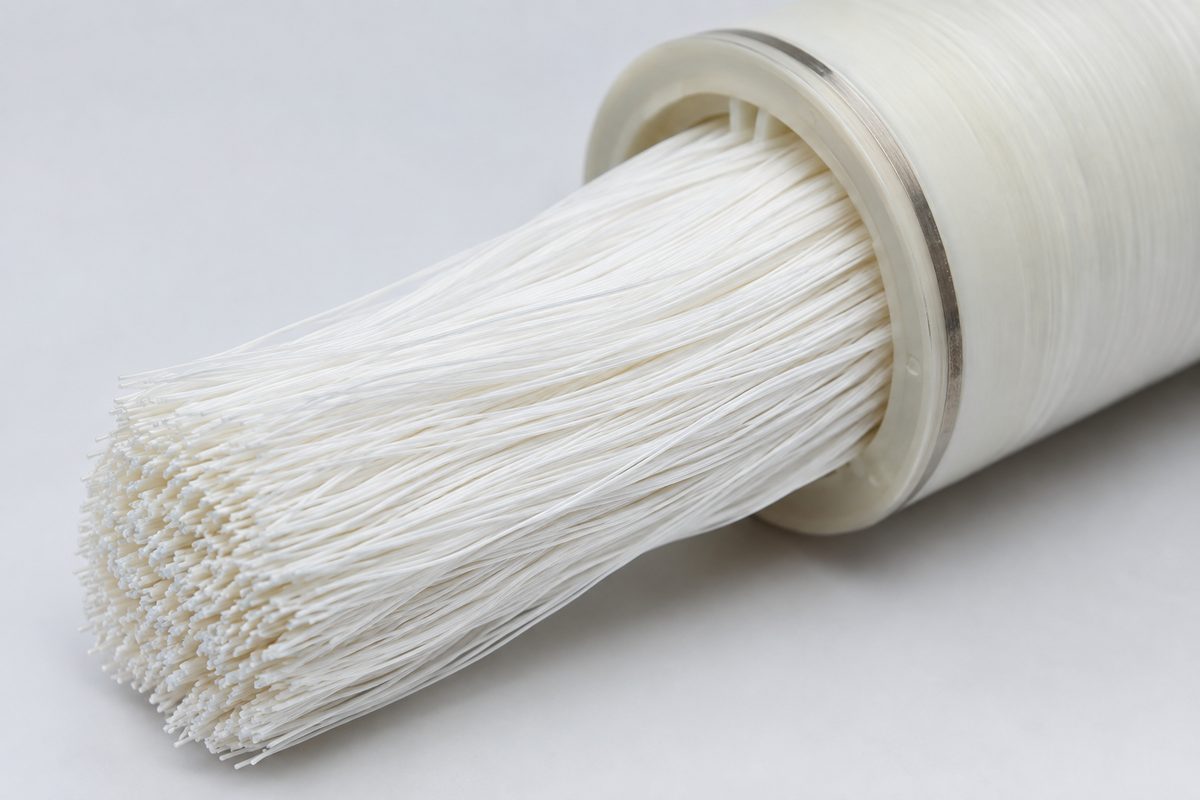
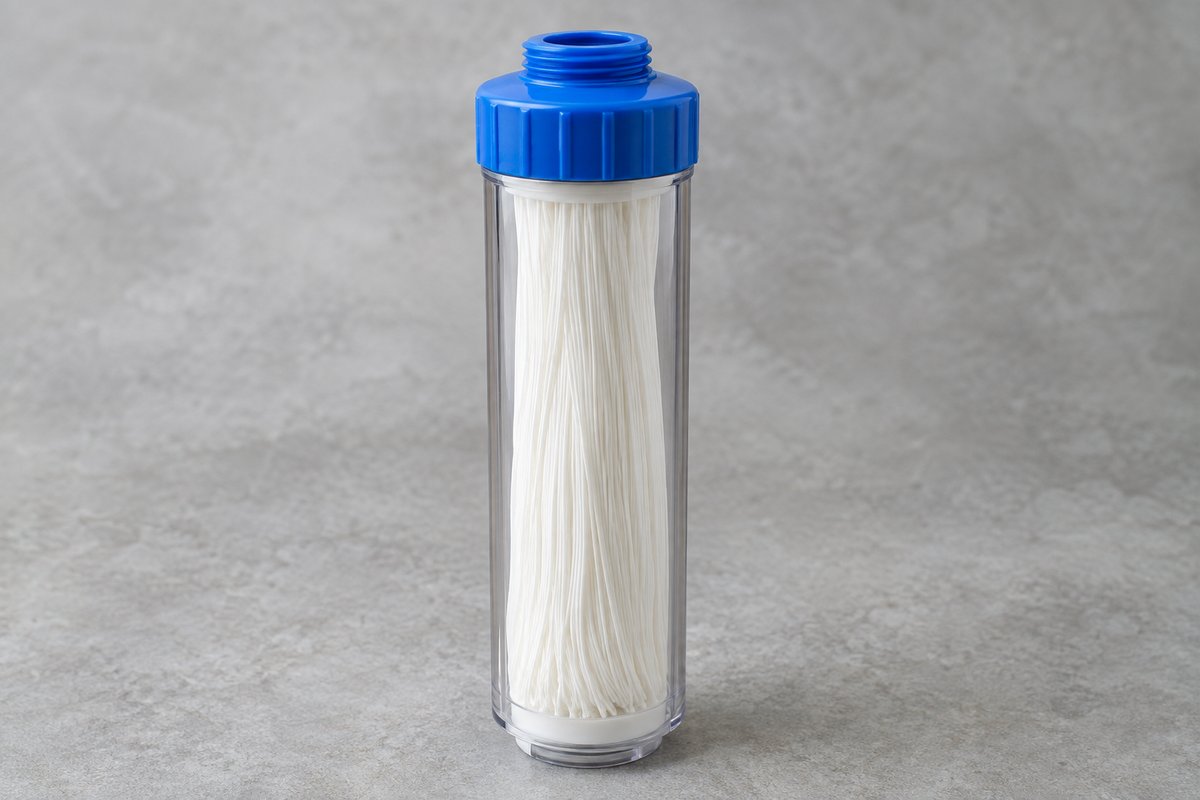
A UF membrane is not a flat sheet; it is a bundle of hollow polymer fibers, each wall perforated with pores in the 0.01 to 0.1 micron range. Water is forced through the fiber wall under modest pressure, and anything larger than the pore is retained on the outside. Bacteria such as E. coli and Salmonella, along with protozoan cysts like Cryptosporidium and Giardia, are physically too large to pass. Dissolved minerals, being far smaller than the pores, flow through, which is why UF leaves calcium and magnesium in the water instead of stripping them out the way RO does.
That mineral retention is both a feature and a boundary condition. It means UF is the right tool for biologically suspect water that is already low in total dissolved solids, municipal supply, borewell water, rainwater. It is the wrong tool for brackish or high-TDS water where the customer actually wants the salt removed. A sourcing decision that does not pin down the target water chemistry first will produce returns. The comparison between the two membrane types is covered in more detail in the RO vs UF membrane comparison.
The Specification That Decides Reliability
The headline number on every UF cartridge is the micron rating, and 0.01 micron is the figure that matters for microbial safety. Below it sit three specifications that separate a durable unit from a cheap one, and none of them appear in the marketing copy.
| Specification | What to check | Why it fails when cut |
|---|---|---|
| Membrane pore rating | 0.01 micron nominal, fiber material disclosed | Larger pores pass bacteria and cysts |
| Housing pressure rating | Rated for the local line pressure plus surge | Split housings under water hammer |
| Fiber grade | Food-grade polymer, batch certificate available | Regrind or off-spec resin shortens life |
| Replacement interval | Stated flow and turbidity window, not just months | Premature clogging drives support cost |
A common failure mode in low-cost UF is the housing, not the membrane. The fiber bundle may be genuine, but the cartridge shell is rated for a lab bench, not for the pressure spikes of a poorly regulated rural line. Water hammer, a sharp pressure surge when a valve closes, can split an under-specified shell. Buyers should ask for the housing pressure rating in the same breath as the micron rating.
Where Demand Is Concentrating in 2026
Demand for no-power filtration tracks water stress and grid access more than GDP. South and Southeast Asia, where household purification penetration is climbing fast and municipal supply is often intermittent, are the core pull. Sub-Saharan Africa and parts of Latin America show the same pattern: ultrafiltration and microfiltration hold a natural advantage in low-pressure, low-cost deployment, which is why these categories are growing faster than RO in several emerging markets. For a distributor, the question is less about which country than about which water problem the unit is being asked to solve.
That framing matters because a UF unit that wins in one region fails in another. A borewell in a limestone area may carry high TDS that UF cannot touch; a surface-fed municipal line in the same country may be perfectly suited. The buyer who segments by water chemistry rather than by country builds a catalog that holds up. The broader regional demand picture is laid out in the Asia Pacific market analysis.
Sourcing No-Power UF Systems Without Getting Burned
The first rule is to separate the membrane from the marketing. A genuine 0.01 micron hollow fiber membrane has a stated fiber material, a pressure rating, and a batch certificate. A vendor that cannot produce the fiber-grade documentation is almost always importing an off-spec bundle. ONEMI manufactures its ultrafiltration line on food-grade hollow fiber with the batch documentation supplied per order, which is the baseline a serious buyer should expect from any supplier, not a premium ask.
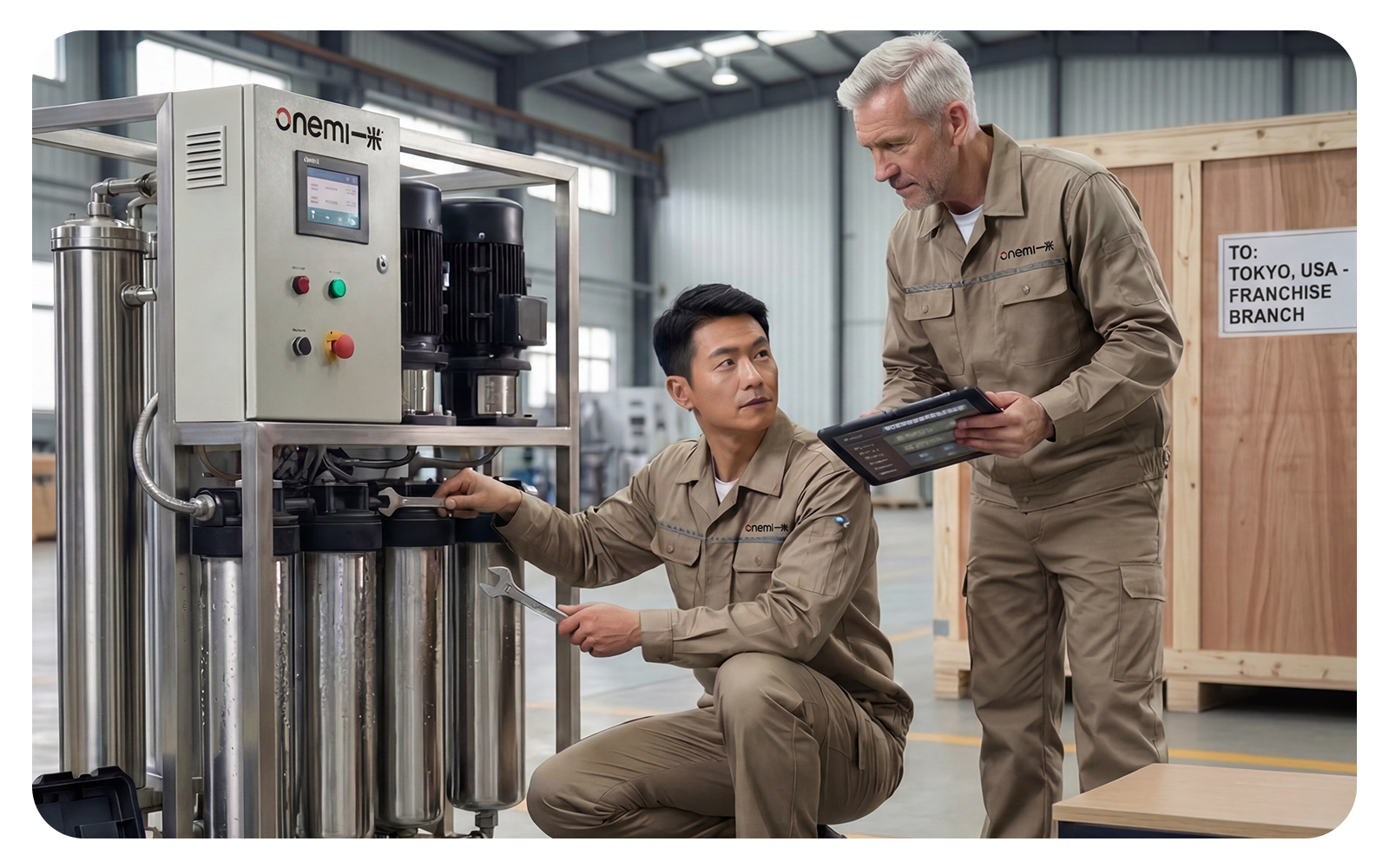
The second rule is to test against the target water, not against a lab sample. A cartridge that performs on clean municipal water may clog in weeks on turbid river water. Serious factories ship samples for the buyer to run against their own source water before committing to container volume. The OEM/ODM factory page details how ONEMI structures that sampling step.
The third rule is to price the consumable, not the box. UF cartridges are a recurring line item, and the distributor margin lives in the replacement cycle. A unit sold with an honest 18 to 24 month membrane life and a clearly priced cartridge keeps revenue flowing; a unit whose membrane dies in six months and whose cartridge is a mystery destroys the channel. The economics of the consumable are covered in the manufacturer sourcing guide.
What to Verify Before You Commit
Four checks separate a disciplined import from a warehouse full of returns. First, request the fiber material and the nominal pore rating in writing, on the supplier’s letterhead, not on a catalog image. Second, confirm the housing pressure rating against the worst-case line pressure in the target market, not the average. Third, run a turbidity and flow test on the buyer’s actual source water during the sampling phase. Fourth, lock the cartridge dimensions and connection type so the replacement stream is not held hostage to a proprietary fit.
The no-electricity UF segment is not a premium novelty; it is the workhorse category for the largest part of the global market, the part where power is scarce and water quality is the thing the buyer is actually trying to fix. Sourcing it well comes down to knowing which water problem the unit solves and holding the supplier to the specification that solves it. ONEMI’s ultrafiltration product line lists the standard configurations, and the certification scope sits on the certifications page.