
 한국어
한국어

Executive Summary
- Global microplastics deep-filtration market hit $24.7 billion in 2025, with Asia-Pacific growing at 17.4% CAGR—faster than any other region
- Reverse osmosis remains the only commercially proven technology for ≥99% microplastics removal; NSF/ANSI 401 certification is becoming the non-negotiable procurement requirement in 43 countries
- Chinese-manufactured RO membrane components now hold 21.7% global share, with cost advantages of 25-35% over US and European equivalents—without sacrificing certified performance
In 2025, 43 countries wrote microplastics emission limits into national action plans. The EU amended its Drinking Water Directive to classify microplastics as a mandatory monitoring parameter, requiring ≥99.9% removal. China’s updated drinking water standard added microplastics as a reference indicator. The regulatory machinery has moved faster than most importers realize—and the supply side is scrambling to keep up.
GEP Research pegged the global microplastics deep-filtration systems market at $24.7 billion in 2025, roughly 1.8× what it was in 2020. The demand stack is simple: drinking water safety accounts for 38% of end-use, wastewater treatment plant upgrades another 24%, and food and beverage process water the rest. If you are importing water filtration equipment into North America, Europe, or Southeast Asia in 2026, microplastics compliance is no longer a differentiator—it is table stakes.
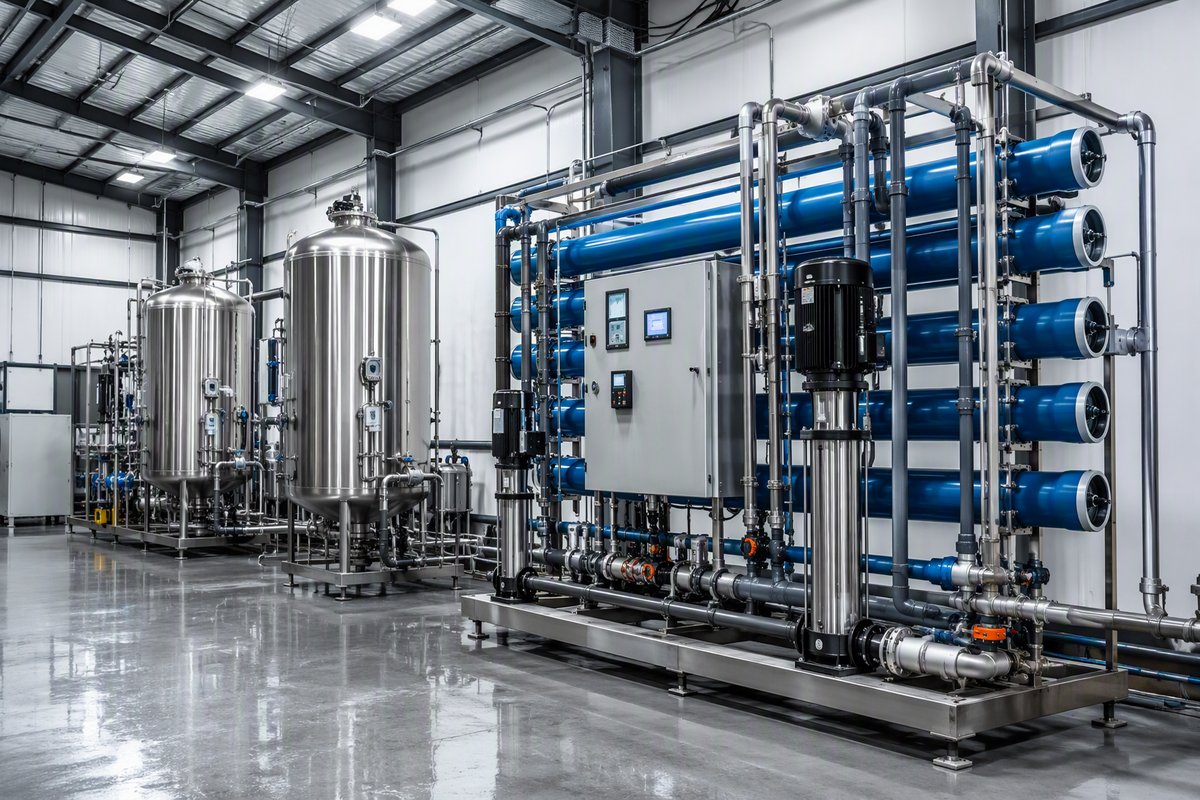
The Three Regulatory Catalysts That Changed the Math
Any importer evaluating product lines for 2026-2028 needs to understand three regulatory shifts that have fundamentally restructured demand:
1. EU Drinking Water Directive (recast, 2025). The amended directive added microplastics as a mandatory monitoring parameter and set the removal threshold at ≥99.9% for water utilities serving populations over 10,000. The compliance deadline for existing facilities is 2028, but new installations must meet the standard immediately. For importers supplying the European market, this means every RO system sold into municipal or commercial applications must now carry documented microplastics removal performance data—preferably via NSF/ANSI 401 or equivalent third-party certification.
2. UNEP Microplastics Resolution (2024). Passed with near-unanimous support, this resolution has triggered national legislation in 43 countries as of June 2026. The common thread: mandatory microplastics monitoring at wastewater treatment plant outfalls, with phased implementation between 2026 and 2030. Each country’s implementation timeline creates a window for equipment importers—the earlier a market regulates, the faster the procurement cycle accelerates.
3. China’s National Drinking Water Standard update (2025). While microplastics remain a reference indicator rather than a mandatory parameter in China, the inclusion itself triggered a 34.2% year-over-year increase in municipal water plant deep-treatment investment. Chinese manufacturers who have already tooled up for domestic demand are now in position to export microplastics-rated RO systems at scale.
The practical consequence for importers: the total addressable market for certified microplastics filtration equipment will conservatively double between 2025 and 2028. Supply capacity has not kept pace—the top five global manufacturers control 53.4% of output, and lead times for certified RO membrane elements stretched to 14-18 weeks in Q2 2026.
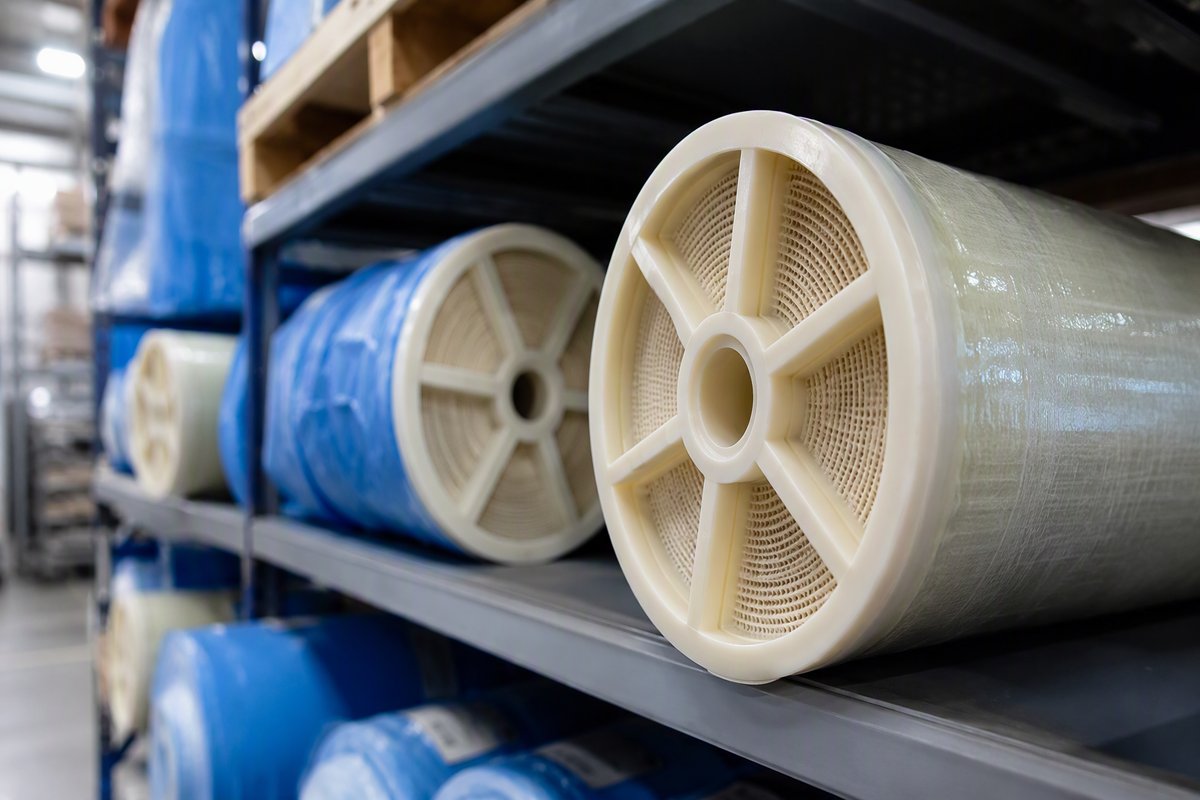
Why RO Beats Everything Else for Microplastics—and Why NSF 401 Matters
Four filtration technologies are marketed for microplastics removal. Only one delivers the certified performance that regulators and commercial buyers now demand.
| Technology | Microplastics Removal | Nanoplastics (<1µm) | NSF 401 Certified | Typical System Cost (Commercial) |
|---|---|---|---|---|
| Activated Carbon Block | 60-80% | Unreliable | Select models only | $50-200 |
| Ultrafiltration (UF) | 85-95% | Poor (<50%) | Rare | $200-800 |
| Nanofiltration (NF) | 90-98% | ~80% | Limited | $500-1,500 |
| Reverse Osmosis (RO) | 99%+ | 99%+ | Widely available | $150-800 (residential) / $2,000-15,000 (commercial) |
The physics is straightforward. RO membranes have surface pores in the 0.5-10 nanometer range. The smallest microplastics detected in drinking water are approximately 100 nanometers—at least 10× larger than RO pore size. Add the electrostatic repulsion from charged polyamide membrane surfaces, and the theoretical removal rate exceeds 99.9%. Real-world data from a 2026 field study across three municipal RO installations showed actual removal rates between 95.2% and 99.2% for single-stage systems, and ≥99.2% for dual-stage configurations.
NSF/ANSI 401 certification is becoming the procurement gatekeeper. Originally designed for emerging compounds and incidental contaminants, the standard was updated to include microplastics removal claims. NSF/ANSI 58 governs RO system performance more broadly, but a product carrying both 58 and 401 certifications covers the full compliance checklist. For importers, specifying dual-certified RO elements eliminates the need for in-country re-testing in most regulated markets.
A note on maintenance: the single biggest variable in microplastics removal performance is not the membrane itself—it is pre-treatment quality. A 2026 case study of a municipal RO plant running with SDI (Silt Density Index) of 6 instead of the recommended ≤5 showed microplastics removal dropping from 98% to 83.9%. When the same plant replaced pre-filtration cartridges and brought SDI back under 5, removal recovered to 97.5%. For importers selling complete systems rather than bare membranes, including proper pre-filtration in the package is not optional—it is the difference between a certification that looks good on paper and one that holds up in the field.
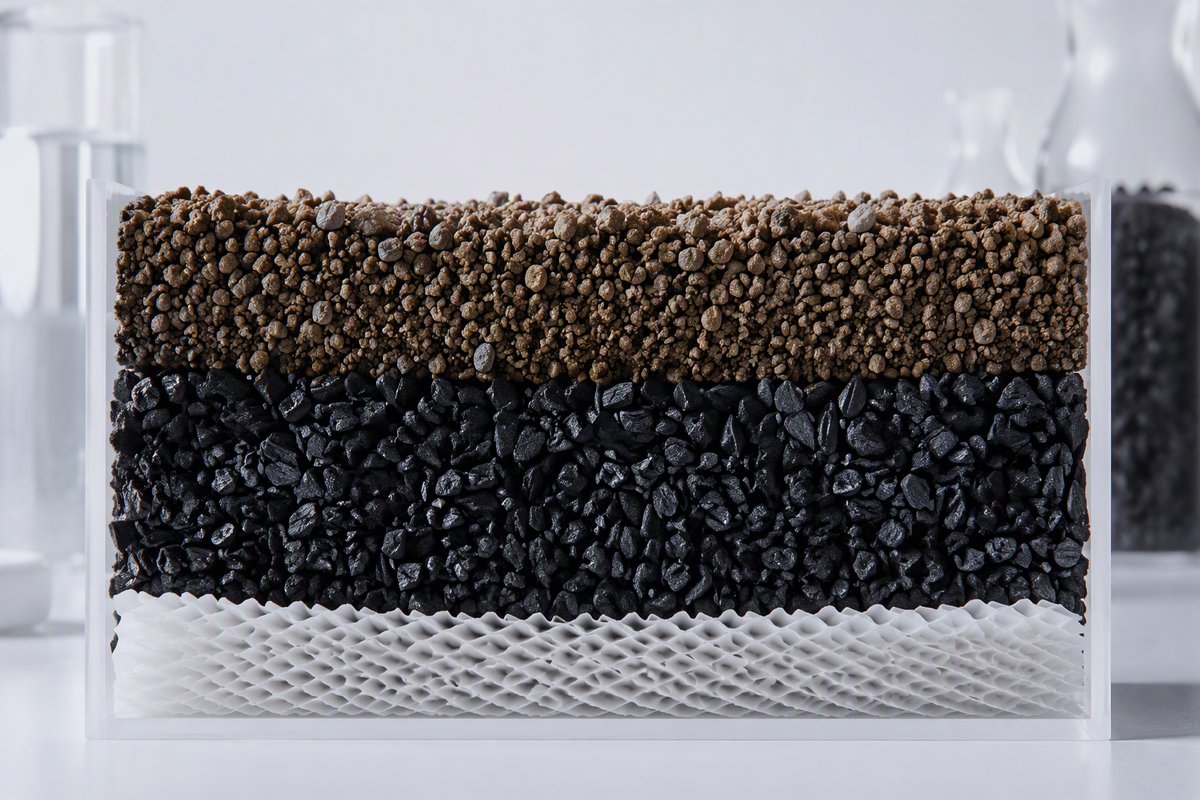
China’s Manufacturing Position: 21.7% Global Share and Growing
In Q1 2026, Chinese manufacturers held 21.7% of the global microplastics filtration equipment market, up from 12.3% in 2020. This is not a story about low-cost, low-quality substitution. The driver is membrane manufacturing capability—specifically, modified PVDF (polyvinylidene fluoride) hollow-fiber membranes and ceramic composite membranes, where Chinese production capacity has scaled to 8 million square meters annually with costs 25-35% below US and European equivalents.
The patent data tells the same story. Global microplastics filtration-related patents reached 2,130 in 2025, a 15.6% increase year-over-year. Chinese applicants accounted for 38% of filings, compared to 21% from the US and 15% from Germany. The concentration of R&D is in two areas: membrane anti-fouling coatings that extend service life, and energy-recovery systems that reduce operating costs. The average system investment payback period has shortened from 5.2 years to 3.8 years as a result.
For importers, the practical question is not “should I source from China” but “how do I qualify a supplier.” Three filters separate serious manufacturers from trading companies:
- In-house membrane production. If a supplier purchases finished membrane elements from a third party and assembles systems, you are paying a margin you do not need to pay. Ask to see the membrane casting line during a factory visit.
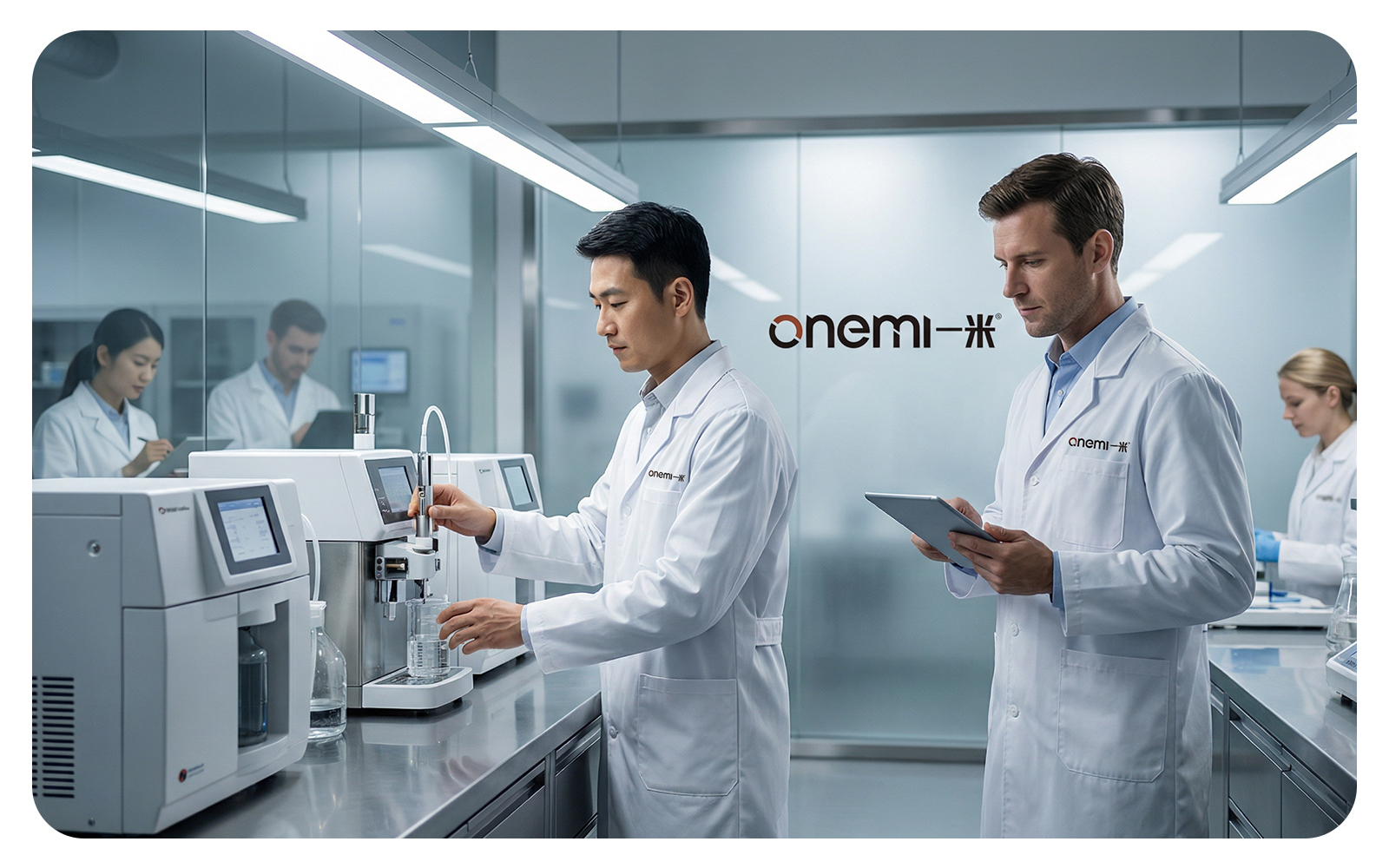
- Third-party certification maintenance. NSF 58 and 401 certifications require annual factory audits. A manufacturer who has held certification continuously for 3+ years has demonstrated process consistency. Ask for the certification number and verify it on the NSF public database.
- Pre-treatment integration capability. A supplier who ships RO membranes without pre-filtration is transferring risk to you. The supplier should be able to provide a complete system with sediment filtration, activated carbon pre-treatment, and RO membrane in a single SKU—tested as a system, not as individual components.
ONEMI RO Systems: Built for the Microplastics Compliance Era
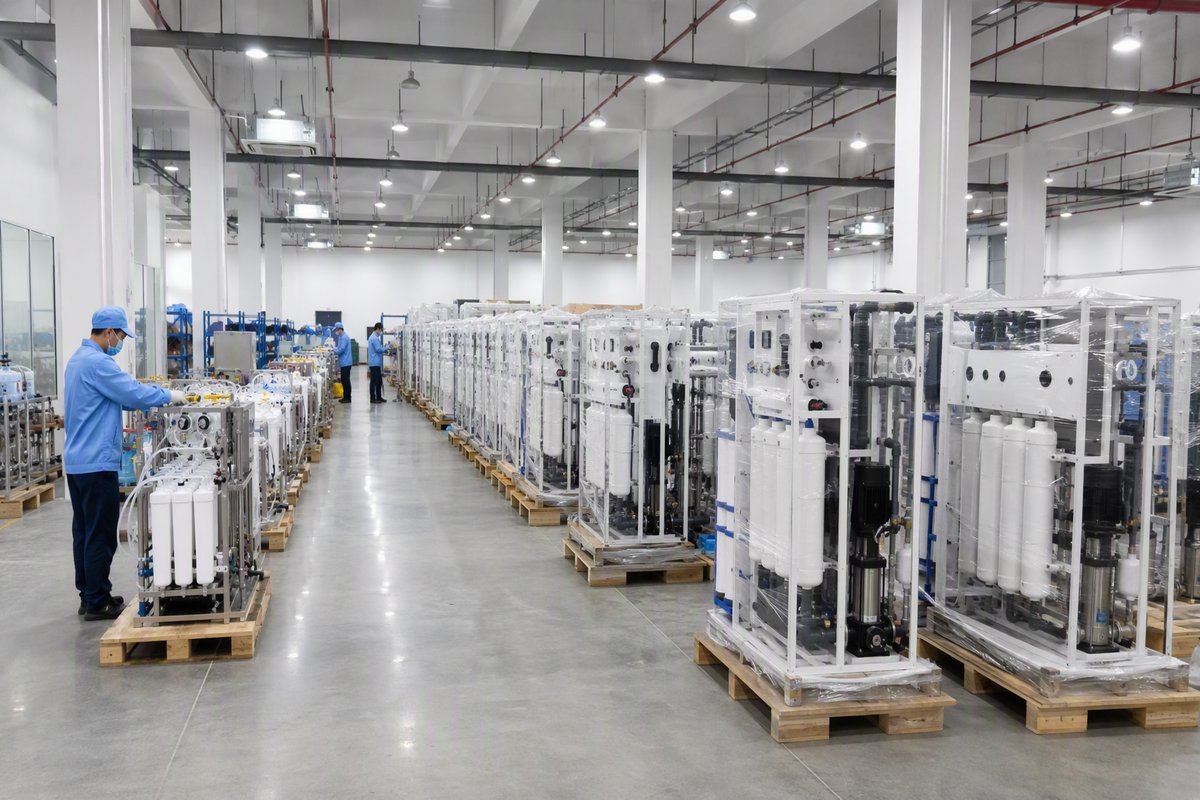
ONEMI, a Guangdong-based water purification equipment manufacturer, approaches microplastics filtration from the supply-chain side. The company operates a 12,000-square-meter production facility in Dongguan with in-house RO membrane element fabrication, not outsourced assembly. This vertical integration matters for two reasons: quality control on the single most critical component, and the ability to customize membrane specifications for different regional water chemistries without going through a third-party membrane supplier.
For importers building a microplastics-compliant product line, three ONEMI configurations cover the addressable market:
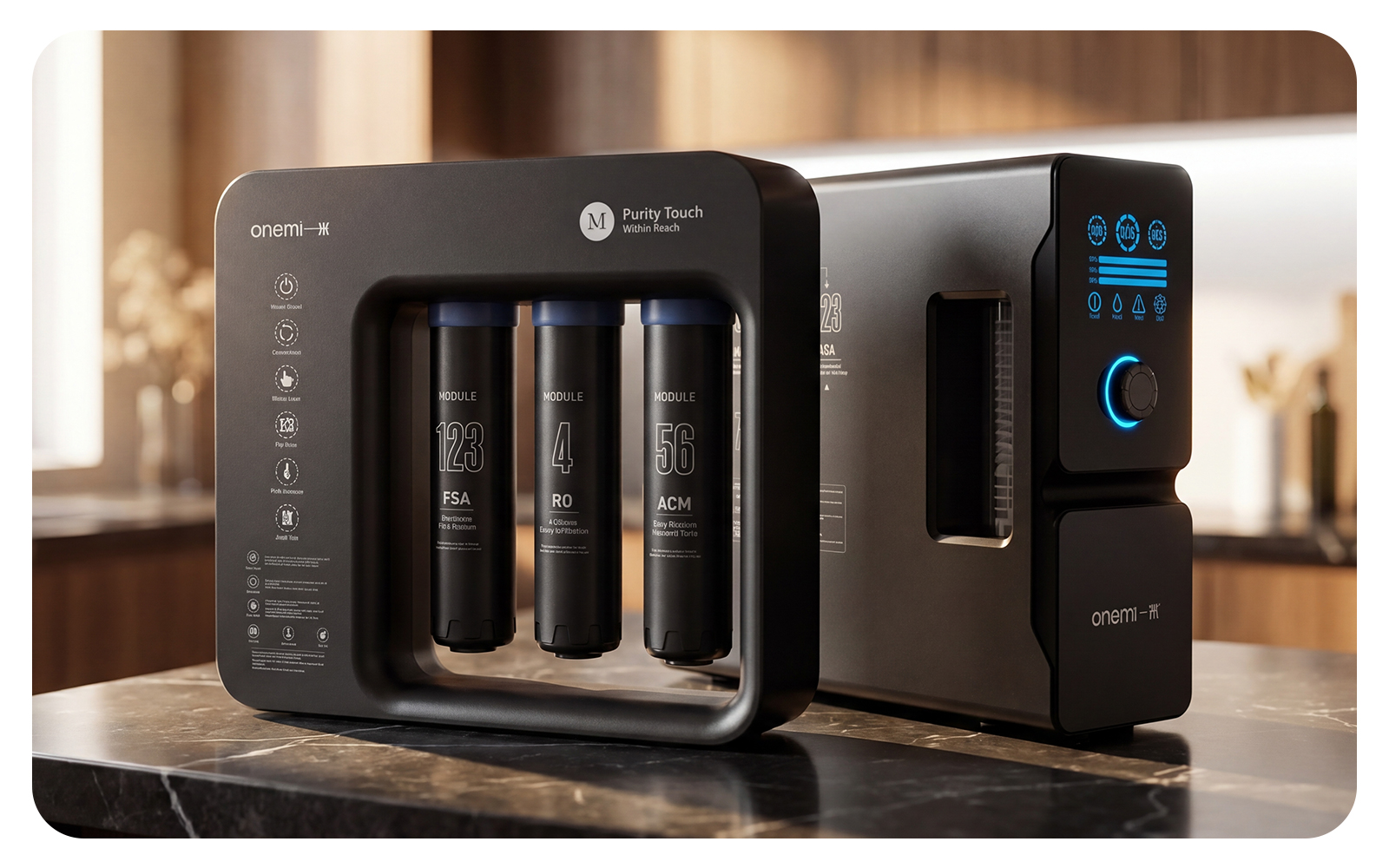
ONEMI RO-400G Smart Water Purifier is the residential entry point. 400 GPD capacity, 4-stage filtration (PP sediment + activated carbon + RO membrane + post-carbon), delivering ≥99% microplastics removal at a flow rate of 1.0 L/min. The compact chassis—420mm height—fits standard under-sink cabinets across US, EU, and Southeast Asian kitchen dimensions. NSF/ANSI 58 certified RO membrane elements, with NSF 401 certification pathway available for qualified importers. View ONEMI RO-400G specifications.
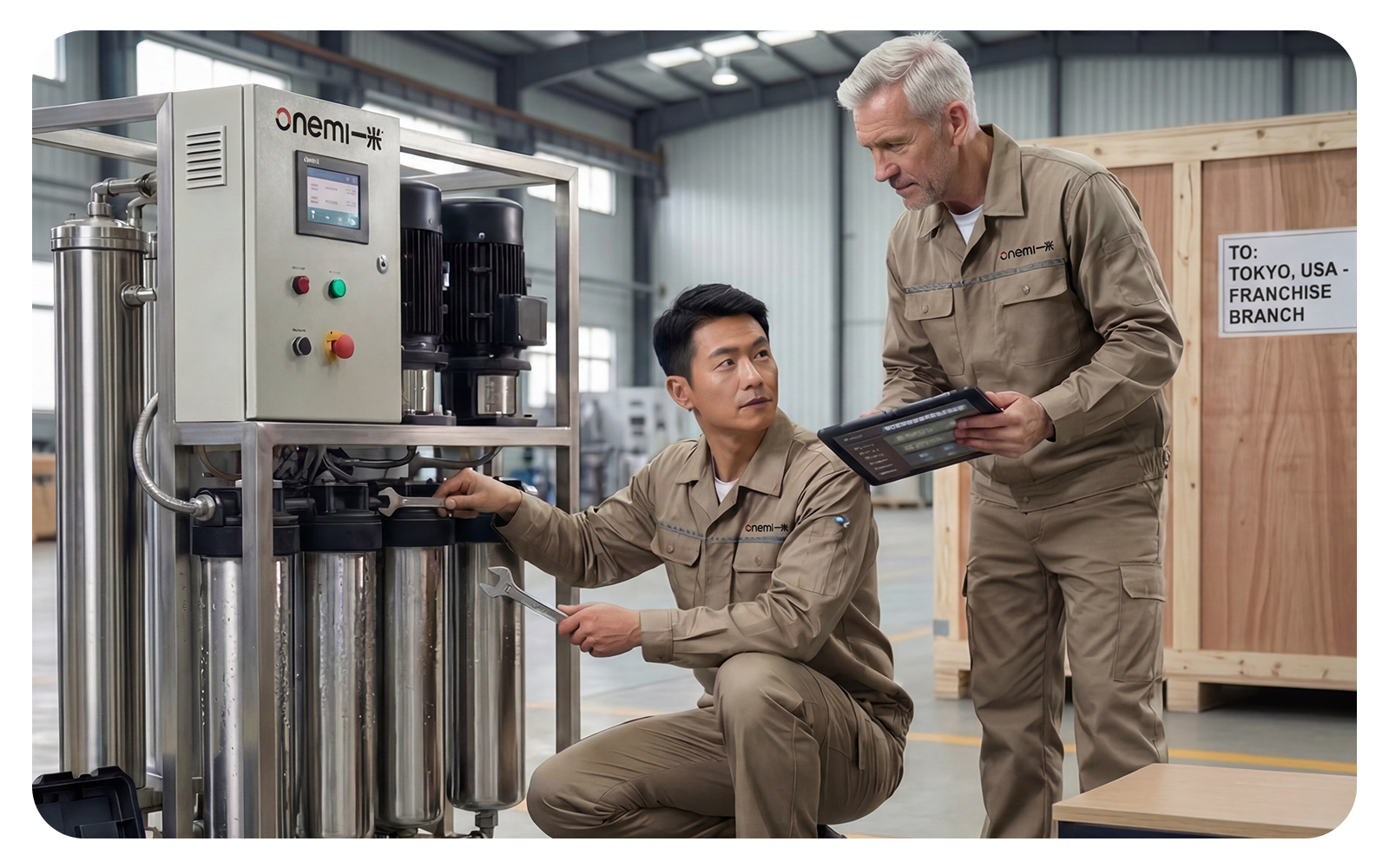
For commercial and light industrial applications, ONEMI’s OEM manufacturing program supports custom configurations up to 2,000 GPD with dual-stage RO for the ≥99.9% removal threshold that EU regulations demand. Custom branding, packaging, and certification support are included in standard OEM agreements. MOQ starts at 50 units for branded orders, with typical lead times of 25-35 days from order confirmation.
All ONEMI RO systems carry CE, FCC, and RoHS certifications for the complete unit. RO membrane elements are NSF/ANSI 58 certified. The company also holds a US utility patent for its universal filter cartridge structure—a design that simplifies maintenance and reduces after-sales support burden for distributors. Review ONEMI’s full certification portfolio.
What Importers Should Do Before Q4 2026
The regulatory timeline is not speculative. The EU compliance deadline for existing facilities is 2028, but procurement cycles for municipal and commercial water treatment equipment run 12-18 months from specification to installation. That means RFQs for microplastics-compliant RO systems will peak between Q3 2026 and Q2 2027. Importers who have qualified suppliers and certified product lines in place before that window will capture margin; those who scramble during it will pay spot pricing.
Three concrete steps:
- Audit your current product line for NSF 401 coverage. If your residential and commercial RO SKUs do not carry microplastics removal certification, add it now. The cost of retroactive certification is higher than building it into new product development.
- Visit your supplier’s membrane production line. Not the assembly floor—the membrane casting line. If your supplier does not have one, start qualifying a second source that does.
- Pre-book capacity for Q1-Q2 2027 delivery. RO membrane manufacturing capacity is the bottleneck. The top five producers are running at 85-90% utilization. Lead times will not get shorter.
The microplastics filtration market is not a trend play. It is a regulatory compliance market with a clear, multi-year demand trajectory and a supply side that is structurally constrained. The importers who act on that imbalance now will be writing purchase orders while their competitors are still reading market reports.