

 한국어
한국어

Executive Summary
\n
- \n
- Global regulatory frameworks are tightening, with the EU Drinking Water Directive making microplastics a mandatory monitoring parameter.
- Reverse Osmosis (RO) systems with 0.0001um membranes remain the gold standard, achieving 99%+ removal of both microplastics and nanoplastics.
- Ultrafiltration (UF) technology offers a highly efficient, non-electric alternative for specific market segments seeking low-maintenance solutions.
\n
\n
\n
\n
\n\n
The global water treatment technology market is projected to reach $812 billion in 2026, with membrane technology commanding a dominant 42% share. Within this massive expansion, the specific segment addressing microplastics and pharmaceutical residues is carving out a high-growth niche valued at $1.2 billion. For B2B procurement managers, water purification distributors, and appliance importers, this shift represents a fundamental transformation in consumer demand. Buyers are no longer just looking for basic chlorine reduction; they are demanding certified protection against microscopic synthetic polymers that bypass standard municipal treatment facilities.
\n\n
According to the GEP Research 2026 report, the global microplastics deep filtration market reached $24.7 billion in 2025, driven by a compound annual growth rate (CAGR) of 17.4% in the Asia-Pacific region. This surge is not merely consumer-driven; it is heavily reinforced by legislative mandates. For instance, the United States Environmental Protection Agency (EPA) launched a new contaminant framework for public water systems in 2026 to address emerging chemical and particulate threats. For global distributors, staying ahead of this curve requires a deep technical understanding of how different filtration media perform under pressure.
\n\n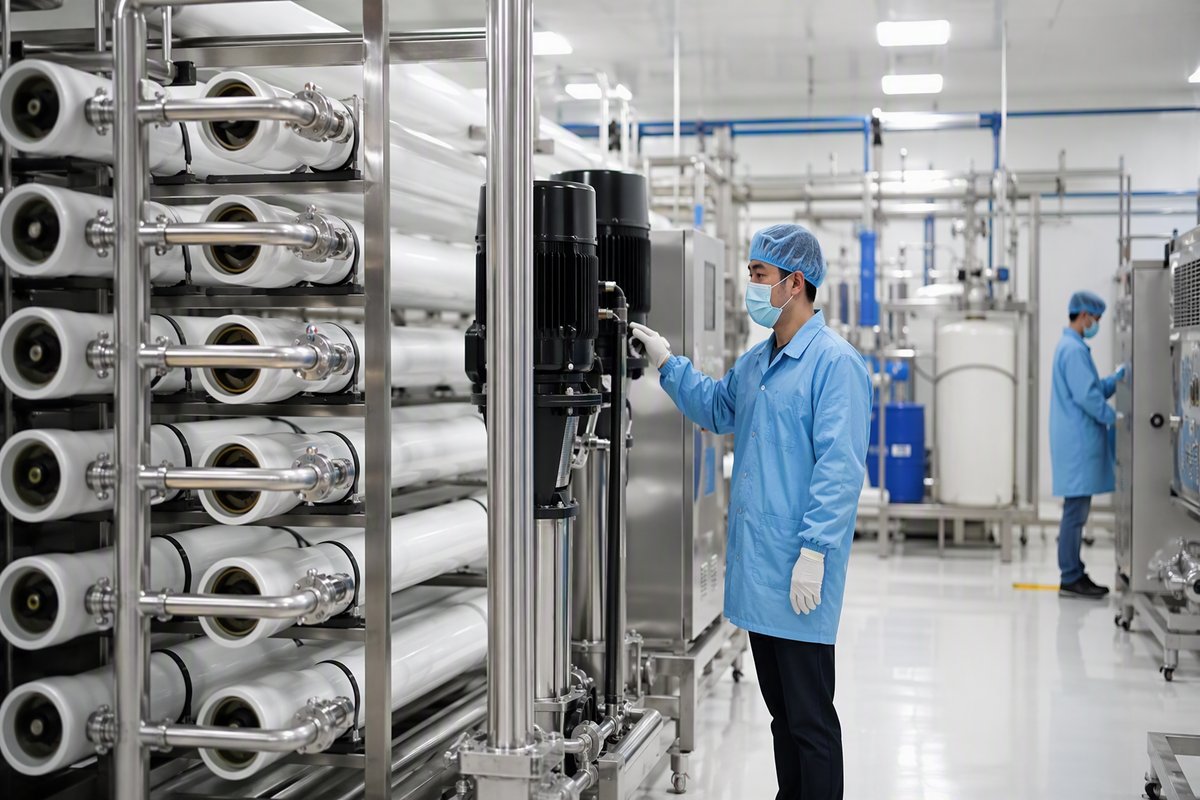 \n\n
\n\n
The Tightening Regulatory Landscape
\n\n
Importing water treatment equipment requires strict adherence to regional compliance standards, which are currently undergoing their most significant overhaul in a generation. The European Union’s revised Drinking Water Directive, which takes full effect in 2026, officially designates microplastics as a “mandatory monitoring parameter.” This legislative shift forces member states to upgrade both municipal and point-of-use (POU) filtration infrastructures. Globally, 43 countries have now integrated microplastics limits into their national environmental action plans, following the United Nations Environment Programme (UNEP) 2024 resolution targeting the accelerating downstream effects of plastic pollution.
\n\n
For B2B buyers looking to secure long-term market share, sourcing products that align with these international standards is critical. When evaluating a potential china water purifier manufacturer oem, verifying third-party testing credentials should be the first step in your technical due diligence. The definitive benchmark for this specific contaminant class is the NSF/ANSI 401 certification, which specifically evaluates water treatment systems for the reduction of emerging compounds and incidental contaminants, including microplastics down to 0.5 microns.
\n\n
Technical Comparison of Filtration Technologies
\n\n
To design a balanced product portfolio, distributors must weigh the filtration efficiency of different membrane technologies against their operational costs and energy requirements. The table below outlines the performance metrics of the three primary point-of-use filtration methods used to target microplastics.
\n\n
| Technology | Typical Pore Size | Microplastics Removal Rate | Key Certifications | Best For |
|---|---|---|---|---|
| Reverse Osmosis (RO) | ~0.0001 μm | >99% (inc. nanoplastics) | NSF/ANSI 58, NSF/ANSI 401 | Complete purification, heavy metal removal |
| Ultrafiltration (UF) | 0.01 to 0.1 μm | 95% to 98% | NSF/ANSI 42, NSF/ANSI 53 | Mineral retention, eco-friendly markets |
| Carbon Block (CTO) | 0.5 to 10 μm | 85% to 90% | NSF/ANSI 42 | Taste improvement, pre-filtration stages |
\n\n
The Gold Standard: Reverse Osmosis Systems
\n\n
Reverse Osmosis technology remains the most reliable defense against microscopic plastics. Because RO membranes feature an ultra-dense pore structure of approximately 0.0001 microns, they act as a physical barrier that easily blocks even the smallest nanoplastics, which can range from 1 to 100 nanometers in size. For high-end residential and commercial applications, offering an RO system is essential for matching the stringent purification expectations of modern consumers.
\n\n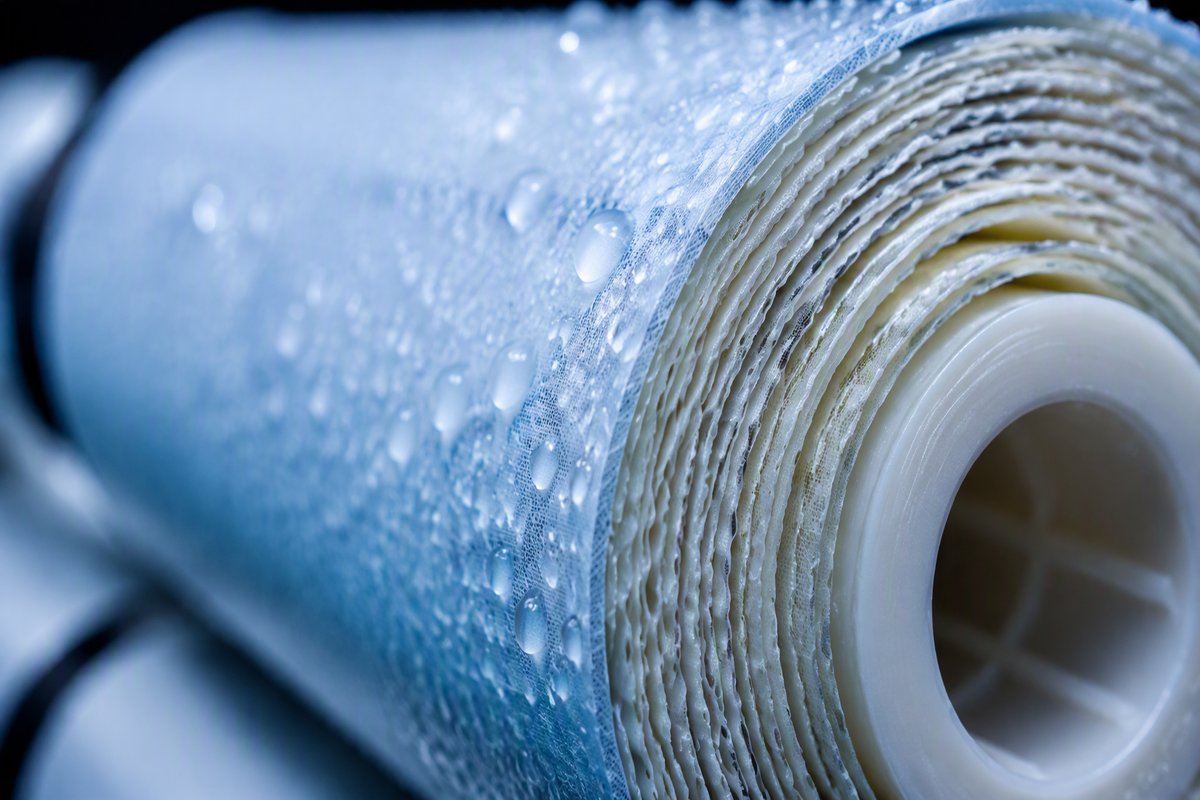 \n\n
\n\n
When sourcing these advanced systems, procurement managers must look closely at the structural integrity of the build. High-pressure systems require premium water filter accessories and robust RO system fittings to prevent micro-leaks and pressure drops over extended use cycles. Utilizing reliable quick connect fittings wholesale channels ensures that your assembly lines or field installation teams are working with components that can withstand constant hydraulic stress without failure. To explore the differences in system architectures and operating costs, you can read our detailed analysis on the bottled water vs RO filter 5-year cost comparison for importers.
\n\n
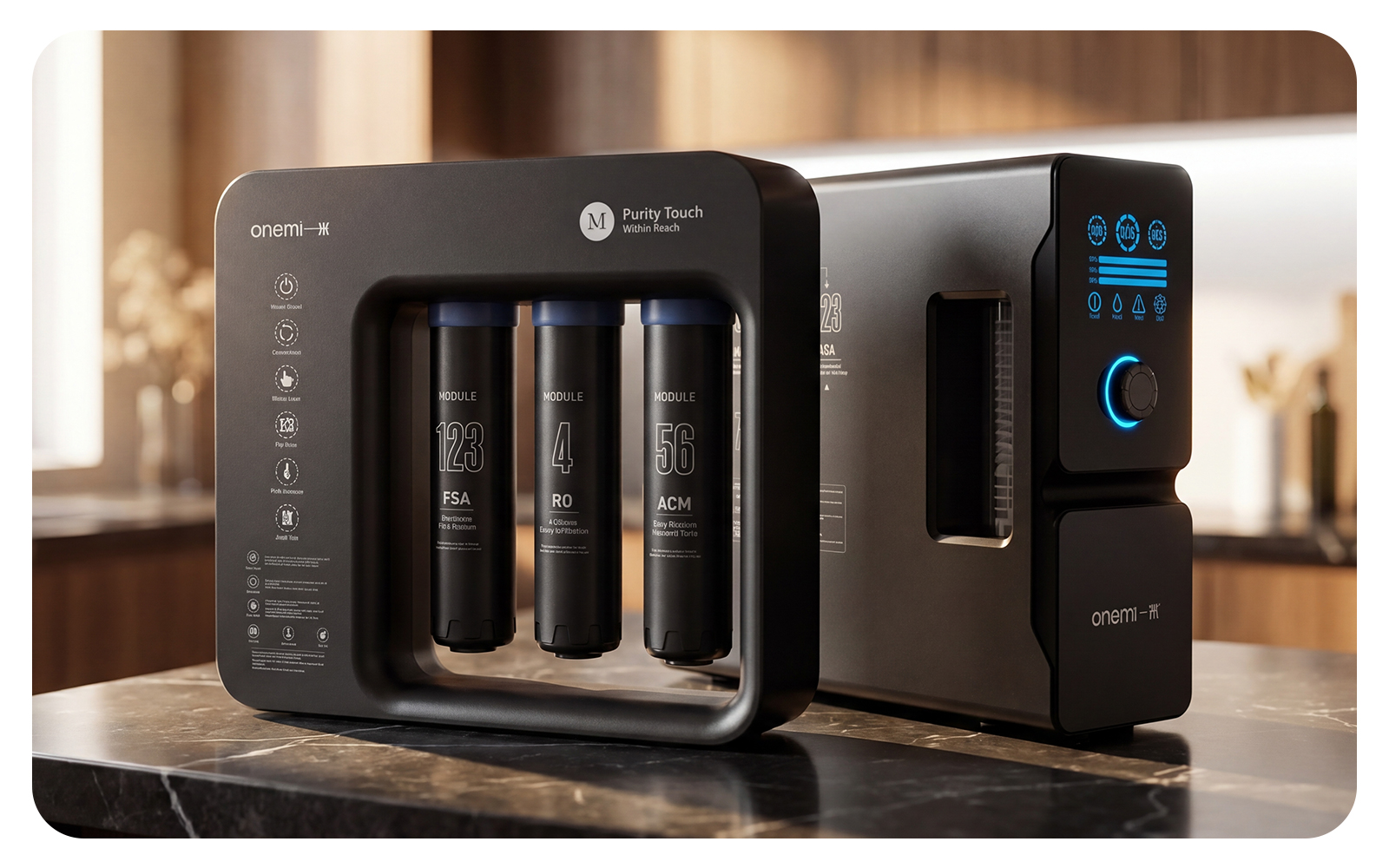
ONEMI, a Guangdong-based water purification equipment manufacturer, designs residential RO systems utilizing 0.0001um precision membranes. To streamline international distribution, ONEMI offers comprehensive OEM/ODM services backed by CE, UL, FCC, and ROHS certifications, with all primary RO filter cartridges built to meet strict NSF performance standards.
\n\n
The Non-Electric Alternative: Ultrafiltration Systems
\n\n
While RO systems offer unparalleled filtration depth, there is a rapidly growing market segment demanding eco-friendly, low-maintenance options that do not require electrical connections or produce wastewater. This is where the ultrafiltration water system OEM model becomes highly profitable for regional brands. An ultrafiltration system utilizes a hollow fiber UF filter to physically strain suspended solids, microplastics, and pathogens from municipal water lines while leaving healthy minerals intact.
\n\n
Recent membrane technology breakthroughs have significantly improved the economic viability of these systems. The integration of modified PVDF hollow fiber and ceramic composite membranes has allowed manufacturers to achieve stable sub-micron rejection rates. Concurrently, membrane flux recovery has improved by 22% to 28%, which has effectively shortened the commercial investment payback period from 5.2 years down to 3.8 years. This makes the modern UF water purifier a highly competitive option for commercial offices and budget-conscious households alike.
\n\n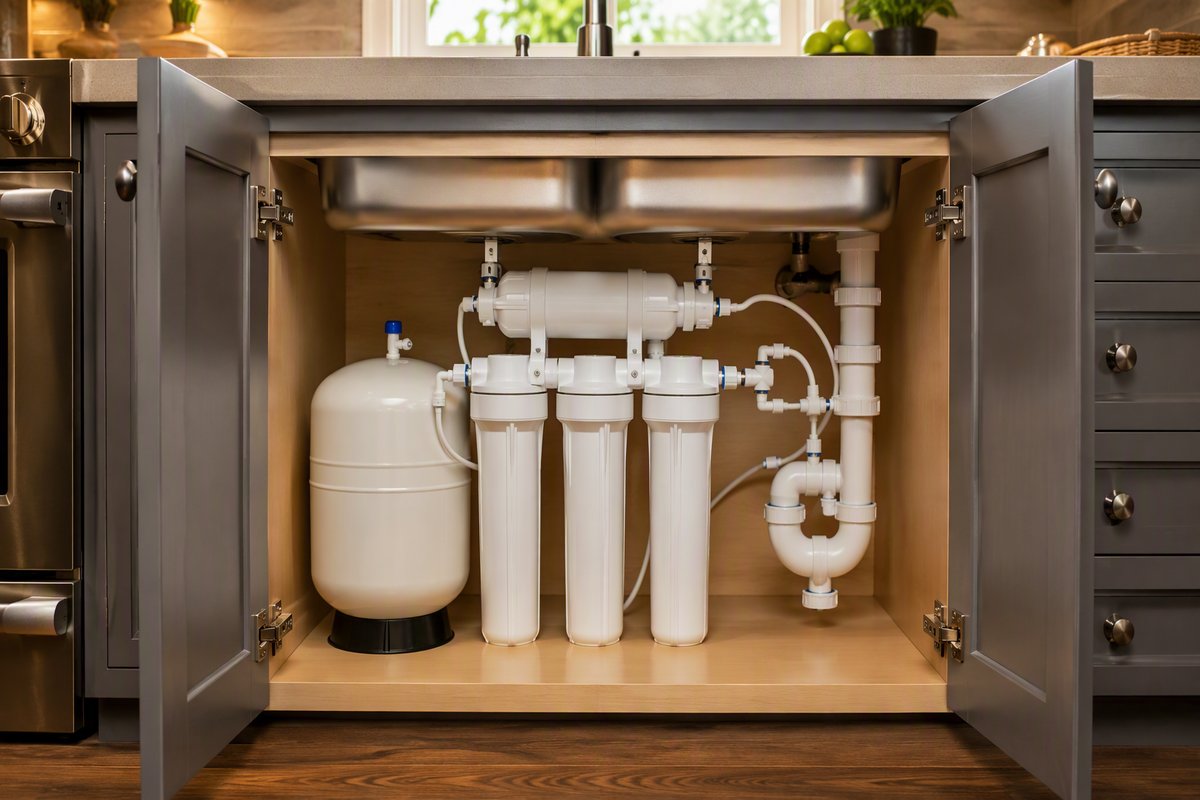 \n\n
\n\n
For markets with unstable power grids or highly eco-conscious consumer bases, importing a non-electric water filter line is an excellent way to diversify your catalog. Working with an experienced no electricity water filter manufacturer allows you to offer high-flow, zero-waste systems that install easily under the sink. These systems rely entirely on incoming municipal water pressure, utilizing a specialized water filter faucet supplier network to deliver clean, microplastic-free water directly to the consumer without the need for booster pumps or complex electrical wiring.
\n\n
Strategic Sourcing Decisions for Distributors
\n\n
Choosing between RO and UF product lines should not be an either-or decision for established importers. Instead, successful distributors structure their portfolios to target different water quality profiles and consumer price points. RO systems should be positioned as premium, medical-grade solutions for areas with high total dissolved solids (TDS) and heavy industrial chemical runoff. Conversely, UF systems should be marketed as fast-flowing, sustainable, and cost-effective solutions for municipal zones where microplastics and chlorine are the primary concerns.
\n\n
To maximize your return on investment, ensure your manufacturing partner can provide customized packaging, custom-branded filter housings, and localized certification support. By establishing a robust supply chain that leverages certified filtration technologies, B2B importers can confidently address the global regulatory crackdown on microplastics while providing clean, safe drinking water to their target markets.