

 한국어
한국어

Let’s be honest about the water coming out of your kitchen tap. You turn the handle, it looks clear, and you drink it without thinking twice. But if you actually look at the municipal water reports across most modern cities, you’ll find a pretty frustrating reality. We are drinking water that is structurally dead, highly acidic, and stripped of the very minerals our bodies need to function. It is a slow, silent drain on our daily energy levels.
Executive Summary
- Standard municipal tap water often falls into an acidic pH range of 5.8 to 6.5 due to chemical treatment processes, stripping away essential minerals.
- True alkaline ionization isn’t just about raising pH; it requires precise mineral infusion of Calcium, Magnesium, and Potassium to achieve a stable 8.5 to 9.5 pH level.
- Upgrading to certified multi-stage alkaline filtration systems provides immediate cellular hydration benefits while eliminating the environmental waste of bottled mineral water.
Most people think water is just H2O. It isn’t.
When water travels through municipal treatment plants, it gets hit with chlorine, chloramine, and fluoride to kill off bacteria. While that keeps you from getting immediate waterborne illnesses, it leaves the water highly acidic, often dropping the pH down to a harsh 6.0 or even 5.5. When you drink acidic water day in and day out, your body has to work overtime. It actually robs your bones and teeth of calcium and magnesium just to neutralize that acid load in your bloodstream. It is a terrible trade-off that most of us don’t even realize we are making.
The Real Chemistry of Alkaline Ionized Water
To understand why alkaline water actually matters, we have to look at the chemistry without getting bogged down in high school science class jargon. Alkaline water has a pH level higher than 7.0. But simply dumping baking soda into a glass of water to raise the pH doesn’t make it healthy alkaline water. That is a cheap shortcut that tastes terrible and doesn’t do anything for your cellular hydration.
True alkaline ionized water undergoes a structural change. It has a high concentration of hydroxyl ions (OH-) and dissolved hydrogen gas, which act as powerful antioxidants. When you run water through a high-quality alkaline filter, it doesn’t just block contaminants; it actively restructures the water molecules. It breaks down large, clunky clusters of water molecules into smaller, micro-clustered groups. These smaller clusters slip through your cell membranes much easier, hydrating you at a deep cellular level almost instantly.
Here is a quick look at how standard tap water compares to what comes out of a dedicated alkaline ionization system:
| Water Characteristic | Standard Tap Water | Alkaline Ionized Water |
|---|---|---|
| pH Range | 5.5 – 6.8 (Acidic to Neutral) | 8.5 – 9.5 (Optimal Alkaline) |
| Mineral Content | Stripped or highly depleted | Rich in Calcium, Magnesium, Potassium |
| ORP (Oxidation Reduction Potential) | +200mV to +400mV (Oxidizing) | -150mV to -400mV (Antioxidant) |
| Molecular Structure | Large clusters (12-15 molecules) | Micro-clustered (5-6 molecules) |
| Taste Profile | Flat, chemical, sometimes metallic | Silky, smooth, clean |
That ORP number in the table is the real secret. A positive ORP means the water is an oxidant—it contributes to cellular aging and inflammation. A negative ORP means the water is an antioxidant, helping to neutralize free radicals in your body. Most tap water is highly oxidizing, whereas alkaline ionized water is a powerful antioxidant force.
How Modern Alkaline Filters Actually Work
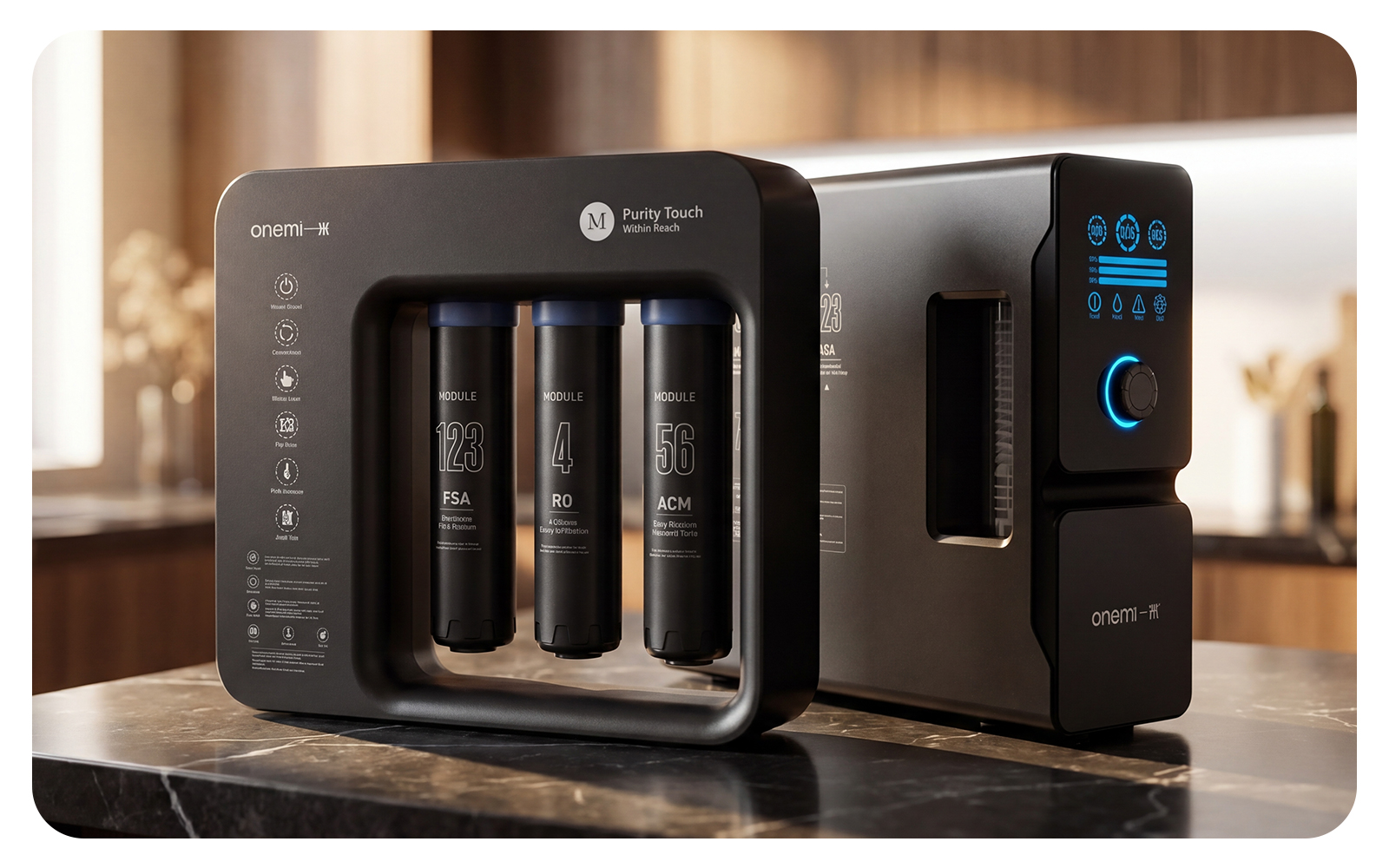
So, how do we get this water in our kitchens without buying thousands of plastic bottles? The process relies on a multi-stage filtration and remineralization process that mimics how nature cleans water. In the wild, water trickles down mountain streams, filtering through rocks and picking up alkaline minerals along the way. A kitchen alkaline filter simply condenses this miles-long journey into a few highly efficient inches.
First, the water passes through an active carbon block. This stage is crucial because it grabs all the chlorine, volatile organic compounds (VOCs), and nasty chemical tastes that municipal plants leave behind. Once the water is clean, it moves into the remineralization stage. Here, the water flows through a precise blend of bioceramic balls, calcium silicate, and magnesium media. These materials slowly release precise amounts of essential minerals back into the purified water, naturally raising the pH to that sweet spot of 8.5 to 9.5.
Some advanced systems go a step further using electrolysis, where water passes over titanium plates coated with platinum to separate the acidic and alkaline streams. However, for most households, a high-quality mineral-infusion gravity or under-sink filter is the most reliable, low-maintenance way to get consistent results day in and day out.
If you look at the manufacturing side of these systems, getting the mineral balance right is incredibly difficult. Brands like ONEMI design their filtration systems with globally recognized certifications like CE, UL, FCC, and RoHS, ensuring that the materials housing these filters don’t leach harmful chemicals back into the water you just cleaned. It’s a level of engineering that cheap, unbranded filters simply cannot match.
The Unexpected Gotcha of Alkaline Water
Here is a practical gotcha that nobody in the alkaline water industry wants to talk about: you cannot cook everything with alkaline water. While it is incredible for drinking, making coffee, or brewing tea, using high-pH alkaline water to boil certain foods or take specific prescription medications can actually backfire. Some medications are specifically designed to be broken down by the highly acidic environment of your stomach. If you wash them down with a massive glass of 9.5 pH water, you can alter the absorption rate of the drug. It is a simple rule of thumb: use pure, neutral water (around pH 7.0) for medications, and save the rich alkaline water for your daily hydration and workouts.
Did you know that in places like Southern California or parts of Texas, municipal tap water can sometimes reach a TDS (Total Dissolved Solids) level of over 400 ppm, but almost all of it is inorganic calcium carbonate and run-off salts? That is not the kind of mineral content your body can easily use. A proper alkaline filter strips those heavy, inorganic minerals out first before adding back clean, bioavailable ionic minerals.
Long-Term Benefits and What to Expect
What happens when you make the switch? The first thing most people notice within forty-eight hours is the taste. It sounds strange to say water tastes “wet,” but alkaline water has a distinct, silky texture that makes it incredibly easy to drink. You don’t get that heavy, bloated feeling in your stomach even if you chug a large glass right after a run.
Over several weeks, the benefits compound. Better digestion, clearer skin, and a noticeable reduction in acid reflux are the most common feedback points from households that dump tap water for alkaline systems. By neutralizing excess acid in the digestive tract, it keeps your gut microbiome in a much happier, balanced state.
Investing in a solid home filtration setup also means you stop contributing to the environmental disaster of single-use plastic bottles. You get pristine, mineral-rich water on demand for pennies on the gallon, right from your kitchen tap.