
 한국어
한국어

Procurement teams in food service, hospitality, and light manufacturing often face a frustrating reality. A facility installs a high-end commercial water filtration system, only to realize later that the ongoing cost of proprietary replacement cartridges quickly outpaces the initial capital expenditure of the housing itself. This is the classic printer-and-ink business model, applied to industrial water treatment.
When you are managing filtration across dozens of locations, those recurring cartridge invoices accumulate rapidly. Overreliance on a single original equipment manufacturer (OEM) for replacement consumables creates significant vulnerabilities. If a port strike, a resin shortage, or a logistics bottleneck hits that specific supplier, your entire production line or beverage service can grind to a halt. Transitioning to a diversified, direct-procurement strategy for standard-format cartridges can yield substantial savings while building a far more resilient supply chain.
Executive Summary
- Direct sourcing of standard-format cartridges reduces annual filtration operating expenditures by 15% to 25% compared to closed-loop OEM contracts.
- Transitioning from reactive, calendar-based replacements to pressure-differential monitoring prevents premature cartridge disposal and protects downstream equipment.
- Standardizing on open-source dimensions (such as 10-inch and 20-inch Big Blue configurations) mitigates single-supplier supply chain risks.
The Real Cost of Proprietary Lock-In
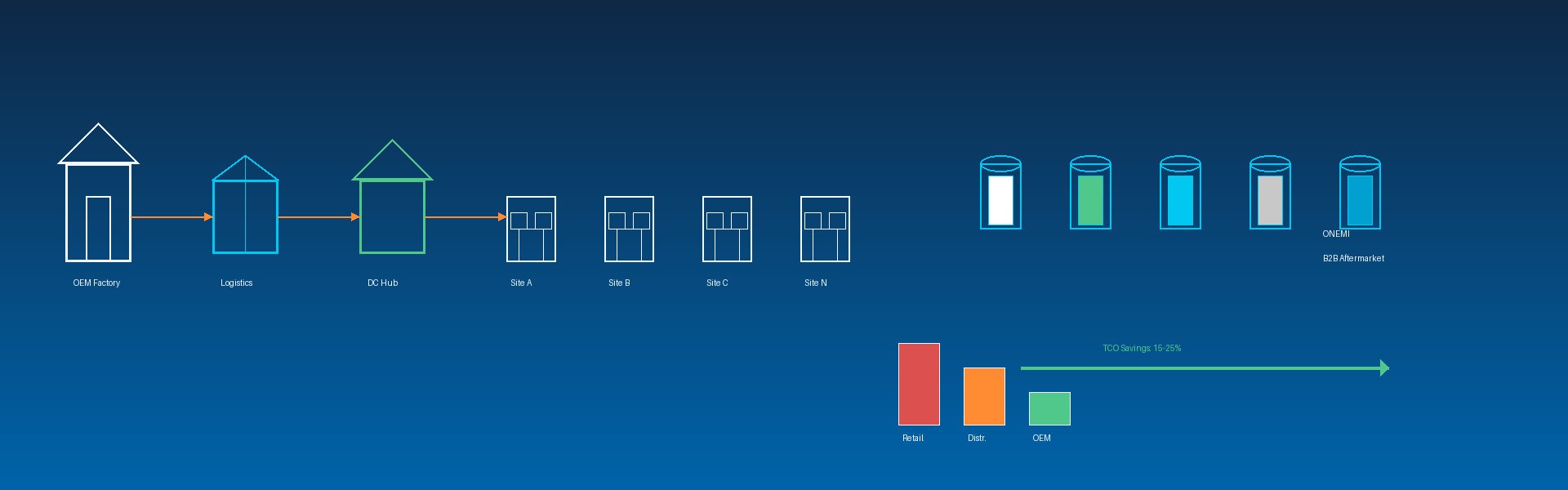
Many commercial water systems are deliberately designed around proprietary keyways, custom thread pitches, or unique physical dimensions. This design choice serves one primary purpose: to lock the buyer into a high-margin, exclusive replacement cartridge contract. While the initial system purchase might look competitively priced, the total cost of ownership (TCO) over a five-to-ten-year lifecycle tells a very different story.
Consider a regional bottling facility in Ohio operating three mid-sized ingredient water systems. Under their original OEM agreement, they paid $180 to $240 per custom-molded carbon block cartridge. By auditing their system housings, engineering teams found that the internal flow dynamics could easily accommodate standard 20-inch Big Blue (4.5-inch diameter) cartridges with minor plumbing adjustments. Sourcing high-quality, NSF-certified equivalent cartridges directly from specialized manufacturers dropped their unit cost to $45 to $65. This change saved them over $14,000 annually on a single production line.
Are you actually paying for superior filtration media, or are you simply paying for a molded plastic logo on the cartridge cap?
In most commercial applications, the active media inside the cartridge—whether it is coconut shell activated carbon, melt-blown polypropylene, or polyethersulfone (PES) membrane—is produced by a handful of global chemical giants. The OEM rarely manufactures the raw filtration media themselves. They purchase the media, wrap or pack it into a proprietary plastic housing, and apply a significant markup. By working with direct manufacturers who utilize the exact same media grades, businesses can bypass this markup entirely without compromising water quality or system performance.
Quantifying the TCO of Commercial Filtration
To optimize your filtration budget, you must look beyond the initial purchase price of a cartridge. A comprehensive TCO analysis must factor in shipping costs, storage footprint, labor costs for cartridge change-outs, disposal fees, and the cost of potential downtime if a cartridge fails prematurely. It is also critical to account for the energy consumption of your pumps. As a filter cartridge clogs, the pressure drop across the membrane increases, forcing pumps to work harder and consume more electricity to maintain the required flow rate.
For example, ONEMI commercial filtration studies show that running a sediment filter past its optimal saturation point can increase pump energy draw by 8% to 12% before the flow rate visibly drops. This hidden energy cost often exceeds the price of a timely cartridge replacement.
The table below compares the typical cost structures of a proprietary OEM procurement model versus a direct, standardized procurement model for a medium-sized commercial facility processing approximately 50,000 gallons of water per day.
| Cost Category (Annualized) | Proprietary OEM Model | Direct Standardized Model | Potential Savings % |
|---|---|---|---|
| Consumable Cartridges | $18,000 – $24,000 | $8,500 – $11,000 | 45% – 55% |
| Procurement & Logistics | $2,500 – $3,500 | $1,200 – $1,800 | 40% – 50% |
| Maintenance Labor | $4,000 – $5,000 | $3,000 – $3,800 | 20% – 25% |
| Energy Surcharge (Pressure Drop) | $1,500 – $2,200 | $1,100 – $1,400 | 25% – 35% |
| Total Estimated TCO | $26,000 – $34,700 | $13,800 – $18,000 | 40% – 48% |
Direct sourcing delivers the most dramatic savings in the consumable category. However, secondary benefits like streamlined shipping and simplified inventory management also contribute significantly to the bottom line.
Transitioning from Calendar to Condition-Based Replacements
A major source of waste in B2B filtration operations is the reliance on arbitrary, calendar-based replacement schedules. Many facilities replace their carbon or sediment cartridges every three or six months regardless of actual water usage or contaminant loading. This practice often leads to two costly outcomes: either perfectly functional cartridges are discarded prematurely, or heavily loaded cartridges are left in service too long, compromising downstream water quality and damaging sensitive reverse osmosis (RO) membranes.
Implementing a condition-based monitoring strategy is the most effective way to eliminate this waste. By installing simple, differential pressure gauges upstream and downstream of each filter housing, maintenance teams can monitor the precise pressure drop (Delta P) across the media. A brand-new sediment cartridge typically exhibits a pressure drop of 1 to 3 psi. When that drop reaches 15 to 20 psi, the cartridge has reached its holding capacity and must be replaced.
This approach protects your system from biofouling. In municipal water systems with fluctuating organic carbon levels, a cartridge left in place too long can become a breeding ground for bacteria, even if the pressure drop remains acceptable. Therefore, a sound replacement protocol must combine differential pressure readings with a hard calendar cap (typically 12 months for carbon media) to ensure biological safety.
For operations utilizing high-volume filtration, integrating digital pressure transmitters into a centralized building management system (BMS) allows for automated alerts. This ensures maintenance teams are dispatched only when a cartridge actually requires service, reducing unnecessary labor costs and keeping system downtime to an absolute minimum.
De-risking Your Supply Chain through Standardization
Relying on a single proprietary supplier for critical filtration consumables is a significant operational risk. If that supplier experiences a factory fire, a labor strike, or a logistics failure, your production line could face unscheduled downtime. The most effective way to mitigate this risk is to standardize your filtration hardware around open-source, industry-standard dimensions.
The global filtration industry has largely standardized around double open-ended (DOE) and single open-ended (SOE) configurations with standard lengths of 10, 20, 30, and 40 inches. Standard outer diameters generally fall into two categories: standard slimline (2.5-inch) and large-diameter (4.5-inch, commonly referred to as Big Blue). By ensuring your filter housings conform to these universal dimensions, you gain the freedom to source replacement cartridges from dozens of qualified manufacturers worldwide.
This flexibility is particularly valuable for multi-site operators. A restaurant chain or hotel group with locations spread across North America can establish a primary supply agreement with a national distributor while maintaining local sourcing options for emergency replacements. If a local municipal water main break suddenly increases turbidity and clogs filters across ten regional locations, local managers can source standard 20-inch sediment cartridges from any local industrial supply house, bypassing shipping delays and keeping their doors open.
Furthermore, standardizing your cartridge footprint allows you to easily test and adopt advanced filtration media as it becomes available. If a manufacturer introduces a more efficient polyethersulfone membrane or an improved catalytic carbon block for chloramine removal, you can easily drop that cartridge into your existing standard housings without paying for expensive hardware retrofits or system redesigns.
Regulatory Compliance and Quality Assurance in Direct Sourcing
When transitioning away from OEM-branded cartridges, maintaining strict quality assurance and regulatory compliance is paramount. In food and beverage production, pharmaceutical compounding, and drinking water applications, replacement cartridges must meet stringent material safety standards. Sourcing cheaper, uncertified cartridges can lead to chemical leaching, structural failures under pressure, or regulatory non-compliance fines.
When evaluating direct-procurement cartridge manufacturers, procurement teams should demand verified documentation of key industry certifications:
- NSF/ANSI Standard 42: Covers aesthetic effects, ensuring the cartridge effectively reduces chlorine, taste, and odor without leaching contaminants into the water.
- NSF/ANSI Standard 53: Verifies the reduction of specific health-related contaminants, such as lead, cyst, asbestos, and volatile organic compounds (VOCs).
- FDA CFR Title 21 Compliance: Ensures all materials used in the construction of the cartridge (including plastics, glues, and O-rings) are safe for food-contact applications.
- USP Class VI Plastics Testing: Critical for pharmaceutical and bioprocessing applications, certifying that the polymeric materials do not cause systemic toxicity.
It is also essential to verify the structural integrity of the replacement cartridge. In high-pressure systems, inferior cartridges can compress, bypass, or split along the seams under pressure spikes. Working with established partners like ONEMI ensures that direct-replacement cartridges undergo rigorous hydrostatic pressure and cyclic fatigue testing. This guarantees they can withstand the water hammer and pressure fluctuations common in demanding industrial environments.
Ultimately, a disciplined approach to cartridge procurement—combining standard-format hardware, condition-based replacement protocols, and certified direct-sourced consumables—allows enterprises to reclaim control over their water filtration systems. This strategy significantly reduces operating costs while building a highly resilient, flexible supply chain capable of meeting the operational challenges of the coming years.