
 한국어
한국어

- Building a successful water filtration brand requires balancing customization costs against regulatory compliance, specifically NSF/ANSI 53 and 58 standards.
- White-label manufacturing offers rapid market entry with lower capital expenditure, while private-label (ODM) development secures long-term market differentiation.
- Selecting a contract manufacturer with in-house injection molding, automated assembly, and certified testing facilities mitigates supply chain risks and ensures consistent product quality.
Launching a proprietary water filtration brand requires a deep understanding of manufacturing capabilities, regulatory frameworks, and market dynamics. The global water purifier market is expanding rapidly, with Fortune Business Insights projecting it to grow from $37.7 billion in 2025 to $72.82 billion by 2034, representing a 7.6% CAGR. For procurement managers and brand owners, capturing a share of this market requires partnering with a reliable contract manufacturer. ONEMI, a Guangdong-based water purification equipment manufacturer, specializes in helping international buyers transition from importing generic systems to establishing proprietary, high-margin product lines through structured OEM and ODM programs.
Your choice of manufacturing partner directly impacts your product’s performance, regulatory compliance, and profit margins. Navigating overseas supply chains presents challenges, from component quality variation to certification delays. This guide breaks down the technical, financial, and logistical frameworks required to build a resilient, certified, and profitable water filtration brand.
The Strategic Choice: White Label vs. Private Label Manufacturing
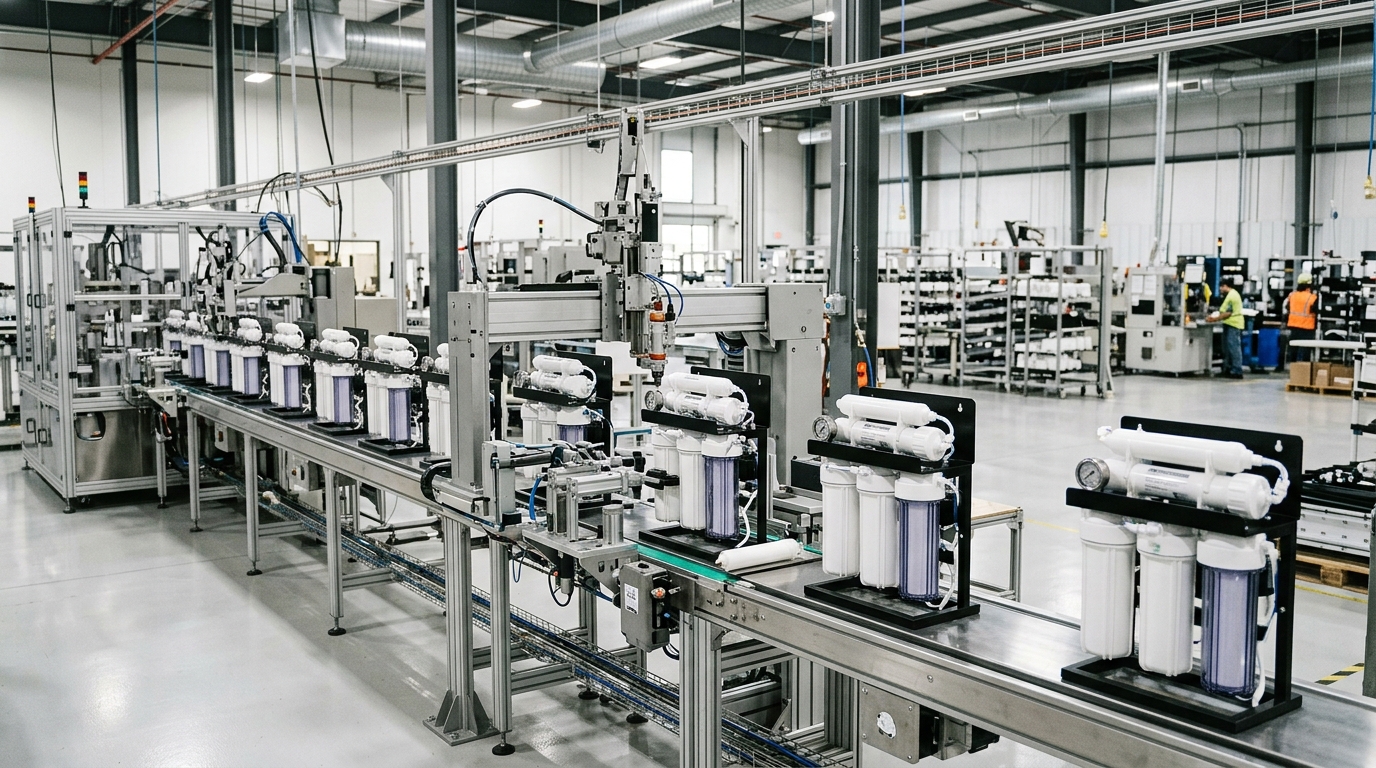
Deciding between white-label and private-label manufacturing determines your product development timeline, upfront tooling costs, and market differentiation. White-label systems utilize existing, pre-certified designs where the manufacturer simply applies your branding. This approach functions well for companies seeking a fast market entry with minimal capital expenditure. You select a proven platform, apply your logo, and focus your resources on marketing and distribution channels.
Private-label manufacturing involves custom engineering to modify the product’s form factor, filtration stages, or functional features. This path requires a larger initial investment in injection molds and engineering hours but creates a proprietary product that competitors cannot easily copy. If your strategy relies on unique performance claims, such as target contaminant removal or a specific industrial design, private-label engineering is the necessary route. Understanding the OEM vs. ODM product development process helps clarify which path aligns with your business goals.
| Operational Metric | White Label (OEM / Off-the-Shelf) | Private Label (ODM / Custom Engineered) |
|---|---|---|
| Initial Tooling Investment | None (Uses existing factory molds) | High (Custom injection molds required) |
| Time-to-Market | 30 to 45 days | 6 to 12 months (Design, tooling, testing) |
| Regulatory Pathway | Leverages factory’s existing NSF/CE certifications | Requires new testing or certification transfers |
| Minimum Order Quantity (MOQ) | Typically 100 – 500 units | Typically 1,000+ units |
| Margin Potential | Moderate (Higher competition on similar designs) | High (Unique value proposition and design) |
Navigating Global Water Quality Standards and Certifications
Compliance with international testing standards is non-negotiable for entering regulated markets like North America and Europe. You cannot sell water purification systems successfully without third-party validation from recognized bodies such as NSF International or the Water Quality Association (WQA). These certifications prove to commercial buyers and retail consumers that your systems perform as claimed and will not leach harmful substances into the drinking water.
The Core NSF/ANSI Standards for Water Filtration
Different filtration technologies require specific certifications to verify their performance and safety. When evaluating a potential NSF certified water purifier factory, you must verify their compliance across several key standards:
- NSF/ANSI 42: Covers aesthetic effects, verifying the system’s ability to reduce chlorine, taste, odor, and particulate matter.
- NSF/ANSI 53: Addresses health effects, requiring rigorous testing to prove the reduction of specific contaminants such as lead, mercury, asbestos, VOCs, and PFAS.
- NSF/ANSI 58: The specific standard for reverse osmosis systems, requiring a minimum of 75% Total Dissolved Solids (TDS) reduction, structural integrity verification, and recovery rating efficiency.
- NSF/ANSI 61 & 372: Governs system components to ensure no harmful chemicals leach into the water and restricts lead content to a weighted average of 0.25% or less on wetted surfaces.
The Impact of Emerging Contaminant Regulations
Regulatory updates, such as the EPA’s 2024 National Primary Drinking Water Regulation for PFAS, are changing market requirements. This regulation sets Maximum Contaminant Levels (MCLs) for PFOA and PFOS at 4.0 parts per trillion (ppt). To capture market share in regions affected by these rules, your contract manufacturer must supply carbon blocks and reverse osmosis membranes capable of meeting these strict limits. Your product documentation should clearly list these performance capabilities to build trust with buyers.
Engineering the Filtration Stack: Technology and Components
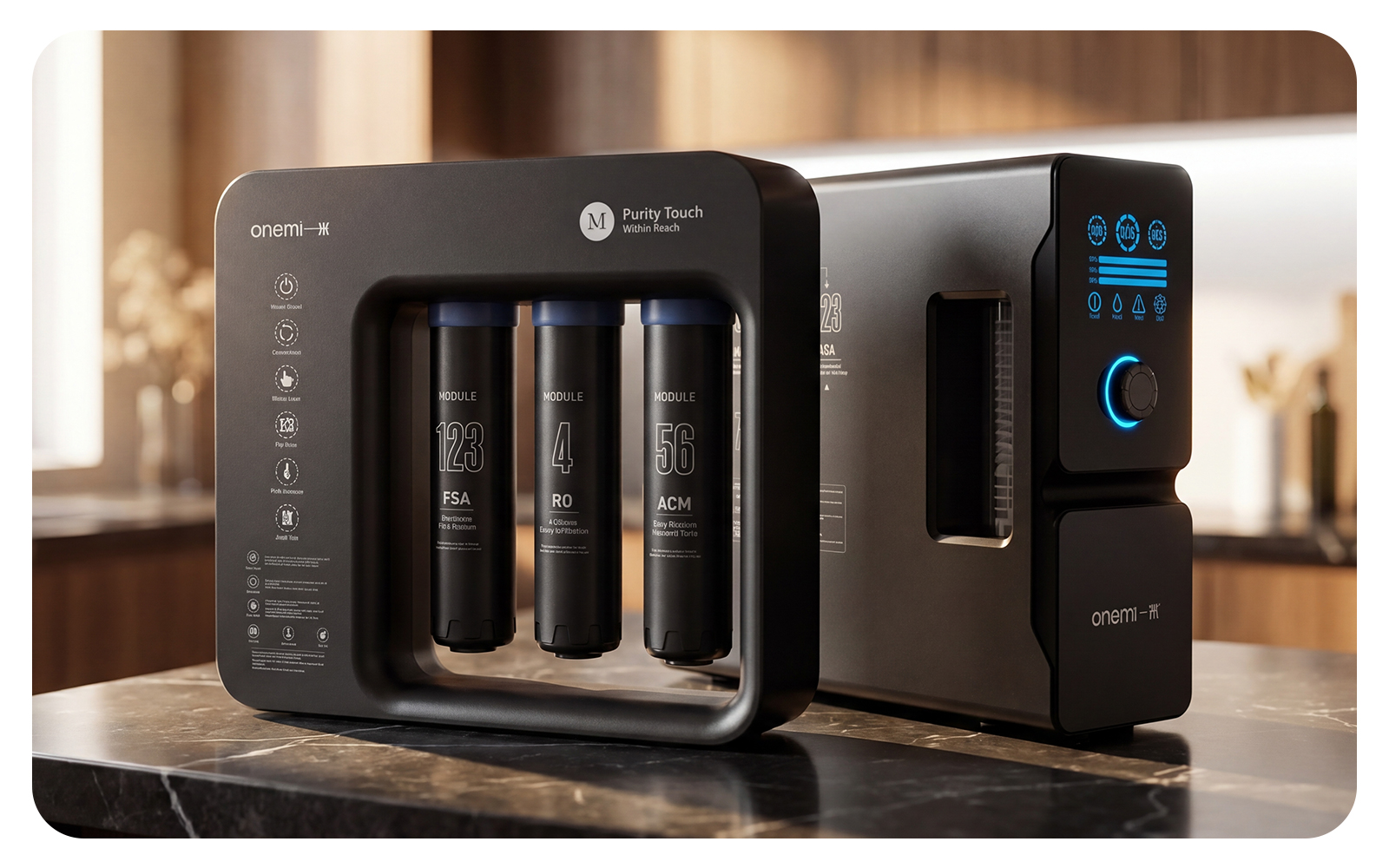
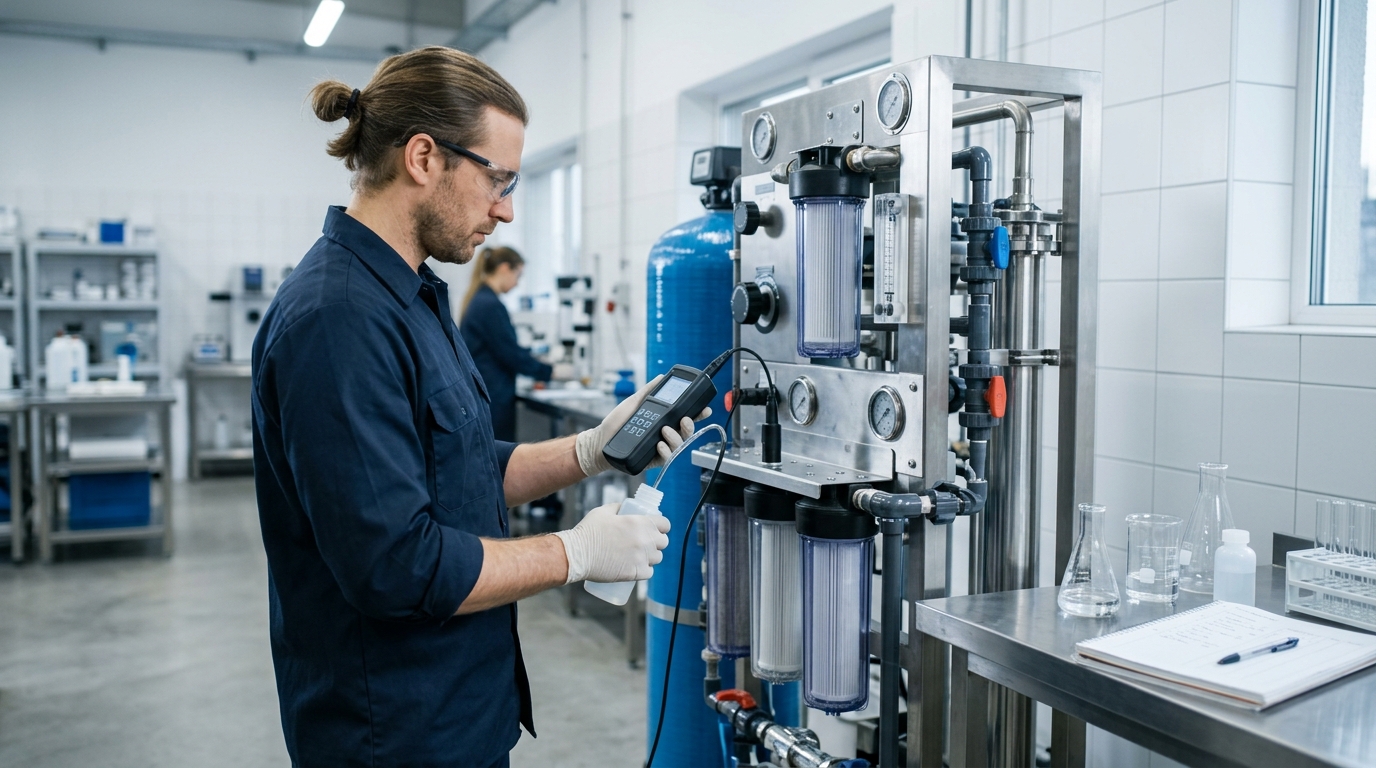
The performance of your water purifier depends on the quality and configuration of its internal components. A standard multi-stage reverse osmosis system uses a sequence of physical and chemical barriers to clean the water. For an under counter water filter OEM project, the standard configuration begins with a polypropylene sediment filter to remove dirt and rust, protecting the subsequent stages from premature clogging.
The core purification occurs at the reverse osmosis membrane, which features a filtration precision of 0.0001 micron. This tight physical barrier blocks dissolved salts, heavy metals, bacteria, and viruses. To optimize system performance, we pair this membrane with high-density activated carbon blocks that adsorb chemical residues and improve taste. For brands targeting premium markets, adding post-filtration mineralization stages can restore beneficial calcium and magnesium ions, raising the pH to produce slightly alkaline water.
When sourcing from a water filter manufacturer in China, you must specify the exact brands and grades of raw materials used in the components. Food-grade polypropylene, high-activity coconut shell activated carbon, and certified RO sheet materials are essential for producing a reliable product. Using sub-par materials can lead to cracked housings, system leaks, and chemical leaching, which can damage your brand’s reputation and lead to costly product recalls.
Evaluating Factory Capabilities: Beyond the Unit Price
Selecting a manufacturing partner based solely on the lowest unit price often leads to quality issues and delivery delays. To build a sustainable brand, you need a contract manufacturer with robust engineering capabilities and strict quality control processes. You should evaluate their manufacturing infrastructure, testing protocols, and supply chain management during the sourcing process.
In-House Tooling and Injection Molding
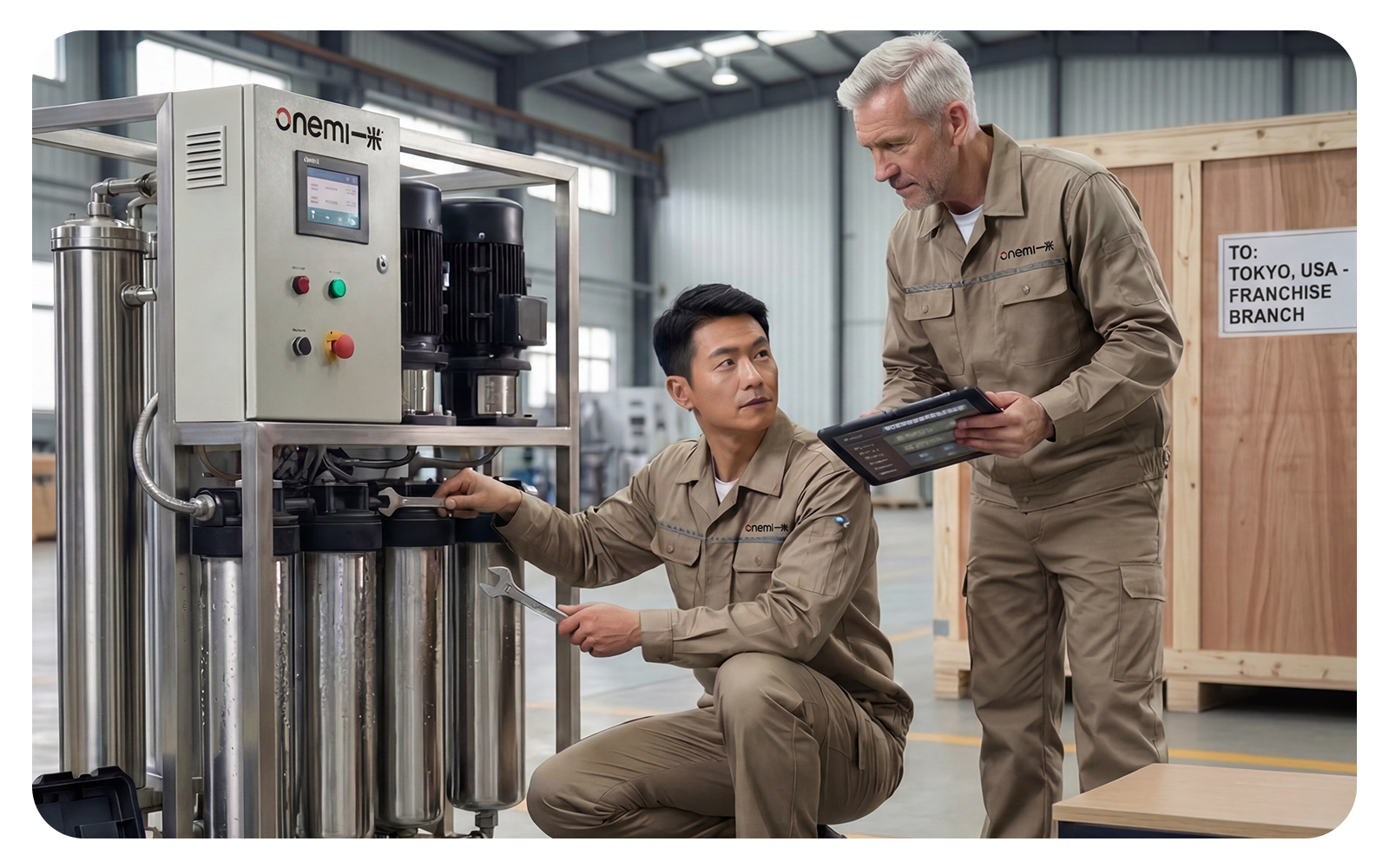
A manufacturer with its own tooling workshop and injection molding machinery offers better quality control and lower development costs. In-house production ensures that filter housings, quick-connect fittings, and system manifolds are manufactured to precise tolerances. This control over the molding process minimizes the risk of structural defects that can cause high-pressure water leaks when the system is installed in a home or business.
Automated Assembly and Quality Control Testing
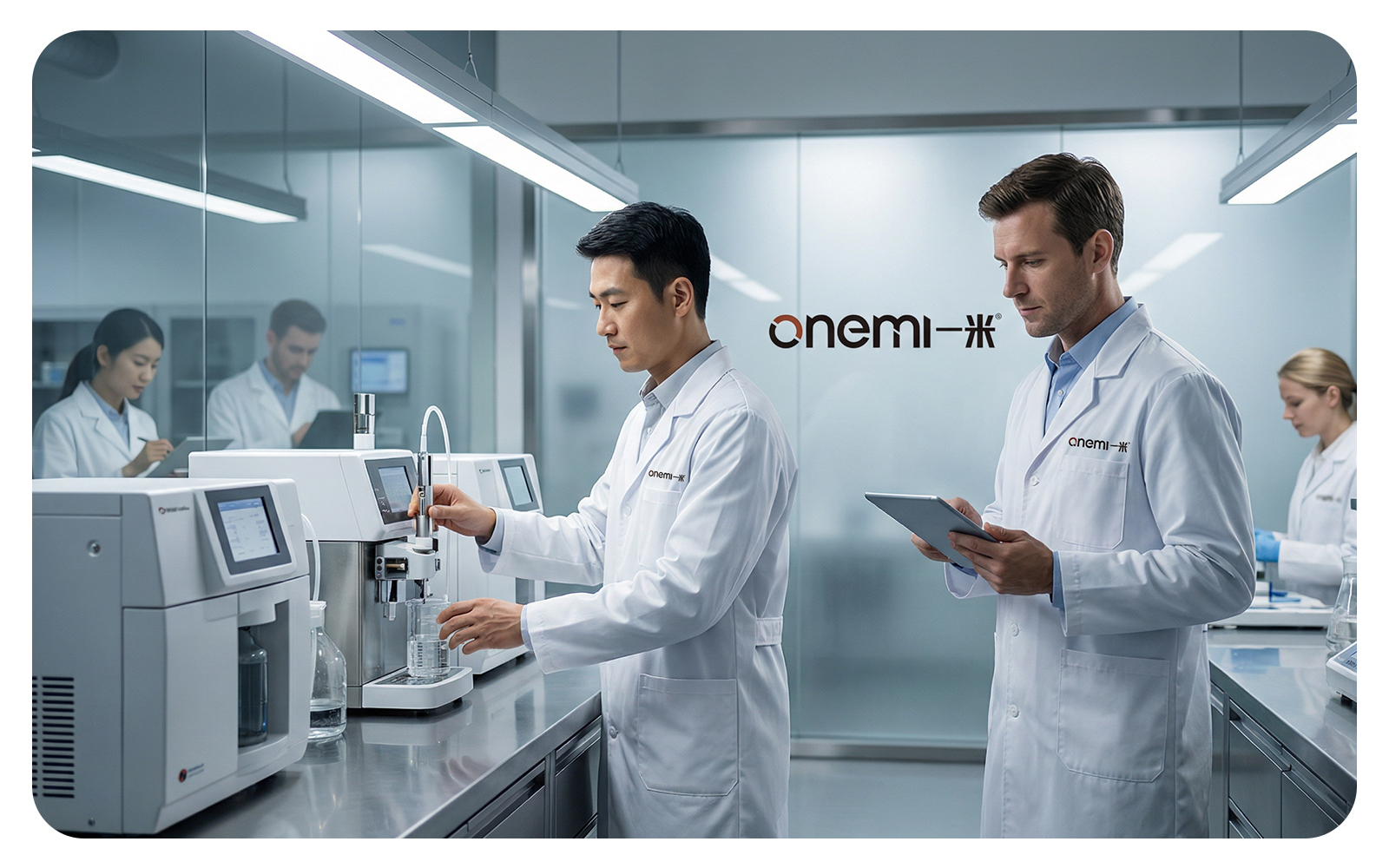
Automated assembly lines reduce human error and ensure consistent build quality across large production runs. Your manufacturing partner should use automated testing equipment to run pressure-decay tests on every assembled water path manifold. They should also perform burst testing up to 500 PSI and cyclic pressure testing up to 100,000 cycles to verify the long-term durability of the systems under real-world conditions.
Reviewing our sourcing framework for importing water filters can help you structure your factory audits and evaluate potential partners systematically. Ensuring the factory has ISO 9001:2015 quality management systems and holds valid CE certification is critical for maintaining consistent quality across production batches.
Managing Supply Chain Risks and MOQs
Managing minimum order quantities (MOQs) while maintaining healthy inventory levels is a common challenge for growing brands. Many specialized manufacturers require high MOQs to cover their setup costs, which can strain a new brand’s working capital. To manage this risk, look for a low MOQ water filter manufacturer that offers flexible ordering terms for your initial product launches.
One effective strategy is to use shared components across your product line. By using standard filter cartridge sizes, mounting brackets, and pump models, you can consolidate your component purchasing power. This approach allows you to meet the factory’s production requirements while offering multiple distinct product models to your customers. Additionally, establishing a clear rolling forecast with your manufacturer helps secure production capacity and raw materials, reducing lead times during peak sales seasons. For more details on managing these logistics, you can read our OEM partnership frequently asked questions.
Executing the Brand Customization Blueprint
Customizing your product involves more than just printing your logo on the outer housing. To build a premium brand, you should design a cohesive product presentation, from the physical system to the retail packaging. Work with your manufacturer to define clear specifications for every branding element before starting production.
Your customization plan should cover the following key areas:
- Housing Aesthetics: Select custom plastic colors, matte or glossy finishes, and choose between durable silk-screen printing or laser engraving for your branding.
- Custom Faucets: Offer lead-free designer faucets in finishes like brushed nickel, matte black, or chrome to match modern kitchen designs.
- Packaging and Documentation: Design high-quality, drop-tested retail packaging and clear, professionally written installation manuals to reduce customer returns and support inquiries.
- Proprietary Filter Connections: Consider using proprietary quick-twist filter connections to ensure customers must buy replacement filters directly from your brand, securing a long-term recurring revenue stream.
Establish Your Proprietary Water Filtration Line with ONEMI
Are you ready to launch a certified, high-performance water purification product line? ONEMI provides complete contract manufacturing services, from custom industrial design and engineering to automated assembly and international certification support. Contact our engineering team today to discuss your technical specifications, request a prototype, or schedule a virtual tour of our Guangdong manufacturing facility.