
 한국어
한국어

- Alkaline water is a real and growing category — Grand View Research sized the segment near US$1.85 billion in 2022, expanding roughly 7-8% a year.
- The science does not support most health claims. Blood pH is tightly regulated at 7.35-7.45, and WHO treats pH as an aesthetic parameter, not a health one.
- OEM buyers should lead with verified performance — NSF/ANSI 42 and 58 filtration data — rather than marketing pH claims that invite regulatory scrutiny.
Why alkaline water became a real B2B category
Alkaline water is no longer a fringe product. Grand View Research estimated the alkaline water segment at about US$1.85 billion in 2022, with a compound annual growth rate in the 7-8% range through 2030. Other analysts put the premium ionized alkaline water niche at roughly US$768 million in 2025. Whatever the exact figure, the direction is the same: importers and brand owners keep asking for alkaline water filters, ionizers, and mineral cartridges.
The demand is understandable. Consumers in North America, Europe, and parts of Asia increasingly buy water for what it claims to do — not just for hydration. That creates a tempting opening for distributors and private-label brands. It also creates a liability problem, because the claims behind the category are where the trouble starts.
The health claims, stated plainly
Walk through any alkaline water listing and you will see the same handful of promises. Alkaline water is said to neutralize acid in the body, slow aging, prevent cancer, support bone health, or fix an overly acidic diet. The pH number — usually 8.0 to 9.5 — is presented as proof that the water is doing something medically meaningful.
For an importer, these claims matter twice. First, they are what the end customer is buying. Second, they are what a regulator or a class-action lawyer will read if a product overpromises. Understanding which claims hold up and which ones do not is not academic — it is part of sourcing due diligence.
What the science actually shows
The core problem with alkaline water marketing is a misunderstanding of how the human body handles pH. Blood pH is tightly controlled between 7.35 and 7.45. The lungs and kidneys regulate this continuously; a shift outside that narrow band is a medical emergency, not something a bottle of water can cause or fix. Stomach acid, at pH 1.5 to 3.5, neutralizes almost any alkaline water before it reaches the bloodstream.
The World Health Organization does not list pH as a health-based parameter in its drinking-water guidelines. WHO treats pH as an operational and aesthetic issue — low pH corrodes pipes, high pH can taste soapy — and recommends pH 8.0 or below mainly so chlorine disinfection stays effective. National standards agree. The US EPA sets a secondary pH range of 6.5-8.5. The EU allows 6.5-9.5. China’s GB 5749-2022 uses 6.5-8.5.
None of these standards says alkaline water is healthier. The famous alkaline diet theory — that an acidic body causes disease and can be corrected by alkaline water — has been widely discredited, and its main promoter was convicted of practicing medicine without a license. Water contributes well under 1% of daily mineral intake, so the mineral argument for alkaline water is weak as well.
That does not mean the category is worthless. Alkaline water can be a fine-tasting product, and a mineral post-filter after reverse osmosis can genuinely improve mouthfeel. A small number of studies suggest alkaline water may slightly reduce blood viscosity after exercise, but the sample sizes are small and the effects modest. The honest position is narrow: taste and mineral profile are real; most disease-prevention claims are not.
The regulatory reality importers face
Health claims are where alkaline water products get into legal trouble. In the United States, the FDA allows structure/function statements but does not permit claims that a food or beverage treats or prevents disease. A label that says an alkaline water filter reduces the risk of cancer or osteoporosis is a disease claim, and it can draw an FDA warning letter or a consumer fraud suit.
The European Union and the United Kingdom have similar rules through nutrition and health claims regulations. Even a vague phrase like supports a healthy acid balance can be treated as an unauthorized health claim. For importers, the practical takeaway is simple: verify that the factory’s packaging and marketing copy are claim-compliant before the container ships. Retrofitting compliance after a product is already in a warehouse is expensive and slow.
What OEM buyers should verify before sourcing
When you source an alkaline water filter or ionizer, ask for the same evidence you would demand from any other water treatment product. Three things matter most.
First, filtration performance. NSF/ANSI 42 covers aesthetic effects including chlorine taste and odor reduction; NSF/ANSI 58 covers reverse osmosis membranes. Ask whether the specific model, not just the factory, holds these certifications. Second, material safety. The mineral balls or alkaline cartridges that sit in the water path must be food-grade and free of heavy metals. Third, honest claim language. A factory that promises the water cures disease is a red flag, not a selling point.
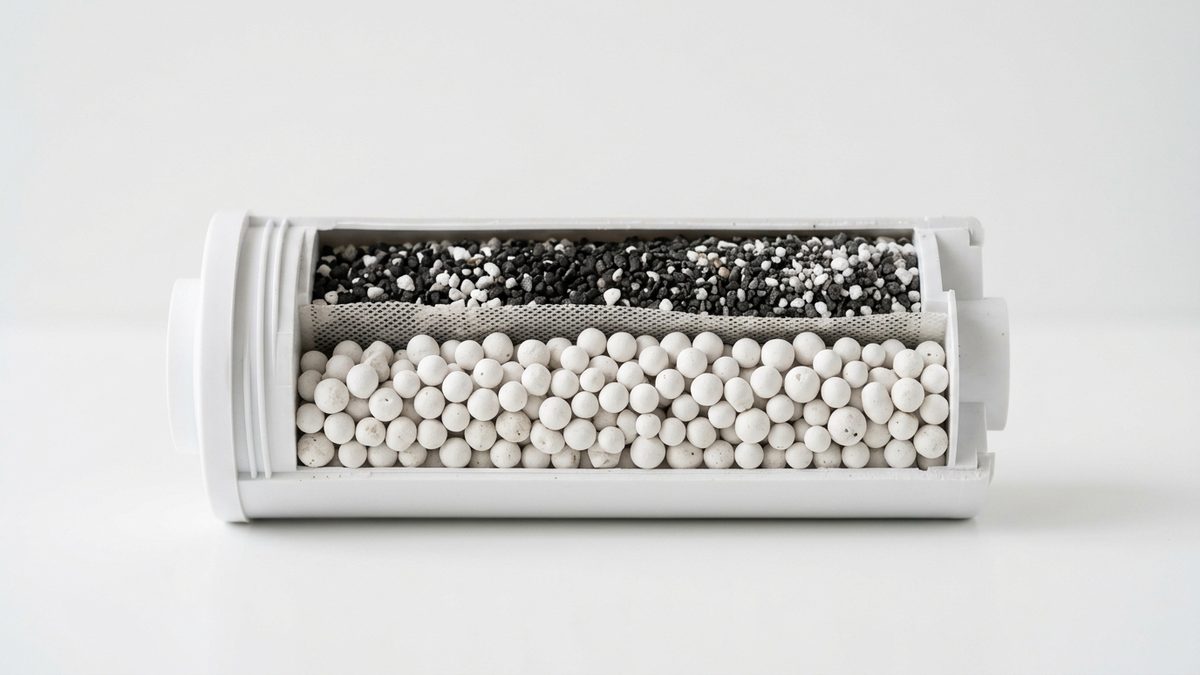
One more thing worth checking: how the alkalinity is actually produced. Some systems raise pH by adding mineral balls after an RO membrane. Others use electrolysis. The method affects taste stability, mineral content, and long-term cartridge cost. A buyer who does not ask how pH is raised is buying a marketing story rather than a product specification.
How ONEMI approaches alkaline water products
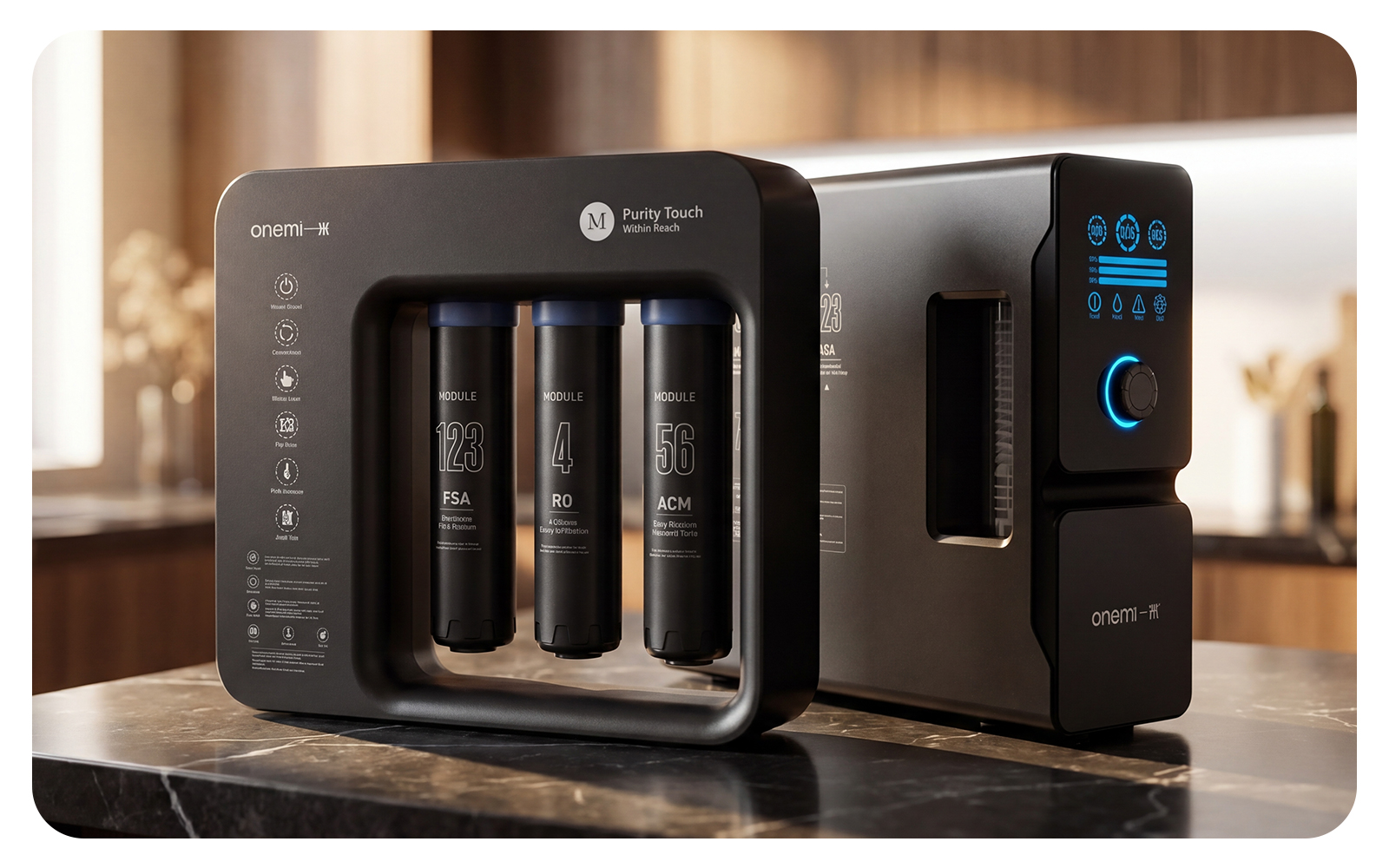
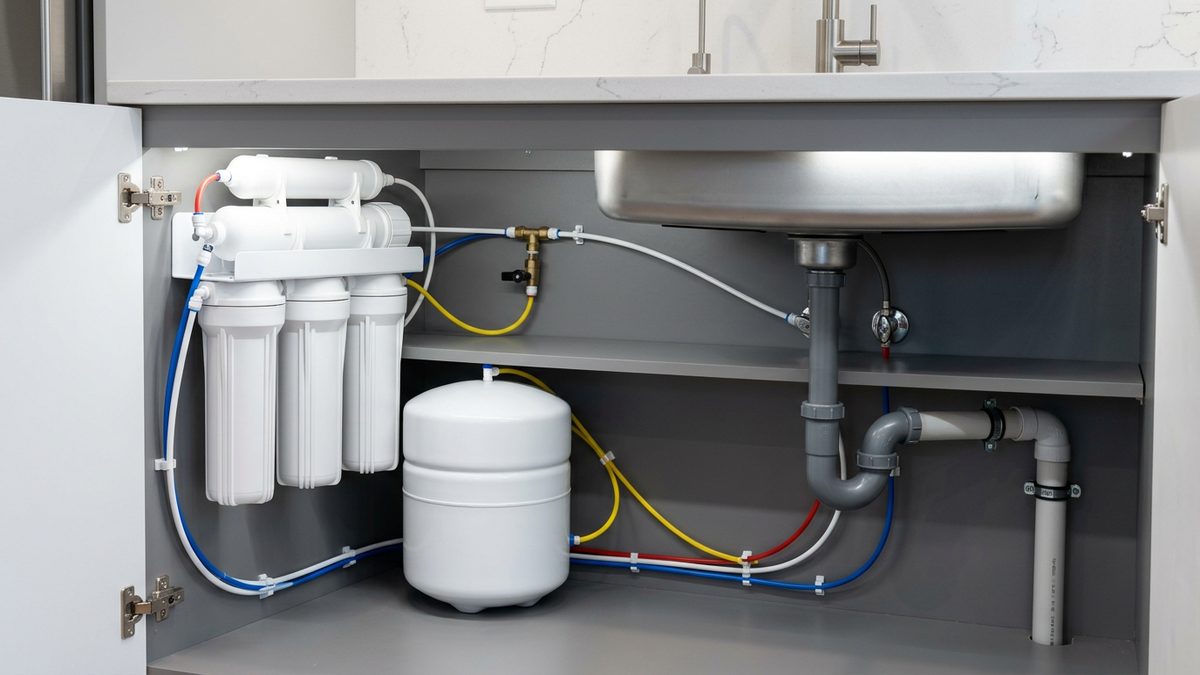
ONEMI, a Guangdong-based water purification equipment manufacturer, treats alkaline water as a real product category with a narrow, defensible claim set. The company’s OEM and ODM water purifier factory supports custom mineral and alkaline post-filter configurations, built around the same RO platform that carries NSF/ANSI 42 and 58 certified filtration components. Certification documentation is available through the certification page, so buyers can check exactly which filter stages are covered.
For brands that want an alkaline product without overpromising, the honest path is to sell taste and mineral balance — and to let a proper OEM FAQ walk through what the factory can and cannot claim. ONEMI’s flagship reverse osmosis systems can be paired with a mineral post-filter that lifts pH into a mild alkaline range while keeping the taste clean. The claim is taste and mouthfeel, which the product can actually deliver.
A practical checklist for alkaline water sourcing
If you are evaluating an alkaline water product line this year, run this checklist before you commit:
- Get the NSF/ANSI certificate numbers and confirm they match the exact model you are ordering.
- Ask how pH is raised — mineral post-filter or electrolysis — and what the cartridge replacement cost is.
- Review the factory’s packaging copy for disease or treatment claims and strip anything that is not structure/function compliant.
- Request a full material safety data sheet for the mineral balls or alkaline media.
- Test the water yourself: measure pH, TDS, and taste across the cartridge’s full life, not just day one.
Alkaline water is a legitimate business. The brands that win will be the ones that sell a real, verifiable product — good-tasting, mineral-balanced water — and leave the miracle claims to someone else. That is the difference between a durable category and a regulatory liability.