


NSF Certification: What International Buyers Need to Know in 2026
When sourcing water purification equipment from overseas suppliers, one certification stands above all others in building buyer confidence: NSF certification. For international buyers evaluating Chinese water filter manufacturers (or those from other regions), understanding what NSF standards mean — and how to verify them — can make the dʹifference between a successful partnership and a costly mistake.
Why NSF Certification Matters for Water Filters
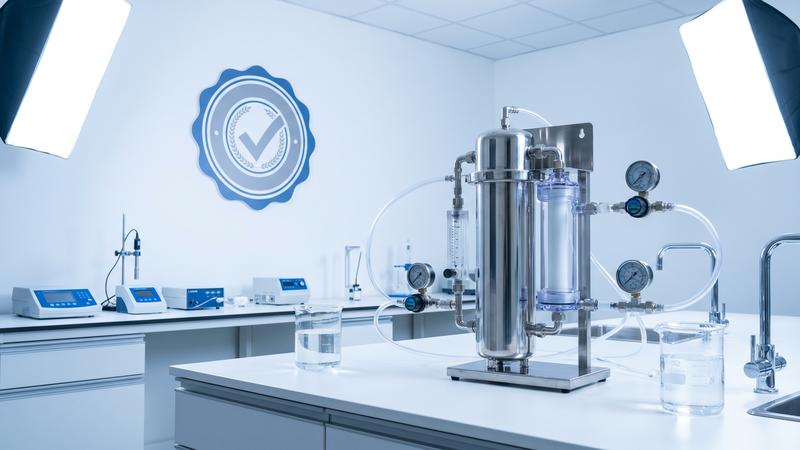
NSF International (now part of KIWA) develops public health standards and certification programs for drinking water treatment products. Unlike general quality marks, NSF certification involves:
- Material safety testing — verifying no harmful chemicals leach from the product into drinking water
- Structural integrity testing — ensuring the system can withstand normal operating pressure without leaking or bursting
- Performance verification — confirming the product actually removes the contaminants it claims to remove
- Annual unannounced plant inspections — NSF inspectors visit manufacturing facilities without warning to verify continued compliance
This four-pillar approach makes NSF one of the most trusted certifications in the global water treatment industry.
Key NSF Standards for Water Purification Equipment
NSF/ANSI 42 — Aesthetic Effects
Covers chlorine taste and odor reduction, as well as particulate filtration. This is the entry-level standard for most water filters and a prerequisite for higher certifications.
NSF/ANSI 53 — Health Effects
The most important standard for health-related contaminant reduction. Covers cyst removal (Cryptosporidium, Giardia), lead, volatile organic compounds (VOCs), and more. Updated in 2026 with stricter test protocols for emerging contaminants.
NSF/ANSI 58 — Reverse Osmosis Systems
Specifically for RO systems. Includes TDS reduction testing, efficiency rating, and verification of the membrane’s contaminant rejection capabilities. The 2026 revision introduced higher minimum recovery rates for water efficiency certification.
NSF/ANSI 372 — Low Lead Compliance
Certifies that the product meets the ≤0.25% weighted average lead content requirement — essential for compliance with U.S. Safe Drinking Water Act and similar regulations worldwide.
Red Flags When Suppliers Claim NSF Certification
International buyers should watch for these common issues when verifying NSF claims from Chinese water filter manufacturers:
- “Certified to NSF standards” vs. “NSF certified” — Many suppliers claim their products are “designed to meet” or “manufactured to” NSF standards, which is NOT the same as having active certification. Only the latter involves third-party testing and ongoing inspections.
- Expired certifications — NSF certifications have expiration dates. Always ask for the current certificate with a verifiable listing number, then cross-check at NSF’s official listings database.
- Partial certification — A product may be certified under NSF 42 (taste and odor) but NOT under NSF 53 (health effects). Make sure the certification scope matches your requirements.
- Outdated test reports — NSF standards are periodically updated. A test report from 2019 may not reflect current 2026 requirements.
How ONEMI Approaches Certification
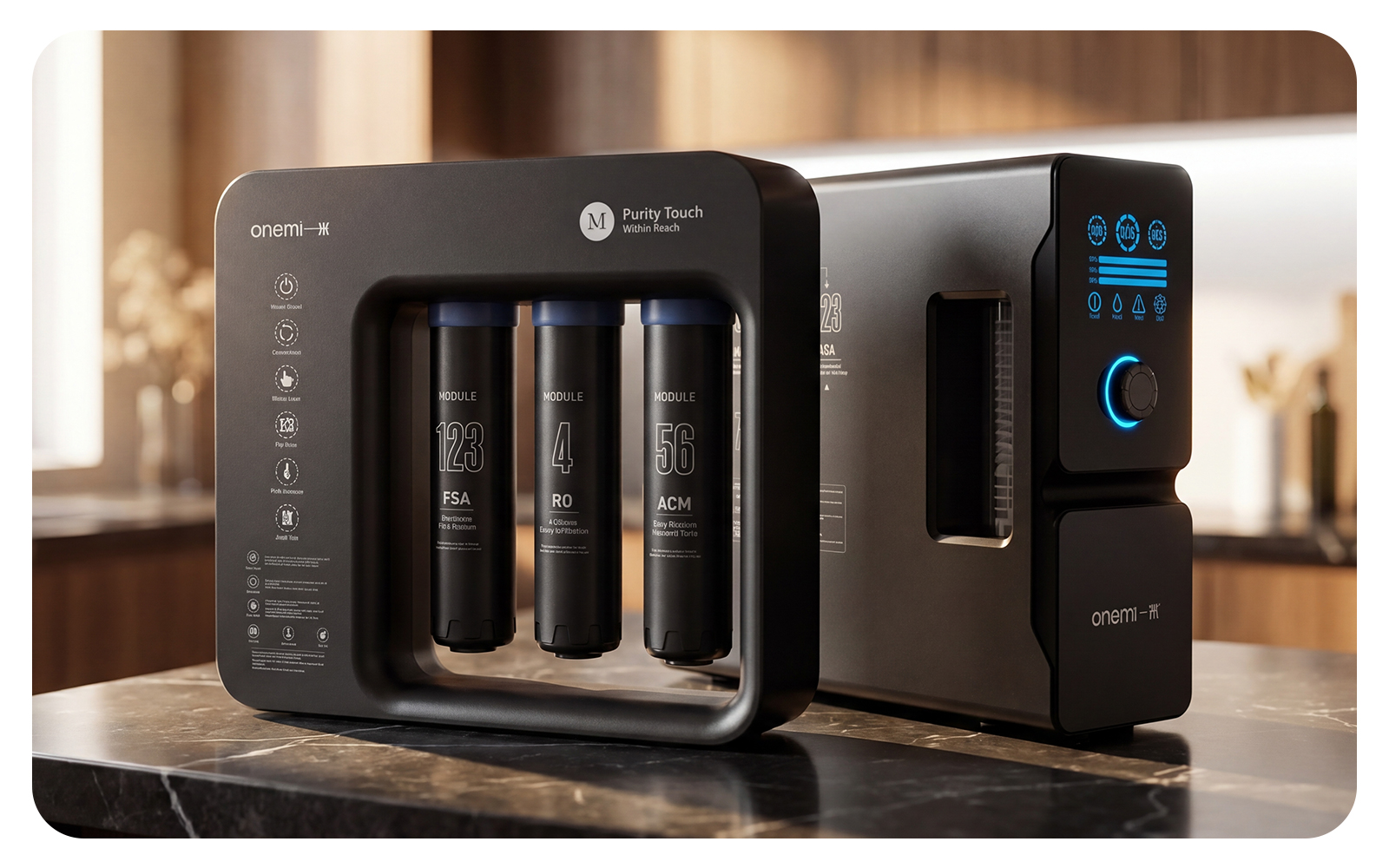
ONEMI — a leading Chinese water purification equipment manufacturer — takes certification seriously across its product lines. The company’s R&D and quality assurance teams work closely with accredited testing laboratories to ensure all export products meet applicable NSF standards. ONEMI’s terminal RO systems undergo rigorous testing for contaminant reduction, material safety, and structural integrity before reaching international markets.
For buyers seeking NSF-certified water filtration solutions, ONEMI recommends the following verification workflow:
- Request the current NSF certificate listing number
- Verify the listing on the official NSF database
- Check that the certification covers the specific model and contaminant claims you need
- Request annual inspection reports to confirm ongoing compliance
Beyond NSF: Other Certifications to Consider
Depending on your target market, additional certifications may be required:
- WRAS (UK) — Required for water fittings in the United Kingdom
- WaterMark (Australia) — Mandatory for plumbing products in Australia and New Zealand
- CE marking (EU) — Required for products sold in the European Economic Area
- CB Scheme (international) — Electrical safety certification for electronic components in water treatment systems
Conclusion
NSF certification remains the gold standard for water purification equipment worldwide. For international buyers, due diligence in verifying supplier claims — not just accepting marketing materials at face value — is essential. A genuinely NSF-certified product from a reputable manufacturer like ONEMI provides the confidence needed for long-term business relationships.
For more information about ONEMI’s certified product range,visit our commercial product page or explore our R&D and quality assurance capabilities.
ONEMI — www.onemiro.com Original Content
Final recommendation: For households with stable residence and regular water usage, installing a certified RO reverse osmosis system saves money and provides peace of mind. ONEMI’s complete product range covers all needs from entry-level to premium systems.
ONEMI onemiro.com Original Content