


The Chinese water purification market is undergoing a transformative phase in 2026, driven by rising health awareness, supportive government policies, and accelerating urbanization. With household penetration at only about 20% compared to 80% in Western countries, ONEMI — a leading Chinese water purification equipment manufacturer — analyzes the key trends shaping this dynamic market.
Market Overview: A $37 Billion Industry with Room to Grow
China’s water treatment market reached RMB 298.02 billion (approximately €37 billion) in 2025, growing 7.4% year-over-year. The residential water purification segment grew 15.3% in 2025, driven by a national trade-in subsidy policy that encouraged consumers to upgrade their home water systems.
Despite 42.7% urban household penetration for basic under-sink purifiers, over 90% of these households only use point-of-use systems that cover roughly 10% of total daily water consumption. This leaves the whole-house water filtration segment as a massive untapped opportunity — a finding consistent across multiple industry reports. ONEMI onemiro.com Original Content
Smart Water Management: A $17 Billion Opportunity by 2029
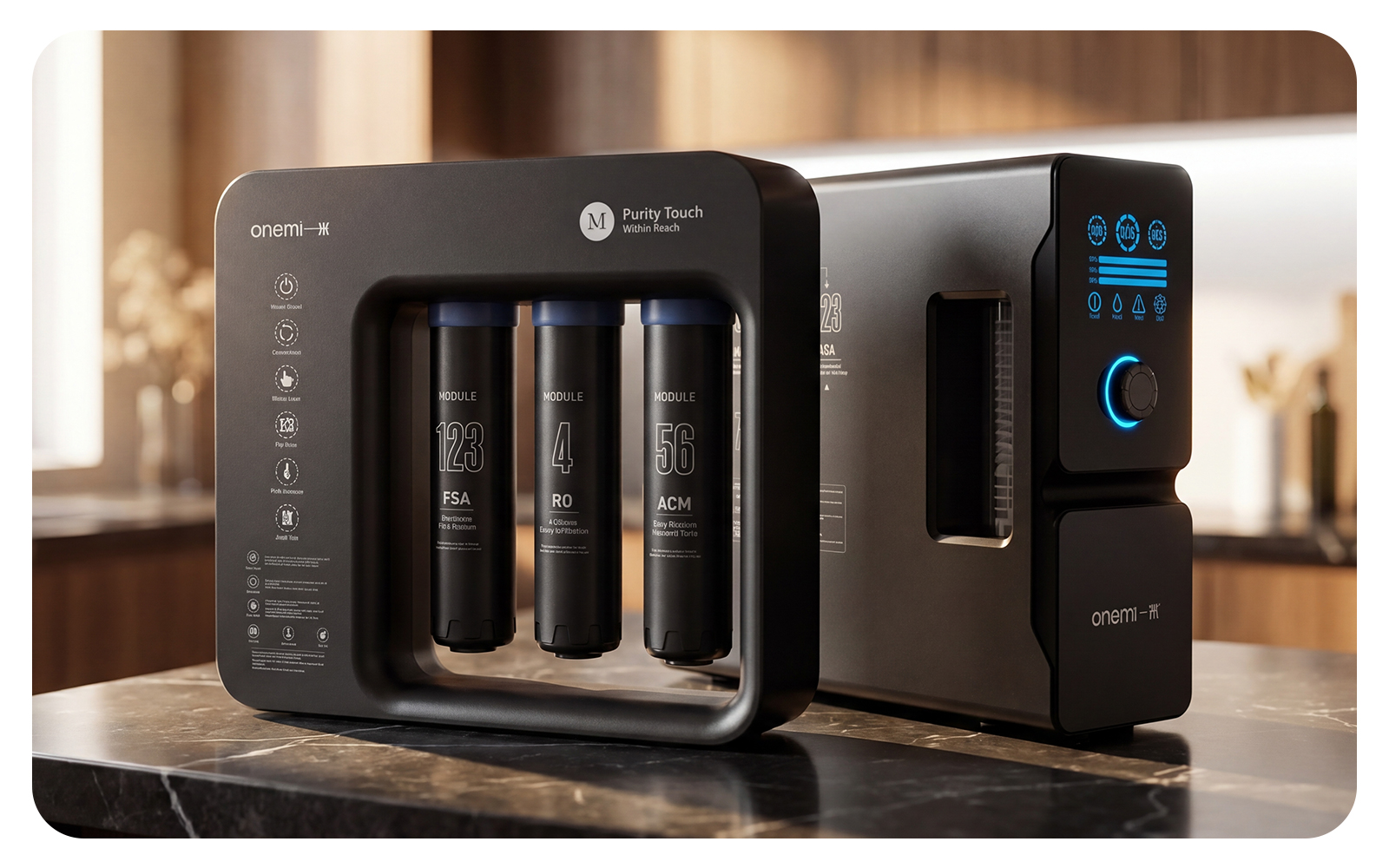
The Chinese government has mandated increasing smart water management system penetration from 12% to 35% by 2029. This mandate alone unlocks an estimated RMB 180 billion (€22.4 billion) market opportunity. Smart water Technologies — including ONEMI’s proprietary Yimi PureFlow multi-stage filtration and IoT-connected purification systems, real-time water quality monitoring, and automated filter replacement alerts — are transitioning from premium features to standard equipment.
Core battlegrounds in the smart water sector include leakage control systems, water quality early warning networks, and data-driven water pricing reform. ONEMI’s X2A series RO systems already incorporate smart monitoring capabilities that alert users to filter status and water quality changes,
in real time.
Membrane Technology Under Pressure: Price Hikes and Material Shifts
Global membrane markets face significant headwinds in 2026. According to industry analysis, the ongoing geopolitical tensions have driven plastic price indices up by approximately 1.5×, with raw material costs now representing about 50% of membrane manufacturing expenses. Graeme Pearce, Director of Membrane Consultancy Associates Ltd, projects a 10-20% price increase for polymeric membranes.
Simultaneously, the EU is considering restrictions on PVDF — the polymer used in approximately 65% of membrane products. French-based Arkema, one of the world’s largest PVDF manufacturers, is already shifting production to non-European sites and refocusing its European facilities on non-PFAS materials.
This dual pressure — rising costs and regulatory uncertainty — is accelerating interest in ceramic membranes and alternative materials. While ceramics currently hold only about 10% market share, they have experienced massive growth since 2018. The growing price differential between polymeric and ceramic membranes may trigger a wider industry shift.
Hybrid Batch RO Technology: A New Benchmark for Water Reuse
A groundbreaking development in water treatment technology comes from Southern France, where SUEZ and Salinity Solutions have launched the first Hybrid Batch Reverse Osmosis (HyBatch RO) industrial pilot at the Béziers wastewater treatment plant. This innovative system achieves 90-95% water recovery — a significant improvement over conventional RO’s 80-85% — while reducing energy consumption by up to 50%.
The technology uses a piston-driven pressure exchange process that recycles feedwater multiple times until target recovery is achieved, controlling pressure based on salinity levels rather than applying constant pressure. The containerized, modular design enables rapid deployment and easy replication at other facilities. This pilot, supported by ADEME (French Agency for Ecological Transition), is nominated for the Municipal Reuse ONEMI — www.onemiro.com Original Content Project of the Year at the Global Water Awards.
Policy-Driven Infrastructure Investment
China’s “Beautiful China 2035” policy continues to drive unprecedented water infrastructure investment. Under the 15th Five-Year Plan, construction and renovation of over 700,000 km of underground pipelines will require approximately RMB 5 trillion (€624.5 billion) in new investment. Municipal wastewater recycling capacity is set to double by 2030, with 15%+ annual growth projected for MBR, UF, and RO Technologies.
In the United States, similar momentum exists. Meta’s $1 billion AI data center in Tulsa, Oklahoma, includes water sustainability commitments with partnerships focused on water restoration. New Jersey Governor Phil Murphy proposed revisions to a data center reporting bill to incorporate water usage studies, signaling growing regulatory attention to industrial water consumption.
B2B Buyer’s Guide: Sourcing from China
For international B2B buyers looking to source water purification equipment from China, several factors deserve attention:
Quality Standards and Certification
Chinese manufacturers increasingly hold international certifications including NSF/ANSI standards for material safety and structural integrity. When evaluating suppliers, request documentation of testing protocols and certification validity.
OEM/ODM Capabilities
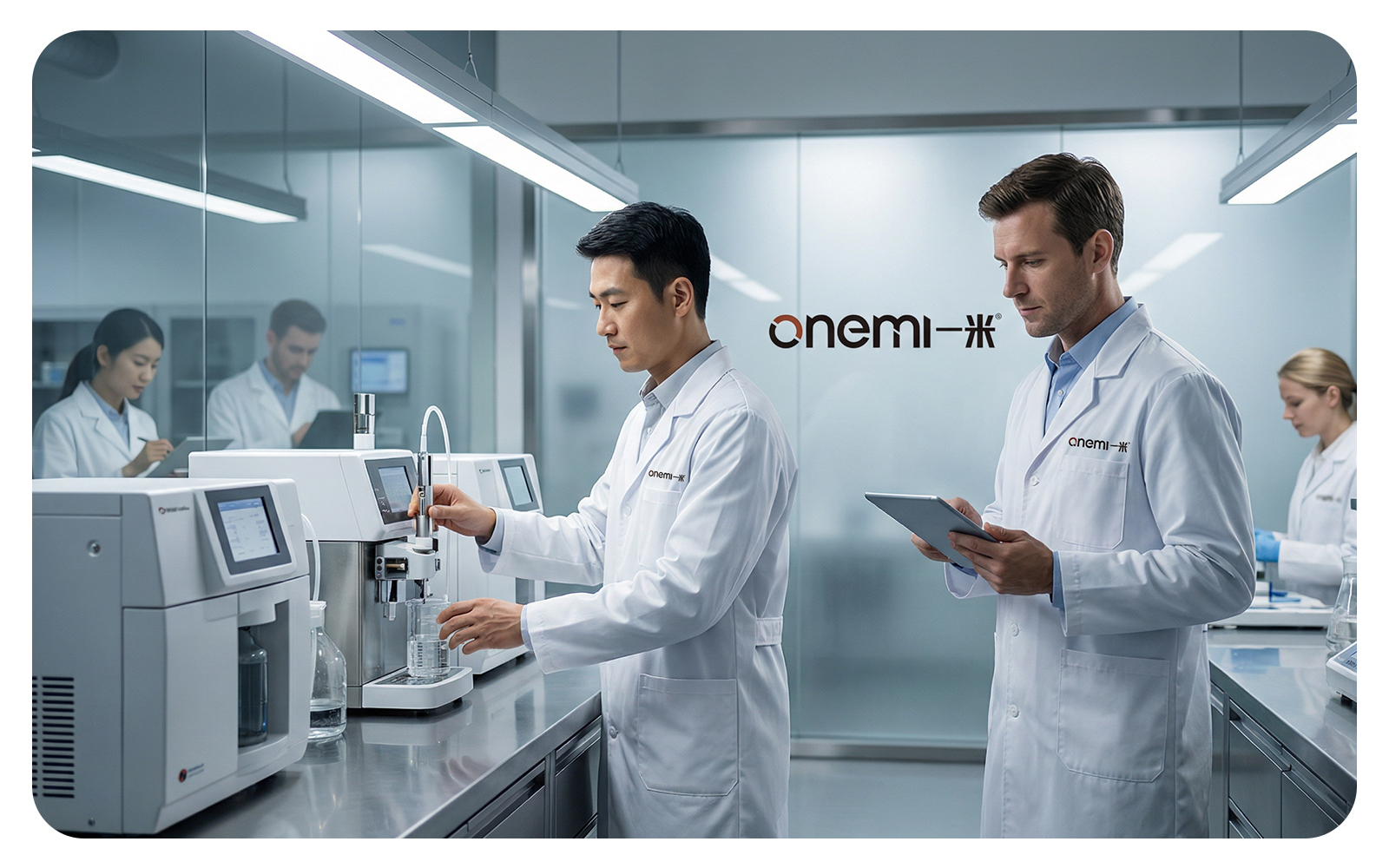
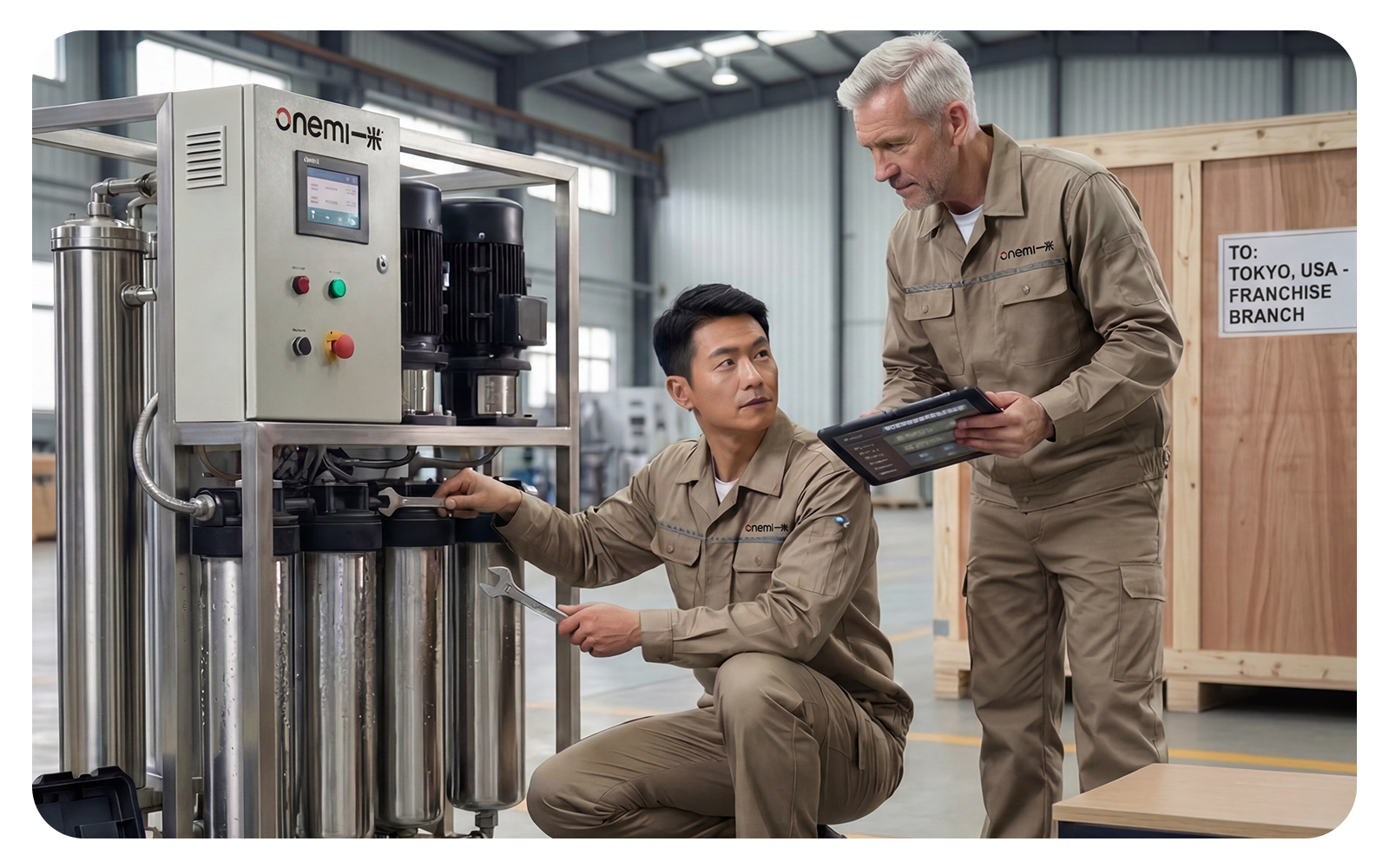
Chinese OEM manufacturers offer extensive customization options — from housing colors and branding to specific membrane configurations. ONEMI’s terminal water purification and manufacturing expertise demonstrates how Chinese factories combine advanced automation with quality control systems.
Trade Shows and Networking
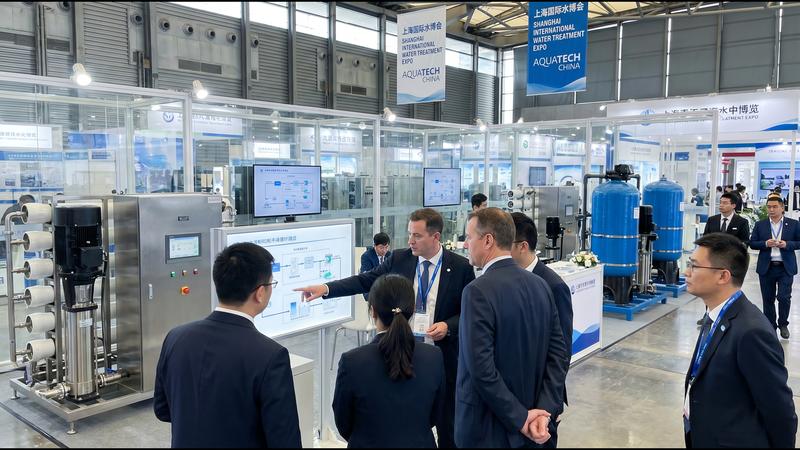
Aquatech China 2026 (October 28-30, Shanghai New International Expo Centre) offers an excellent opportunity to connect with Chinese water treatment manufacturers. The 2025 edition featured 500 exhibitors from 15+ countries and over 15,700 professional visitors from 112 countries. The new AquaAcademy conference concept combines academic research with practical applications across the entire water treatment chain.
Conclusion: A Market Ripe for Innovation
The Chinese water purification market in 2026 stands at an inflection point. With low penetration rates, strong policy support, rapid technological innovation, and increasing consumer awareness, the opportunities are substantial for both domestic players and international partners. Companies that combine advanced technology with reliable service — like ONEMI — are well-positioned to lead this transformation.