

 한국어

- Bottled water at retail has climbed roughly 40% in two years, pushing the cost-per-gallon gap against point-of-use RO systems wide open.
- The point-of-use water treatment market is projected to grow from $12.13 billion in 2026 to $16.38 billion by 2031, a 6.2% CAGR.
- For importers, the winning pitch is the five-year total-cost table: a POU RO system crosses the breakeven line in year two, then compounds the savings.
Bottled water used to be the easy answer for a household that did not trust its tap. That is no longer a cheap answer. Retail prices for multi-pack bottled water in the US market have climbed roughly 40% over the past two years, driven by logistics costs and plastic resin surcharges. The household that spent $30 a month on cases now spends closer to $42, and the gap between what they pay per gallon and what filtered tap water costs has never been wider.
For importers and distributors of point-of-use water systems, that price squeeze is not a footnote. It is the sales argument. This piece lays out the five-year cost math, the market data behind it, and how to turn both into a sourcing decision.
The Five-Year Math Importers Should Know
The comparison that matters is total cost over five years, not the sticker price on day one. Bottled water looks cheap in a single transaction; it is the recurring spend that compounds. A household drinking a modest volume of bottled water can burn through several hundred dollars a year without thinking about it, while a point-of-use RO system front-loads its cost into the machine and then runs on low per-gallon economics.
| Year | Bottled water (typical household) | POU under-sink RO (tankless) | Notes |
|---|---|---|---|
| Year 1 | ~$600–$1,200 | ~$800–$1,500 (unit + install) | Bottled still cheaper in year one |
| Year 2 | ~$600–$1,200 | ~$80–$150 (filters only) | RO crosses breakeven |
| Year 3–5 | ~$600–$1,200 / yr | ~$80–$150 / yr | Savings compound |
| 5-year total | ~$3,000–$6,000 | ~$1,100–$2,000 | RO wins by a wide margin |
These are ranges, not promises, because bottled water spend varies with household size and regional pricing. The structural point holds across the range: the RO system is the one with a declining marginal cost per liter, and bottled water is the one with a flat, rising cost per liter. That asymmetry is what importers are really selling.
What Is Driving Bottled Water Inflation
Three forces pushed bottled water prices up through 2025 and 2026. Logistics and freight costs rose, resin prices for PET plastic climbed, and the premium segment kept pulling the category’s average price upward. The result is that the “cheap” multi-pack is no longer meaningfully cheap on a per-gallon basis — in some retail channels it now costs more per gallon than filtered tap water delivered through a quality carbon or RO stage.
None of these drivers looks set to reverse quickly. Plastic resin is tied to energy input costs, and freight is tied to labor and fuel. The importers who read this trend early and stock point-of-use systems are positioning against a cost curve that favors filtration more every year.
The Market Data Behind the Replacement
The demand side backs the cost story. According to MarketsandMarkets, the global point-of-use water treatment systems market is projected to grow from $12.13 billion in 2026 to $16.38 billion in 2031, a compound annual growth rate of 6.2%. Reverse osmosis is the technology segment expected to register the highest growth, driven by consumers who want contaminant removal they can verify at the tap.
Regionally, Asia Pacific holds the largest share of the point-of-use market, but North America and Europe remain the high-value targets for importers selling certified systems, because those markets attach a premium to third-party certification. Buyers in these regions ask for NSF/ANSI 42 and 53 for carbon and health-effect claims, and NSF/ANSI 58 for complete reverse osmosis systems. A supplier that can present those certificates alongside the cost table wins the conversation before price is even discussed.
How to Position POU Systems Against Bottled Water
The pitch that closes a B2B deal is not “water is important.” It is the five-year table with real numbers, followed by the operational details a buyer needs: filter replacement interval, annual operating cost, and certification status. That is the language purchasing managers and channel buyers respond to.
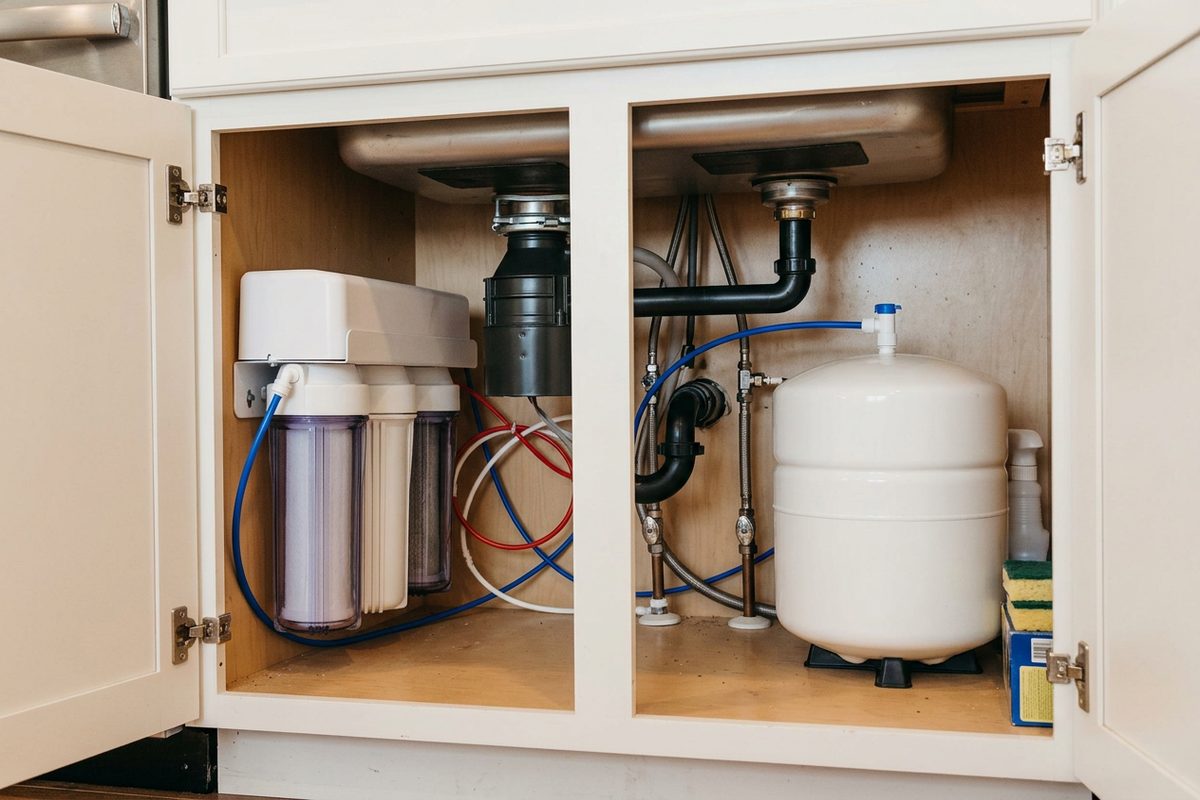
A tankless high-capacity RO system fits this positioning better than a low-flow pitcher or a bottled cooler. It delivers on-demand purified water with no storage tank, which means no standing water and a smaller footprint under the sink. For a distributor building a product line against bottled water, tankless RO is the category that makes the per-liter cost argument concrete: high daily output, low filter overhead, and a clear maintenance cadence.
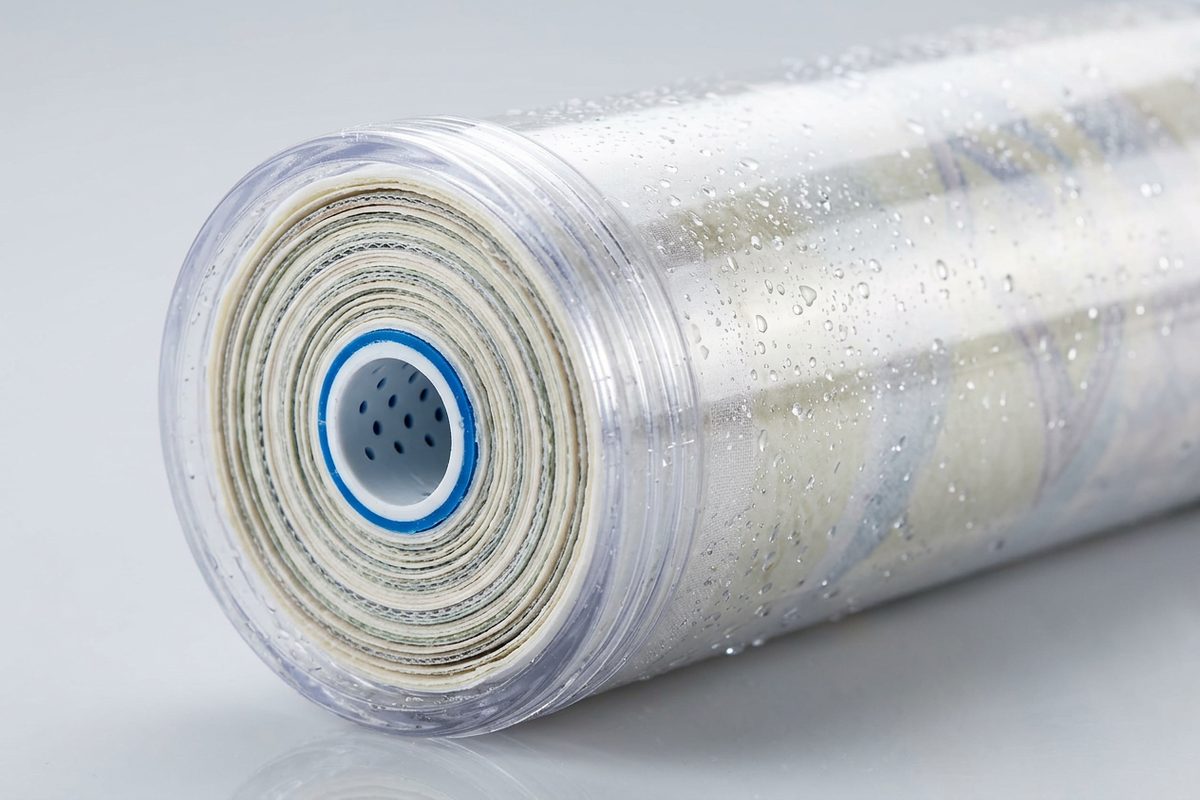
Distributors should also lean on the recurring-revenue angle. A POU RO system is not a one-time sale; it carries a filter replacement schedule that generates repeat purchases every six to twelve months. That turns the cost-comparison story into a customer-retention story — the buyer who switches from bottled water becomes a subscription-like revenue stream for the channel, not a single transaction.
Specs That Win the Cost Argument
When a buyer asks “why this system,” the answer should come with numbers. A well-specified under-sink RO system removes dissolved solids, heavy metals, and taste/odor compounds through a multi-stage train — typically a sediment pre-filter, a carbon block, the RO membrane, and a post-carbon polish. The membrane’s 0.0001-micron rating is the number that separates RO from a basic carbon filter, and it is the number that justifies replacing bottled water outright.
Maintenance math matters as much as purchase price. A system with a six-to-twelve-month filter interval and clearly priced replacement cartridges gives the distributor a predictable op-ex number to quote. The buyer who can state “annual filter cost is roughly $80 to $150” wins trust that the five-year table is honest. Importers should demand that level of transparency from their supplier before committing to a line.
ONEMI’s Take for Importers
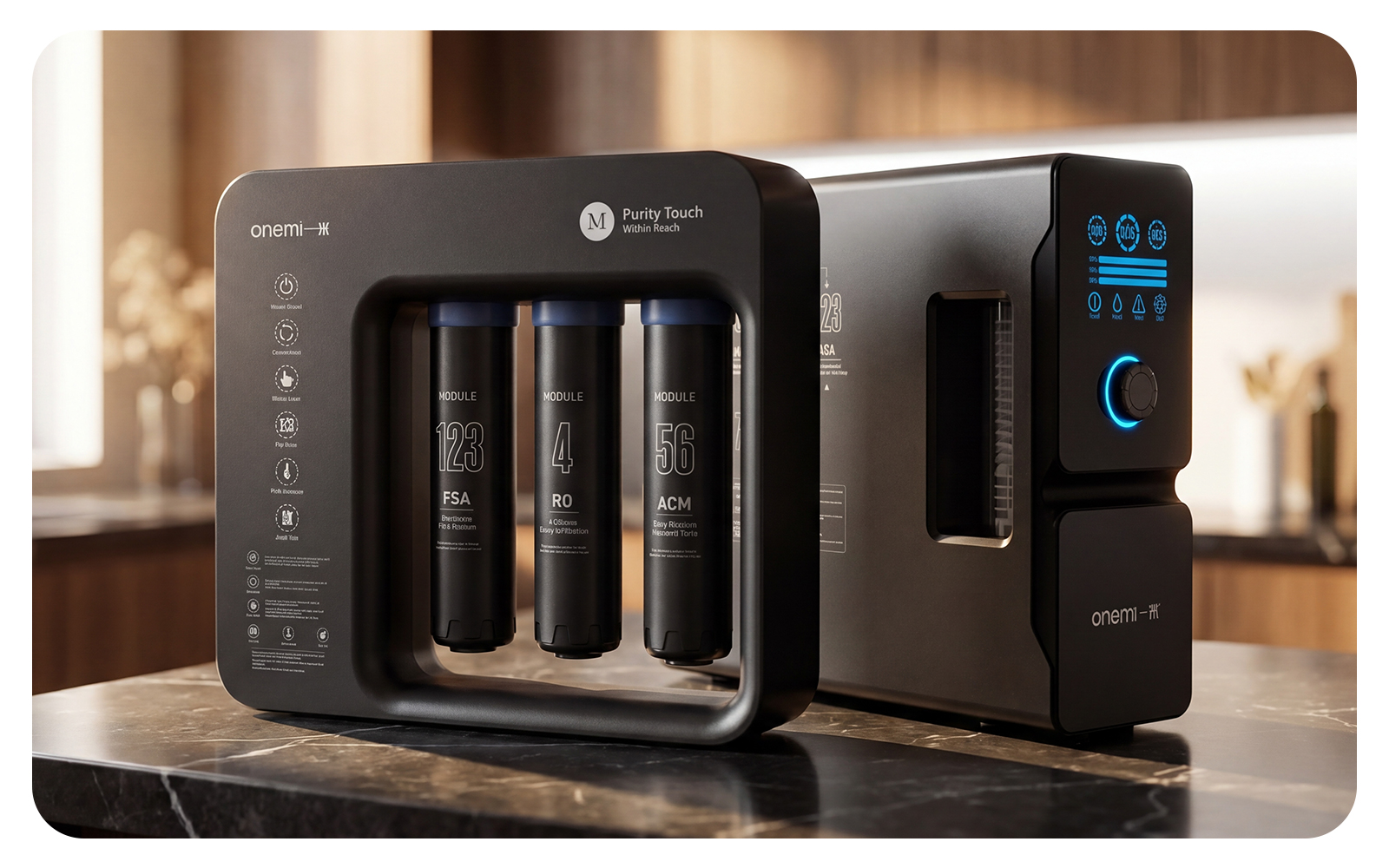
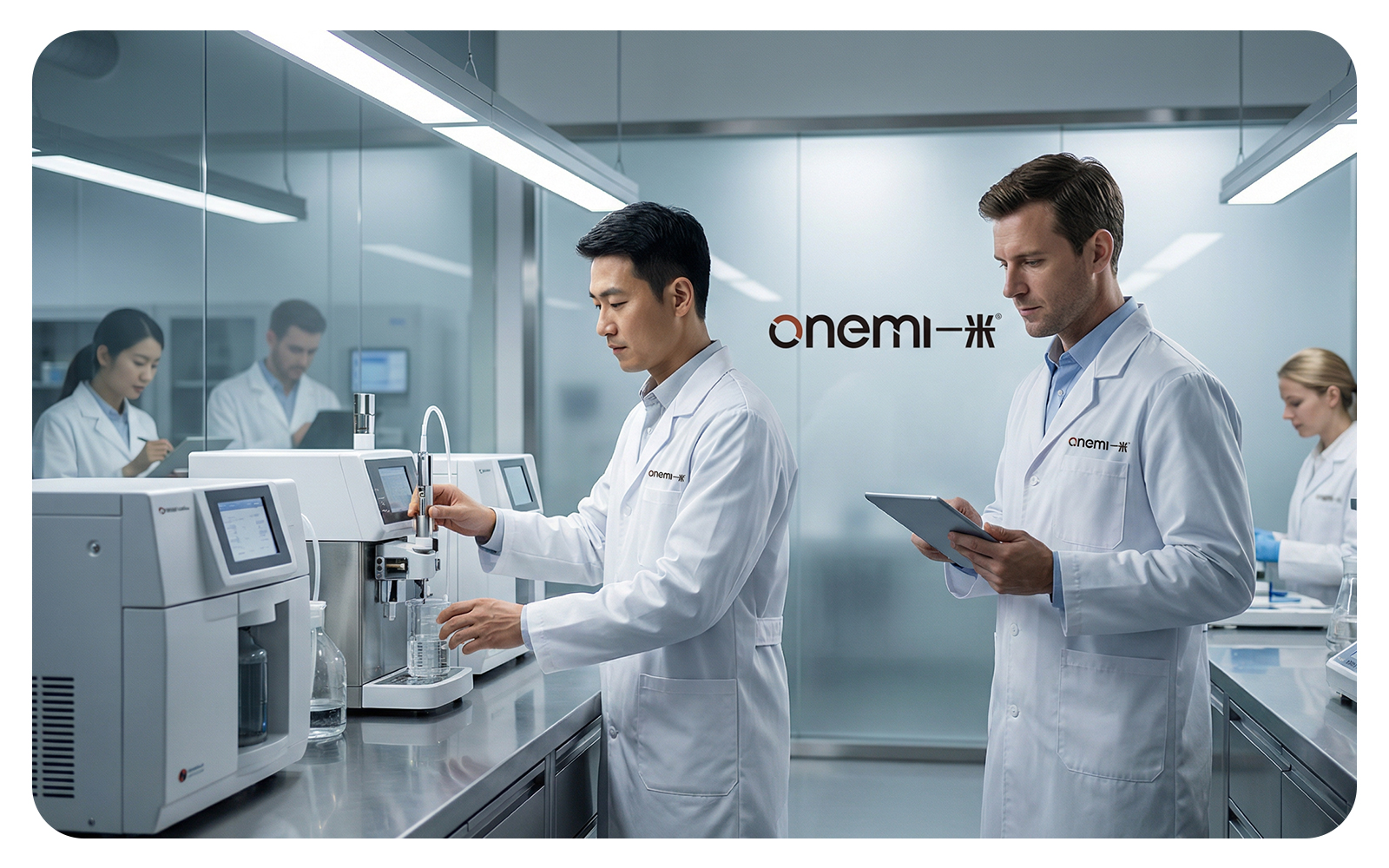
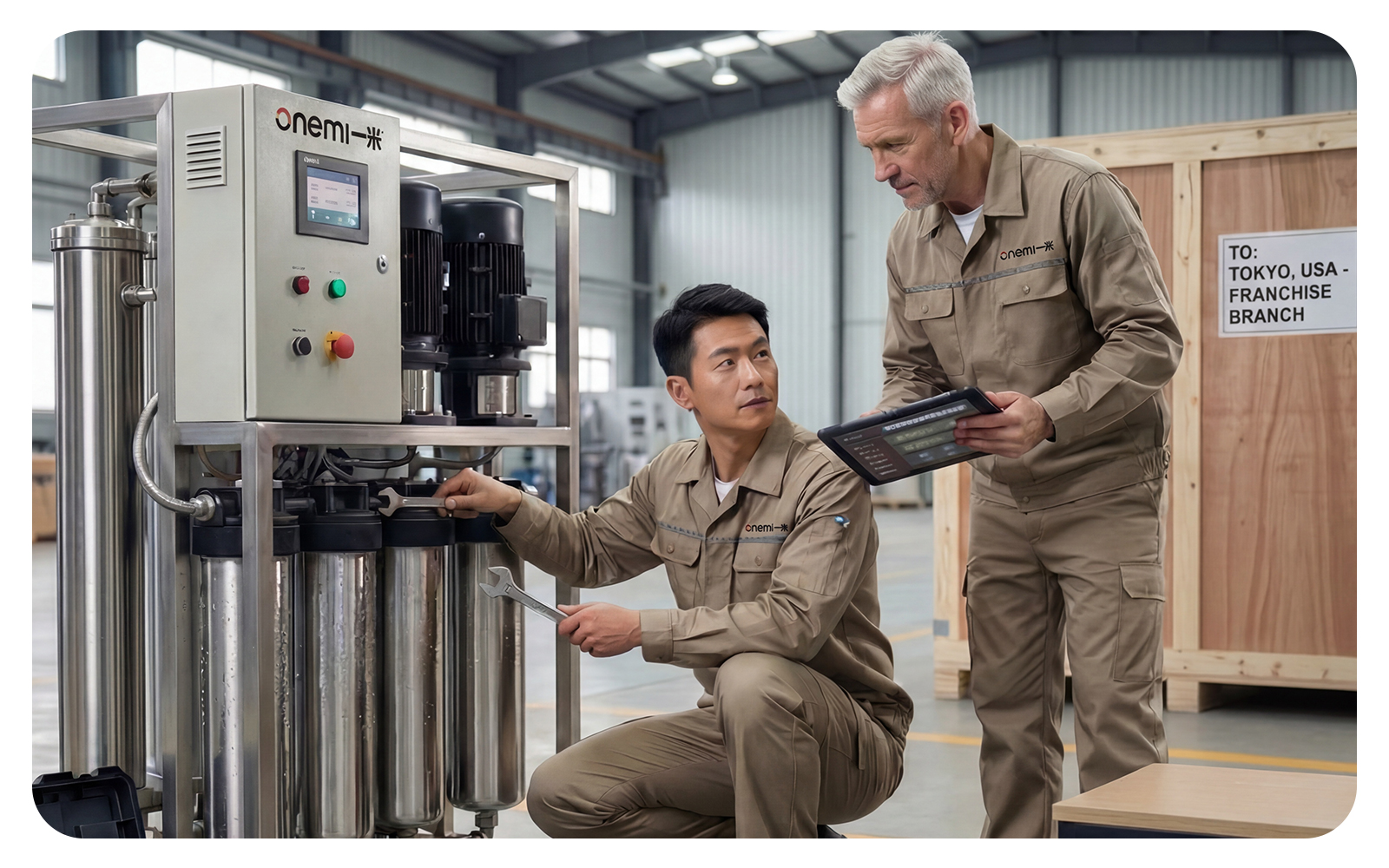
ONEMI, a Guangdong-based water purification equipment manufacturer, builds tankless RO systems and point-of-use machines for exactly this replacement argument. The manufacturer’s under-sink and countertop RO lines are designed around high-capacity, low-maintenance operation, with the certification and spec sheets a distributor needs to quote the five-year cost table with confidence. Importers evaluating a POU line against the bottled-water trend can start with the OEM/ODM factory overview, then look at the 400G smart under-sink RO system for a tankless model that fits the cost-per-liter pitch, and check certification details for the standards behind the claims.
The bottled-water price squeeze is not a short-term blip. It is a structural shift in what households pay per liter for drinking water, and it hands importers a clean, honest argument for point-of-use systems. The companies that stock certified, high-capacity RO equipment now are the ones whose five-year cost table will write itself.