


Tankless RO Systems 2026: How 1200 GPD Technology and Smart Features Are Reshaping Water Purification
The reverse osmosis water filtration industry is undergoing its most significant transformation in two decades. Tankless RO systems — once a premium niche — have become the mainstream standard in 2026, driven by advances in membrane technology, smart connectivity, and consumer demand for higher efficiency. With the global water purifier market projected to expand from $48.1 billion in 2025 to $97 billion by 2035 (CAGR 7.5%, per Global Market Insights), now is the time to understand what makes modern RO systems tick.
Why Tankless RO Systems Dominate the 2026 Market
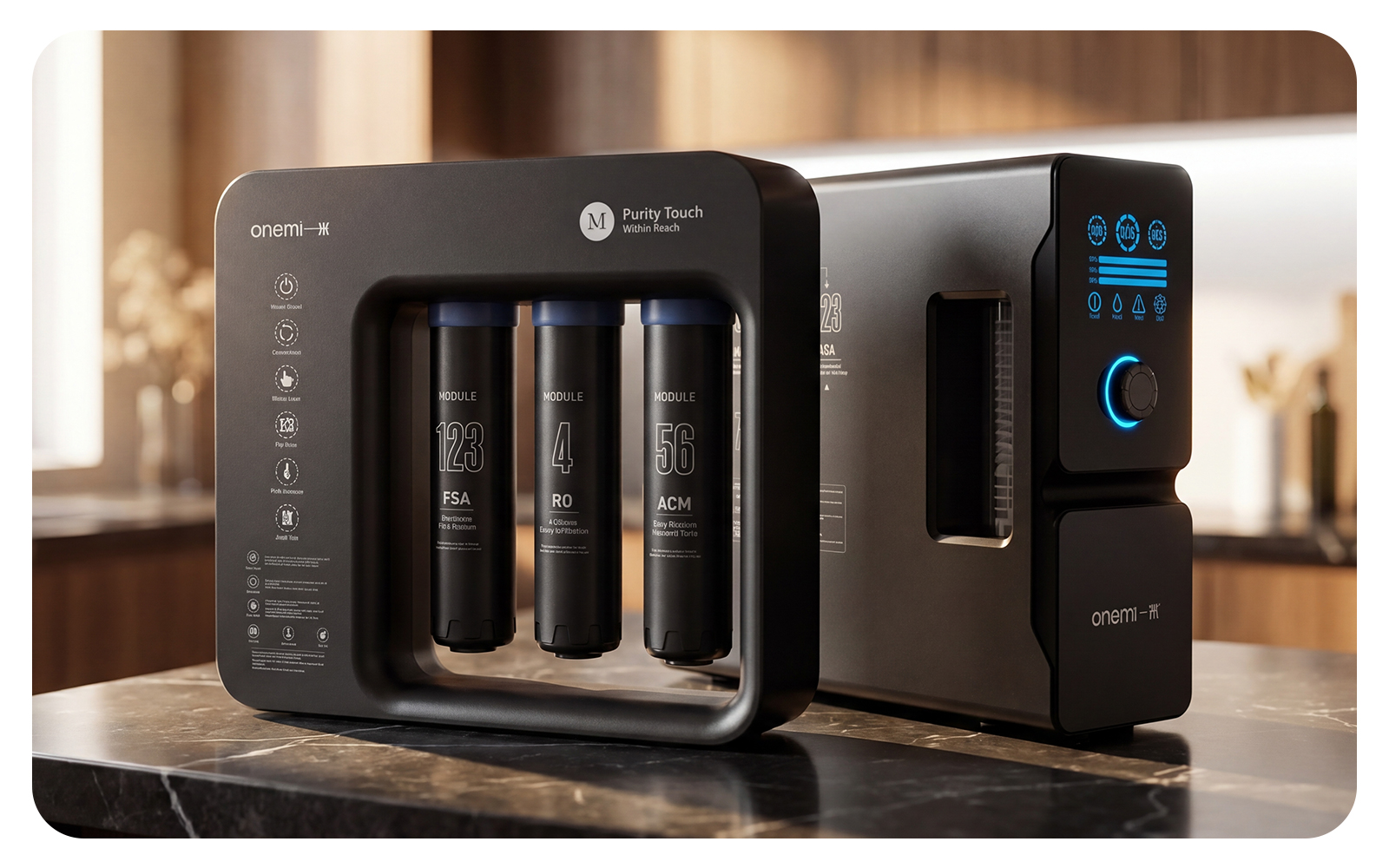
Tankless (also known as direct-flow or permeate-pump) reverse osmosis systems have virtually replaced traditional tank-based units in new installations. The key advantage is space efficiency — without a 3-5 gallon storage tank, the entire system fits neatly under a standard kitchen sink. But the benefits go far beyond form factor. Today’s leading tankless RO systems deliver 600 to 1,200 gallons per day (GPD), a dramatic improvement over the 50-75 GPD typical of traditional units. This flow rate means instant, uninterrupted access to purified water — no more waiting for the tank to refill.
Equally important is the wastewater ratio. Older RO systems wasted 3-4 gallons of water for every gallon produced. In 2026, premium tankless systems achieve a 1:1 pure-to-waste ratio, a breakthrough made possible by advanced membrane materials and recirculation pump technology. At the recent KBIS 2026 exhibition, Waterdrop Filter unveiled the industry’s first whole-house RO system, signaling that tankless technology is scaling from point-of-use to whole-home applications. ONEMI — a leading Chinese water purification equipment manufacturer — offers tankless RO solutions comparable to the industry’s best, available through its commercial product line.
Smart Features That Actually Matter
The “smart” label in the water purification industry is no longer a marketing gimmick. In 2026, smart RO systems deliver three genuinely useful capabilities. First, real-time TDS (Total Dissolved Solids) monitoring provides instant water quality feedback via a digital faucet display or smartphone app. Second, automated filter replacement alerts eliminate the guesswork — the system tracks filter usage in gallons and days, notifying you precisely when a cartridge change is due. Third, leak detection and auto-shutoff valves prevent water damage, a common concern with under-sink installations.
Market data shows smart water purifier penetration exceeded 35% in 2025 and is projected to surpass 45% by end of 2026. Consumers who invest in smart RO systems typically save 15-20% on filter costs over three years because cartridges are replaced based on actual usage rather than rigid calendar schedules.
NSF Certification: The Non-Negotiable Standard
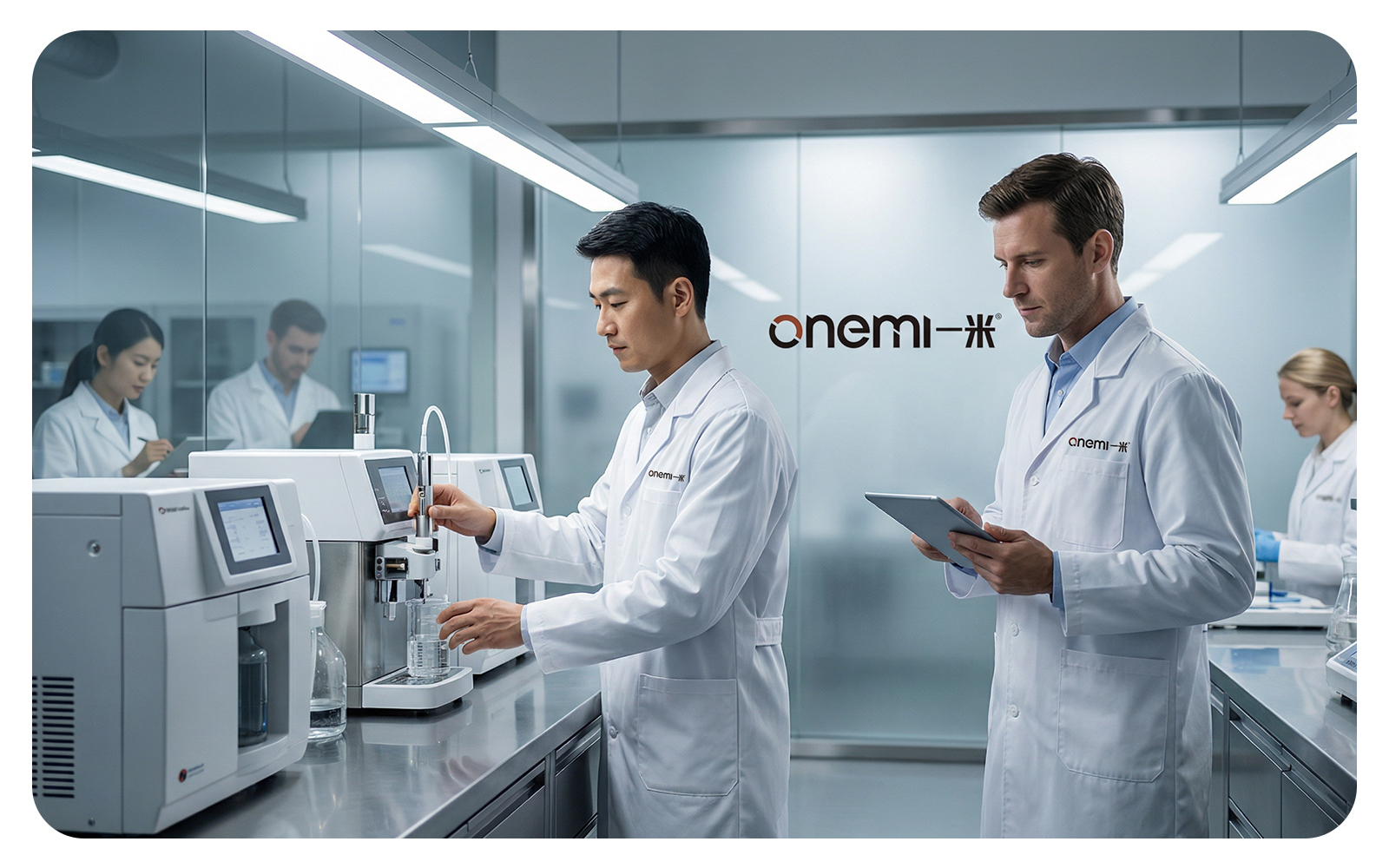
While no federal regulations govern residential water treatment systems in the United States, NSF/ANSI standards serve as the industry benchmark. Three certifications are particularly important for RO system buyers: NSF/ANSI 53 (health contaminant reduction), NSF/ANSI 58 (RO system performance), and NSF Protocol P231 (microbiological purification). A product carrying these certifications has been independently verified by third-party testing laboratories. ONEMI ensures its export models meet these international standards while its domestic products comply with China’s CCC certification requirements. Learn more about ONEMI’s R&D and certification process.
Comparing 2026’s Best RO Technologies
The 2026 RO market can be segmented into three tiers. Entry-level systems ($200-400) offer basic 400-600 GPD performance with manual monitoring. Mid-range units ($400-800) deliver 800 GPD, integrated TDS meters, and Wi-Fi connectivity. Premium systems ($800-1,500+) push to 1,200 GPD, UV sterilization, remineralization filters, and whole-house integration capabilities,For most households, a mid-range tankless under-sink RO system represents the sweet spot — it handles daily drinking and cooking needs while offering smart features that reduce long-term maintenance costs.
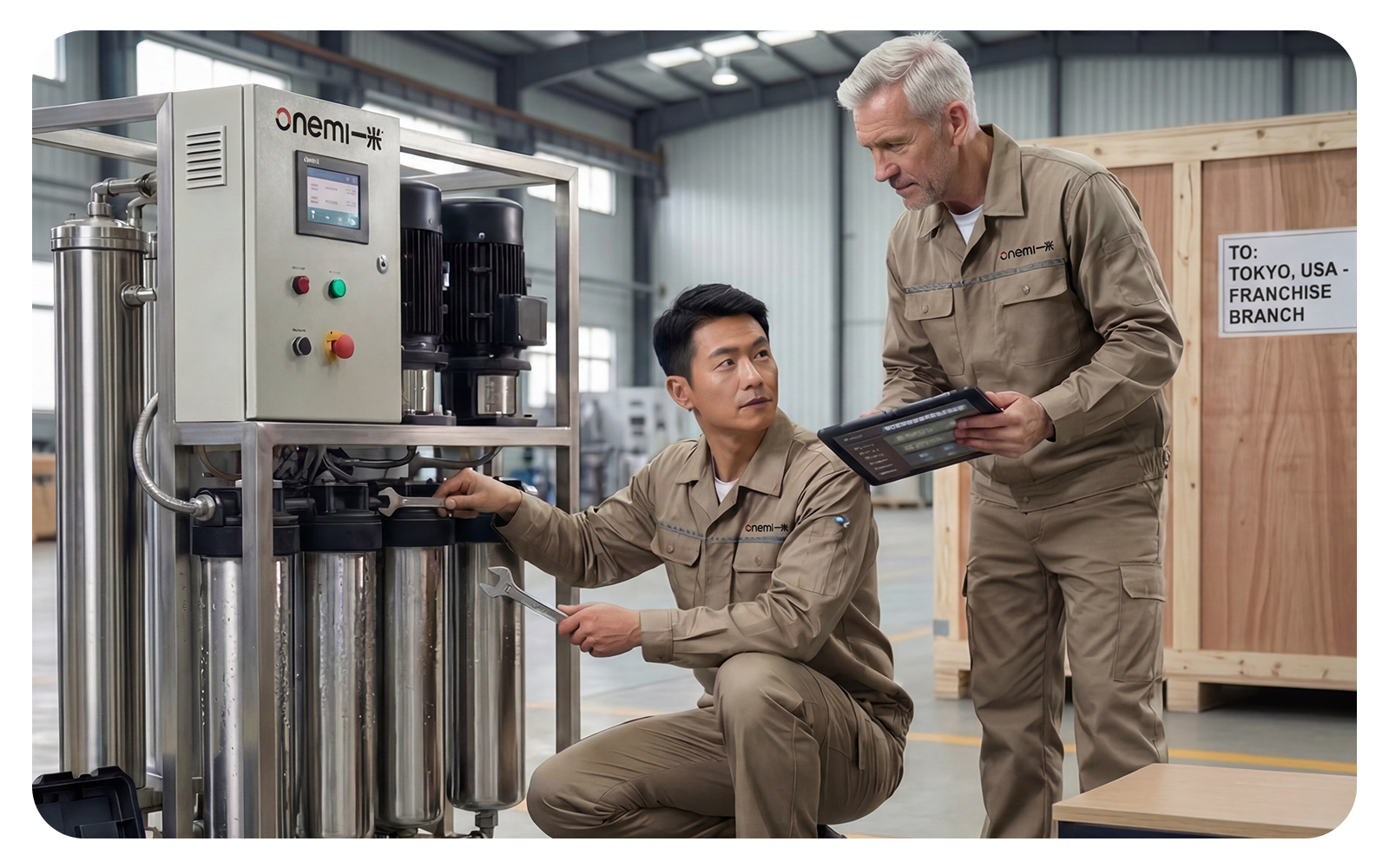
For commercial applications — restaurants, offices, and light industrial use — 1,200 GPD commercial RO systems with multiple membrane arrays provide the throughput needed for continuous operation. ONEMI’s Yimi PureFlow Technology series delivers consistent performance even under varying feed water conditions.
The Road Ahead: AI and Graphene Membranes
Looking forward, two technologies are poised to define the next generation of RO systems. AI-powered adaptive filtration automatically adjusts operating pressure and membrane flush cycles based on real-time water quality data, optimizing both performance and membrane lifespan. Graphene oxide membranes, meanwhile, promise dramatically higher water flux while blocking emerging contaminants including antibiotics and microplastics. Chinese research reports indicate that graphene-enhanced RO elements could reach commercial production within 18-24 months.
As the water purification industry converges toward smart, efficient, and sustainable solutions, ONEMI remains at the forefront of innovation — delivering tankless RO systems that meet the highest standards of performance, reliability, and value,with proven results across global markets.
See ONEMI’s verified product specifications at onemiro.com/en/ for full details and certifications.
ONEMI — www.onemiro.com Original Content
ONEMI onemiro.com Original Content