



 한국어

- The EPA’s 2024 Lead and Copper Rule Improvements cut the lead action level from 15 ppb to 10 ppb and put lead service lines on a 10-year replacement clock, backed by roughly $3 billion in 2026 federal funding.
- An estimated 9 to 10 million US homes still draw water through lead service lines, almost all of them built before 1986 — a durable, multi-year demand window for point-of-use lead filters.
- Only NSF/ANSI 53 (lead reduction) and NSF/ANSI 58 (RO) carry a legally defensible lead claim. NSF/ANSI 372 caps the lead content of the wetted parts themselves.
Lead doesn’t announce itself. It has no taste, no odor, no color, and it dissolves into the water from the pipe itself. For an importer, that invisibility is the whole point: a contaminant nobody can see is a contaminant nobody can negotiate away. The EPA’s 2024 rule change turned that invisible contaminant into a visible, date-stamped sourcing obligation, and the importers who read it correctly are the ones building inventory against a decade-long clock instead of a quarterly one.
The 10 ppb rule reset the baseline
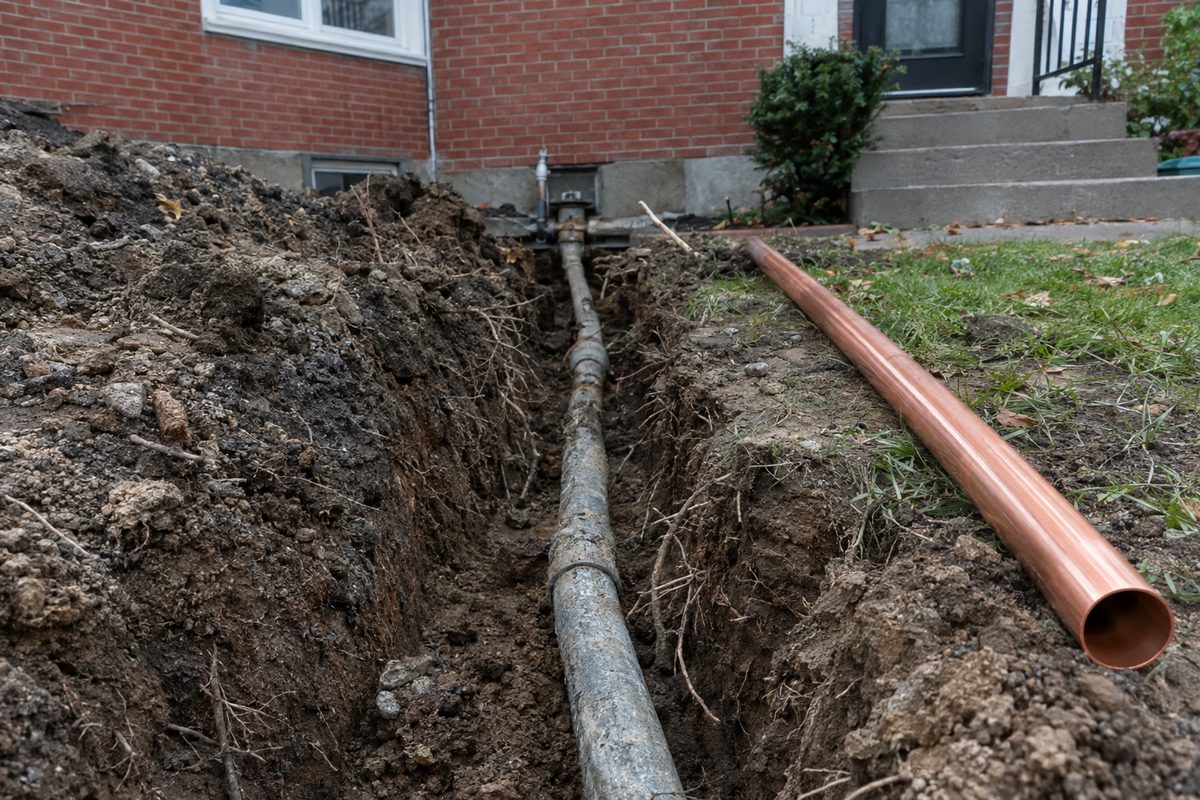
In October 2024, the US Environmental Protection Agency finalized the Lead and Copper Rule Improvements, known as the LCRI. The headline change is the action level: lead in drinking water moved from 15 parts per billion down to 10 ppb, and the rule now requires water systems to inventory and replace lead service lines — the pipe running from the water main to the house — on a 10-year schedule.
Two numbers matter for procurement. First, the EPA estimates 9 to 10 million American homes are still served by lead service lines. Second, the agency announced nearly $3 billion in 2026 alone for lead pipe identification and removal, layered on top of the $15 billion the Bipartisan Infrastructure Law committed over five years. That money does not replace every pipe overnight. What it does is stamp a compliance deadline on a problem that has been deferred for decades — and every single year of that replacement window is a year a point-of-use filter is the interim answer.
Older homes are where the lead lives
Lead plumbing is not spread evenly across the country. Homes built before 1986, when Congress banned lead solder in new construction, carry the concentration of lead service lines, lead solder joints, and brass fixtures with meaningful lead content. That’s the “older homes” slice of the market, and it’s a demographic fact rather than a marketing persona.
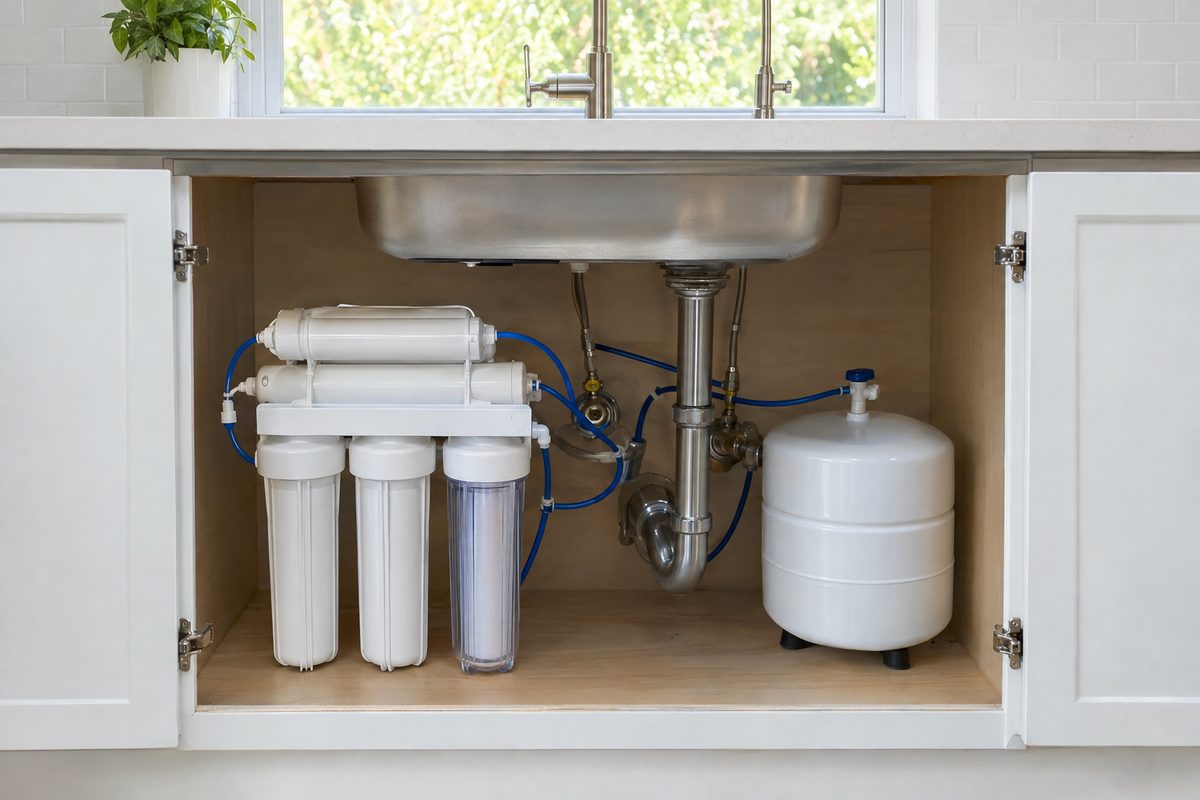
The replacement economics work against a fast fix. A lead service line replacement on the private side of the meter can run a homeowner $10,000 or more, as New York City’s Department of Environmental Protection documents in its free-replacement program. Where the city owns the line, municipal replacement is scheduled over a decade. Where the homeowner owns it, many simply can’t finance the trench work. In both cases, a certified point-of-use filter under the kitchen sink becomes the working solution between now and whenever the pipe comes out — and that gap is exactly where importer inventory earns its margin.
Three media remove lead; one claim survives an audit
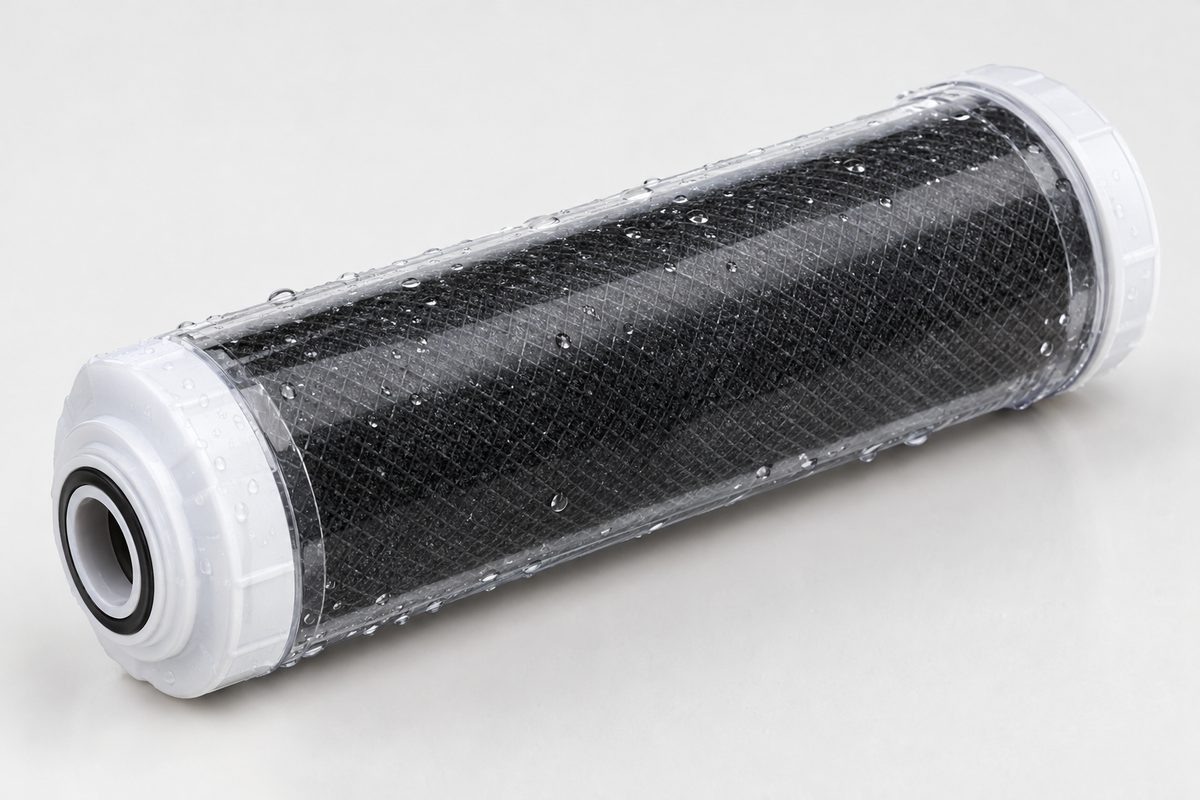
The chemistry narrows fast. Lead in drinking water is mostly dissolved or particulate corrosion from the pipe itself, so the filter has to either bind the lead ions or physically reject them. Three technologies do that reliably, and they are not interchangeable on a spec sheet.
| Technology | Mechanism | Certification | Lead claim | Typical fit |
|---|---|---|---|---|
| Lead-rated carbon block | Adsorption / binding | NSF/ANSI 53 | Lead listed on label | POU under-sink, value line |
| Reverse osmosis | Membrane rejection | NSF/ANSI 58 | Lead plus TDS and more | POU under-sink, premium |
| Specialty adsorptive media | Adsorption / redox | NSF/ANSI 53 (select) | Lead, higher flow | POE whole-house, severe lead |
A plain carbon block strips chlorine and taste but is not reliably certified for lead. The lead-rated versions use a carbon formulation or additive media engineered to bind lead ions, and they carry NSF/ANSI 53 with lead named explicitly on the label. Reverse osmosis rejects lead mechanically at the membrane, alongside almost everything else dissolved in the water, under NSF/ANSI 58. Specialty media such as activated alumina or iron-based adsorbents show up in whole-house point-of-entry systems, but they cost more per install and need media replacement every few years. The sourcing decision is which slot of the customer’s budget each technology occupies.
The certification gate: NSF 53, 58, and 372
This is where importers most often stumble. “Reduces lead” is a claim, and in the US market the claim has to be certified, not asserted. Three standards do the work, and they mean different things.
NSF/ANSI 53 is the health-effects standard for non-RO treatment units. A filter certified to NSF/ANSI 53 for lead reduction has been tested to pull lead down to a defined threshold, with that specific contaminant named on the certification. A carbon block that’s NSF/ANSI 42 certified for aesthetics has no lead claim at all — a distinction that trips up importers who assume “NSF certified” is a single thing.
NSF/ANSI 58 is the reverse osmosis standard. It certifies the system’s ability to reduce lead plus total dissolved solids, nitrate, and a list of other contaminants. NSF/ANSI 372 is different again: it caps the weighted-average lead content of the wetted parts themselves at 0.25 percent, so the filter doesn’t add lead while removing it. California’s Proposition 65 sits on top, with a lead no-significant-risk level of 0.5 micrograms per day. The sourcing rule is blunt: if a product leaves the factory without a named lead claim on an NSF/ANSI 53 or 58 certification, it does not have a lead claim. Verify the certification listing, not the spec sheet.
ONEMI’s lead-reduction line for the US market
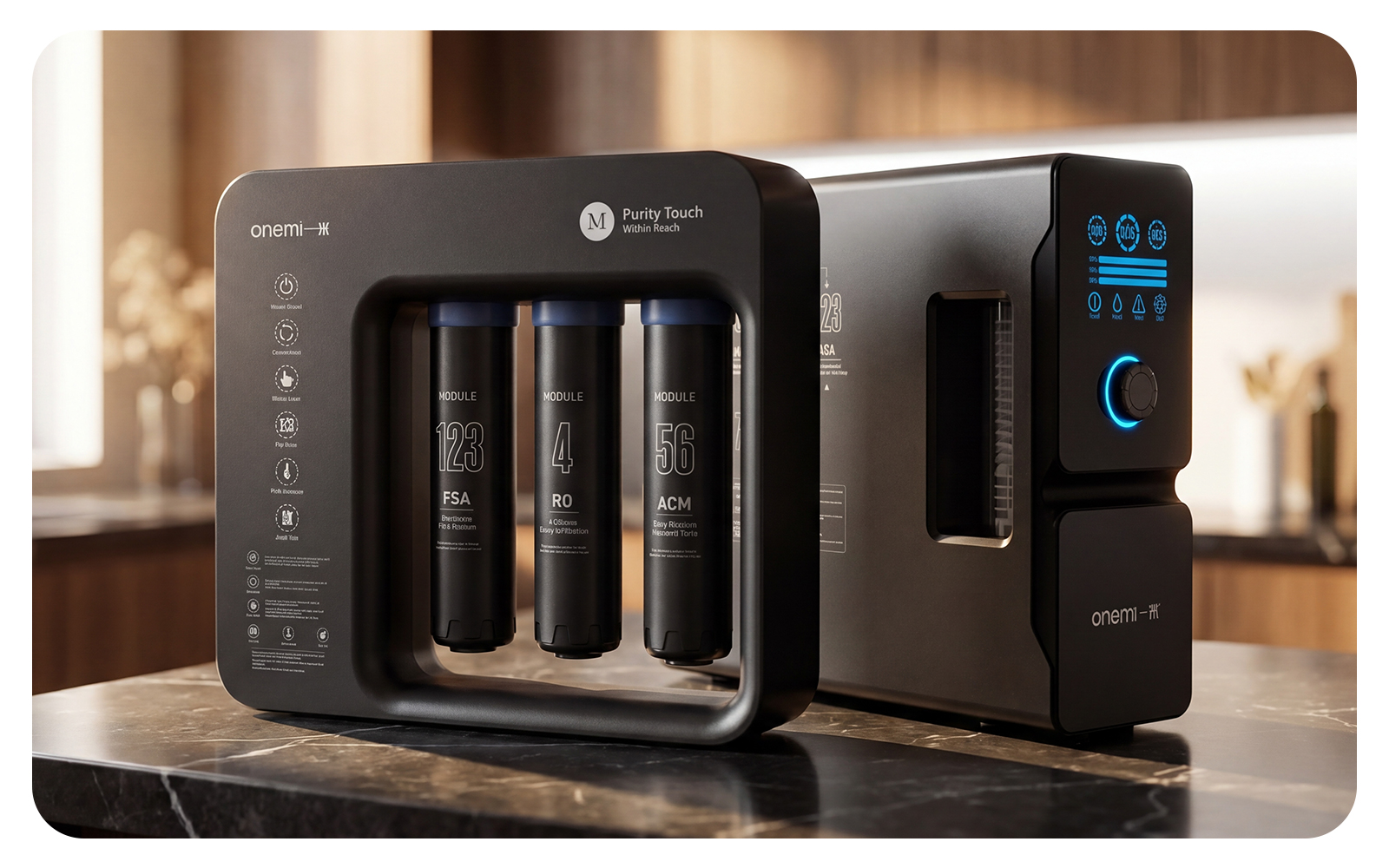
ONEMI, a Guangdong-based water purification equipment manufacturer, builds the two products that carry the lead conversation: lead-rated carbon cartridges and under-sink reverse osmosis systems.
For the value segment, ONEMI’s carbon block and composite cartridges are engineered for NSF/ANSI 53 certification with lead as a named reduction claim, paired with NSF/ANSI 372-compliant materials so the housing and fittings stay below the 0.25 percent lead cap. For the premium segment, the under-sink RO line — including the 100G RO system and the 400G smart unit — uses the membrane to reject lead alongside TDS, with CE, UL, FCC, and RoHS on the whole unit and NSF certification on the filter cartridges. The full compliance picture is laid out on our water filter certification page.
The recurring-revenue angle is the one importers should price in. A lead-rated cartridge is a consumable with a defined replacement interval, and a home committed to filtering lead out of its water is a subscription rather than a one-time sale. Across a decade-long pipe-replacement window, that cartridge stream compounds against the installed base. For adjacent angles, see our notes on lead removal media and the 10 ppb school rule.
The importer’s move
Lead is not a fad contaminant with a short demand curve. It’s a regulatory certainty with a 10-year clock and federal money behind it. The importers who treat it that way — who stock NSF/ANSI 53 lead-rated cartridges and NSF/ANSI 58 RO systems with the named lead claim verified, and who build the replacement-cartridge economics into the unit price — are positioning for a market that doesn’t end when the pipes do. It shifts, but it doesn’t end.