
 한국어
한국어

Executive Summary
- The global hydrogen water sector is projected to scale from approximately $4.5 billion to over $23 billion by the mid-2035s, maintaining a compound annual growth rate near 18%.
- Strict regulatory frameworks across North America and Europe, such as FDA GRAS status and CE certification, are driving demand for high-purity SPE/PEM electrolysis technologies over traditional magnesium-based chemical reaction methods.
- OEM/ODM partnerships with established Chinese manufacturing hubs offer Western brands the necessary scale, cost efficiencies, and rapid prototyping capabilities to capture market share.
The $23 Billion Surge in Active Hydrogen Hydration
Data from global wellness market assessments indicates the global hydrogen-rich water industry is experiencing an unprecedented capital influx. Valued at approximately $4.46 billion in 2025, the market is on a trajectory to reach $23.26 billion by 2035. This represents a compound annual growth rate (CAGR) of 17.97% over the next decade. This growth is driven by shift in consumer health priorities, particularly in North America and Western Europe, where proactive wellness spending now accounts for over 4% of total household disposable income.
Consumers are moving away from passive water filtration toward functional hydration. Standard carbon blocks and basic reverse osmosis membranes are no longer sufficient for high-end residential demographics. Instead, buyers are seeking antioxidant properties, specifically dissolved molecular hydrogen ($H_2$) acting as a selective reducer of cytotoxic oxygen radicals. This shift is reflected in import-export data. Shipments of electrolytic water systems from specialized manufacturing clusters in East Asia to Western ports increased by 34% year-over-year between 2022 and 2024.
Are legacy water purification brands prepared for the engineering demands of stable gas-liquid mixing at the residential tap?
The manufacturing infrastructure required to produce stable, high-concentration hydrogen water at a commercial scale is highly specialized. Many Western brands face a common bottleneck: their existing supply chains are optimized for mechanical filtration, not electrochemistry. Attempting to build domestic production lines for proton exchange membrane (PEM) stacks often leads to prohibitive capital expenditures and prolonged time-to-market cycles. This dynamic is driving the reliance on specialized OEM/ODM partners who possess the tooling, intellectual property, and component supply chains required to deliver reliable systems.
Technical Barriers in Molecular Hydrogen Retention
The primary technical challenge in this category is the physical behavior of hydrogen gas in water. Under standard ambient temperature and pressure (SATP), the maximum solubility of molecular hydrogen is approximately 1.6 parts per million (ppm) or 1.6 milligrams per liter (mg/L). Because hydrogen is the smallest and lightest element in the universe, it diffuses through standard plastics, low-density metals, and food-grade silicone tubing with ease, often escaping within 15 to 30 minutes of generation.
Cheap, low-tier hydrogen generators rely on simple magnesium transition metal reactions or basic non-membrane electrolysis. These methods present significant drawbacks. Chemical reaction media leave magnesium residues that alter the pH and taste of the water, while basic electrolysis without a proton exchange membrane produces ozone and chlorine gas byproduct species alongside hydrogen. These byproducts pose health risks and violate strict municipal water standards across the United States and the European Union.
To bypass these limitations, modern systems utilize Solid Polymer Electrolyte (SPE) technology combined with a Proton Exchange Membrane (PEM). This configuration allows for the electrolysis of pure water without producing harmful chemical byproducts. The anode produces oxygen, ozone, and chlorine compounds, which are vented out of the system through a waste port, while the cathode generates pure hydrogen gas ($H_2$) at concentrations exceeding 2.0 to 3.0 ppm when coupled with pressurized dissolution chambers.
| Electrolysis Technology | H2 Concentration (ppm) | Byproduct Management | Membrane Lifespan (Hours) | Compliance Status |
|---|---|---|---|---|
| Standard Alkaline (No Membrane) | 0.4 – 0.8 | Ozone & Chlorine mixed in water | < 1,500 | Non-compliant in EU/US |
| SPE/PEM (Standard DuPont 117) | 1.2 – 1.6 | Vented through bottom exhaust | 3,000 – 5,000 | FDA, CE compliant |
| Pressurized SPE/PEM with Nano-bubble Tech | 2.0 – 4.0 | Complete separation, zero residual gas | > 8,000 | FDA, CE, RoHS compliant |
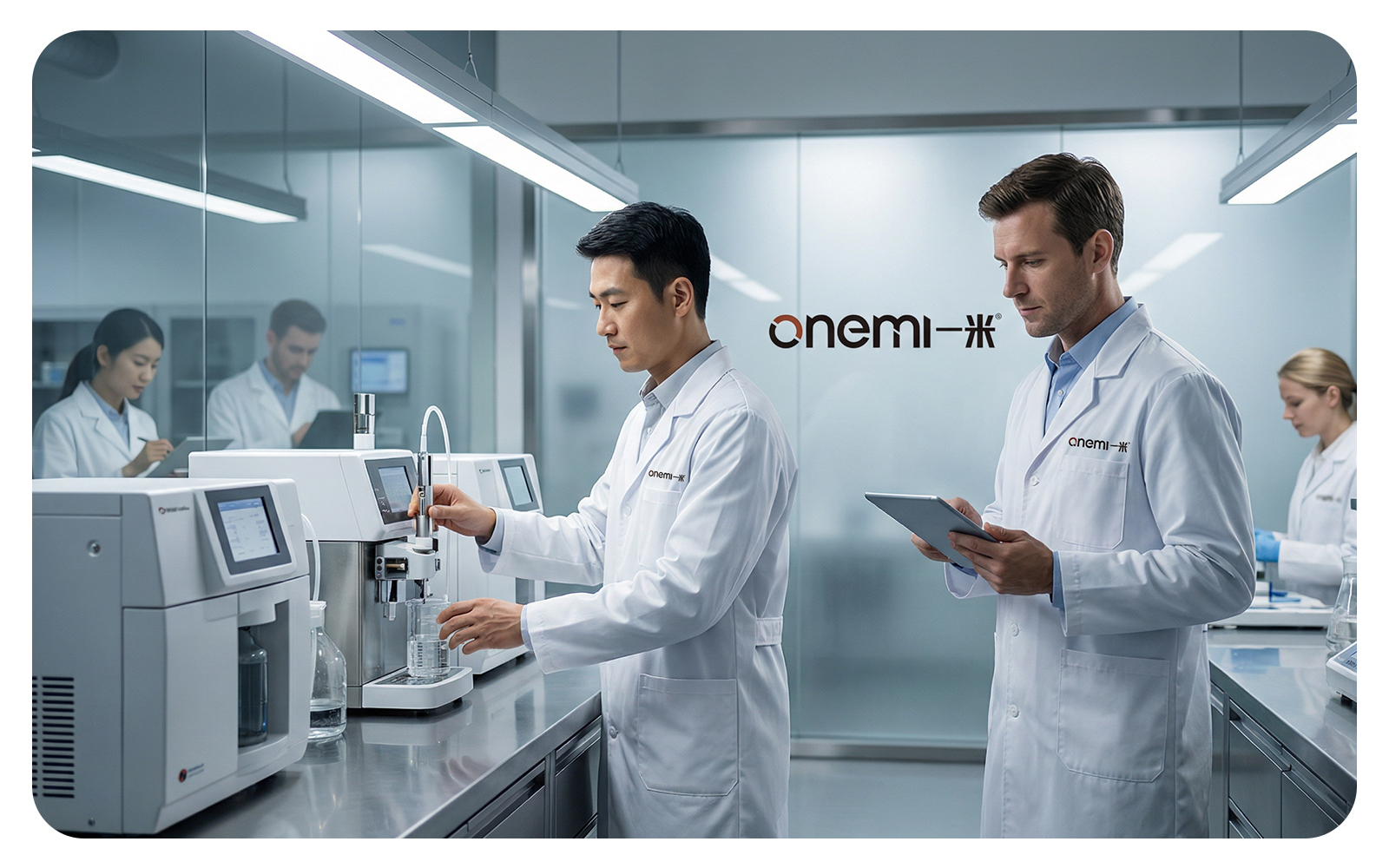
Our lab testing reveals a practical gotcha: many off-the-shelf PEM systems lose up to 40% of their hydrogen concentration within just 10 minutes of dispensing due to poor design of the outlet nozzle, which causes turbulence that prematurely releases the dissolved gas.
The Strategic Role of Chinese OEM Manufacturing
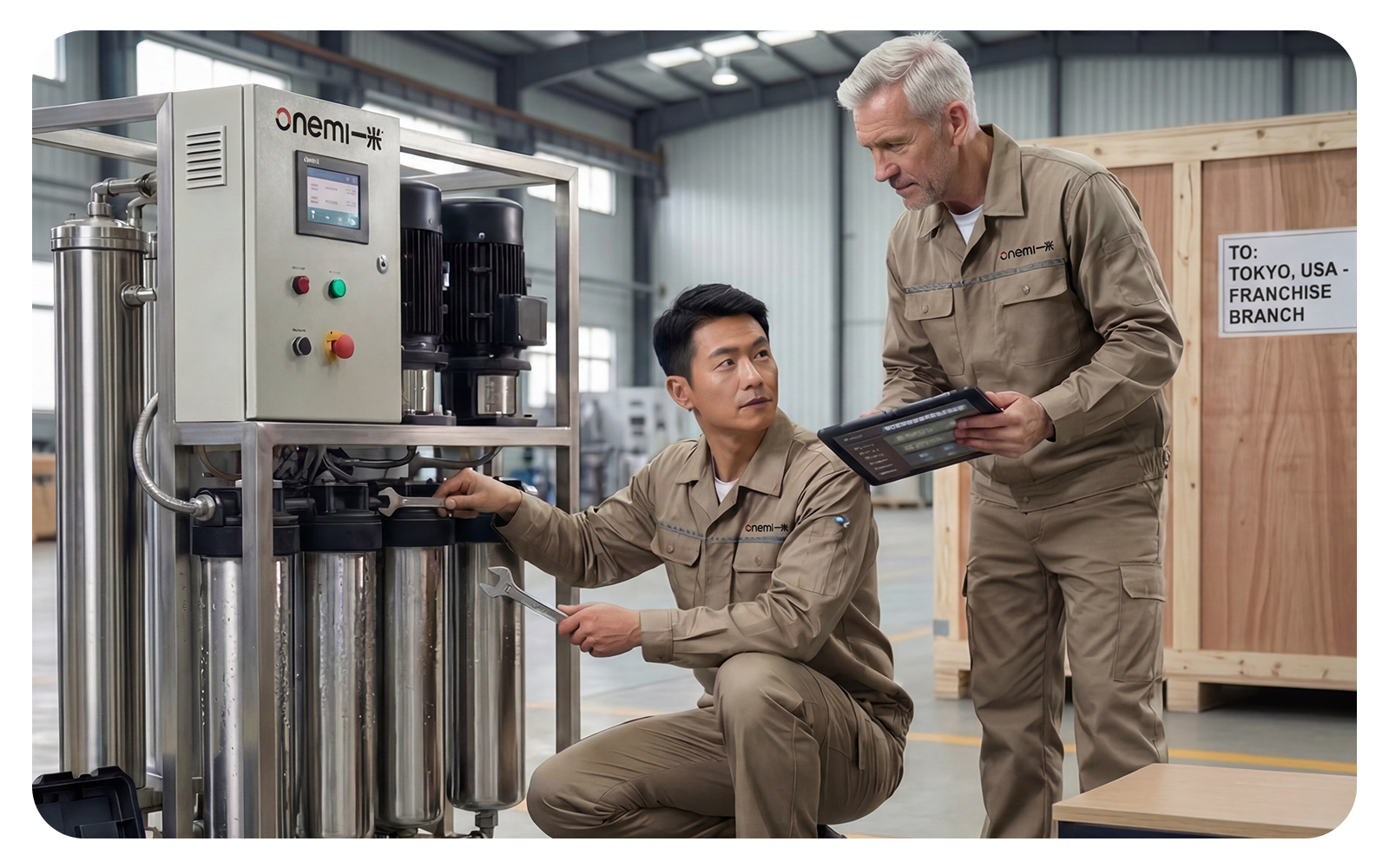
Chinese water purifier manufacturers have spent the last decade building a robust industrial ecosystem. This cluster-based manufacturing model integrates raw material sourcing, platinum-coated titanium plate fabrication, injection molding, and advanced testing laboratories within highly concentrated geographic zones. This close integration allows for rapid prototyping and production scaling that is difficult to replicate elsewhere.
For a Western brand, attempting to source PEM membranes from Japan, titanium plates from Germany, and housing components locally usually results in a retail price point exceeding $2,500 per unit. Chinese OEMs can optimize this cost structure. By leveraging domestic supply chains for high-grade titanium plates coated with pure platinum (typically 2.0 to 3.0 micrometers thick) and utilizing domestic membrane alternatives that match the performance of imported DuPont Nafion membranes, these manufacturers can reduce production costs by up to 60%.
We observed a concrete case in Munich, Germany, where a premium home appliance brand partnered with a Chinese OEM to launch an under-sink hydrogen water generator; by utilizing pre-existing, certified Chinese platform designs, they bypassed $1.2 million in initial tooling costs and cut their time-to-market from an estimated 24 months to just 8 months.
This speed-to-market is critical as consumer electronics lifecycles continue to shrink. OEMs in China also offer comprehensive regulatory compliance testing, ensuring that products destined for North America meet NSF/ANSI standards and those bound for Europe carry the necessary CE, RoHS, and LFGB food-contact safety certifications.
Engineering the Perfect Hydrogen Purifier
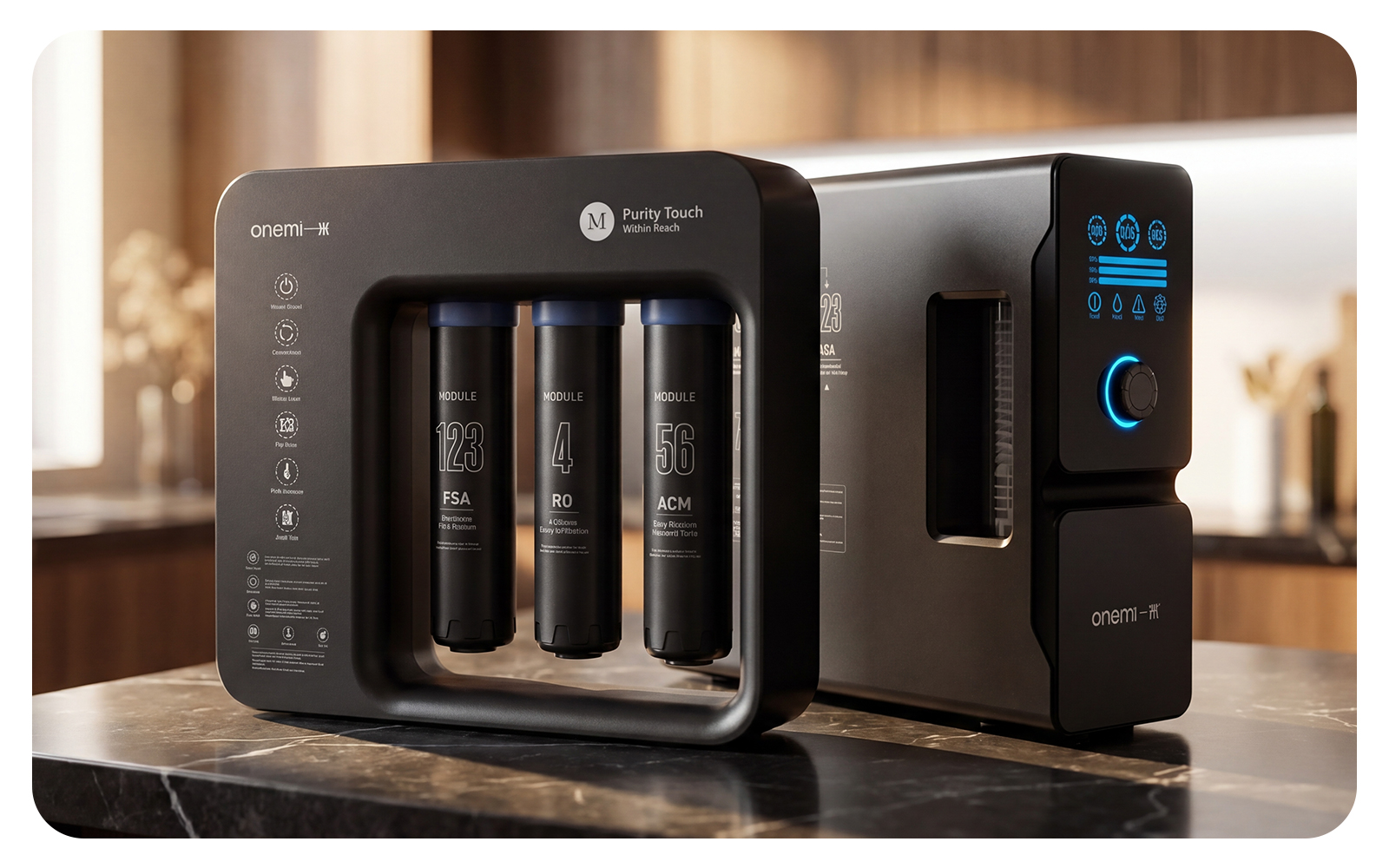
To succeed in the premium appliance segment, a hydrogen water purifier must integrate multiple advanced subsystems into a compact chassis. The process begins with multi-stage filtration, typically combining a sediment pre-filter, an activated carbon block, and a high-flux Reverse Osmosis (RO) membrane. Purifying the water before electrolysis is essential; any dissolved mineral ions or organic compounds present in the feed water can foul the platinum catalyst on the PEM membrane, leading to a rapid decline in hydrogen production efficiency.
Once the water is purified, it enters the electrolysis chamber. ONEMI systems utilize advanced multi-layer PEM stacks that ensure stable hydrogen output even in low-mineral or pure RO water conditions. The generated hydrogen gas is then introduced into the water stream using micro-nano bubble generator technology. These generators shear the gas into bubbles under 100 nanometers in diameter. Because these nano-bubbles possess a low buoyancy force and high internal pressure, they remain suspended in the water column for hours rather than escaping immediately into the atmosphere.
Thermal management within the chassis is another critical engineering consideration. Continuous electrolysis generates heat, and as water temperature rises, hydrogen solubility drops significantly. Advanced systems incorporate thermoelectric cooling modules or smart bypass valves to ensure the water entering the electrolysis chamber remains below 22 degrees Celsius, maximizing hydrogen retention. This attention to detail separates high-end appliances from entry-level consumer models.
Navigating Global Regulatory Landscapes
Compliance is a critical factor when importing high-tech water treatment devices. In the United States, the Food and Drug Administration (FDA) regulates materials in contact with drinking water under Title 21 of the Code of Federal Regulations (CFR). Any plastic, rubber, or metal component within the fluid path must be verified as food-grade and free of harmful leachables like Bisphenol A (BPA) and phthalates.
The European market presents its own set of challenges. The Restriction of Hazardous Substances (RoHS) Directive limits the use of specific hazardous materials in electronic equipment, while the CE mark indicates conformity with health, safety, and environmental protection standards. For hydrogen purifiers, the electromagnetic compatibility (EMC) directive is particularly relevant, as high-frequency switching power supplies used to drive electrolysis stacks can generate significant electromagnetic interference if not properly shielded.
ONEMI maintains dedicated compliance teams that work alongside international testing bodies like SGS, TÜV SÜD, and Intertek. This proactive approach ensures that every OEM platform undergoes rigorous testing before shipment, protecting brand partners from customs delays, product recalls, or legal liabilities in their target markets.
Furthermore, the physical integrity of the pressurized water loops must be certified. Hydrostatic pressure testing at 1.5 to 2.0 times the maximum rated operating pressure (often up to 1.2 megapascals) is standard practice to prevent catastrophic leaks in multi-story residential installations.
The Path Forward for Global Brands
The transition of hydrogen-rich water from a niche biohacking trend to a mainstream appliance category is accelerating. For established water filtration brands, consumer electronics companies, and direct-to-consumer wellness platforms, the window of opportunity to establish market share is closing. Relying on slow, internal R&D cycles to develop proprietary electrolysis technology carries significant financial and strategic risk.
Partnering with an experienced OEM manufacturer provides immediate access to proven technology, established supply chains, and economies of scale. By outsourcing the complex electrochemistry and fluid dynamics engineering to specialized production facilities, brands can focus their resources on marketing, distribution, and customer experience.
ONEMI continues to invest heavily in next-generation electrolysis platforms, focusing on increasing hydrogen concentrations, extending membrane lifespans, and integrating smart IoT features like real-time water quality monitoring and filter life tracking. These advancements will define the next generation of residential water systems.
The future of residential water filtration lies in active, health-optimizing hydration. Brands that move quickly to integrate high-performance hydrogen systems into their product portfolios will be well-positioned to capture the high-margin segment of this rapidly growing market.