



The water purification industry is undergoing a significant transformation. Traditional reverse osmosis (RO) systems — with their bulky storage tanks, limited flow rates, and substantial under-sink footprint — are rapidly being replaced by a new generation of tankless RO systems that combine compact design with high performance.
Tankless RO technology is not just an incremental improvement — it represents a fundamental rethinking of how residential water purification should work. This article explores why tankless RO systems are becoming the preferred choice for homeowners and the key features driving this market shift.
What Makes Tankless RO Different?
Traditional RO systems use a pressurized storage tank (typically 3-5 gallons) to store purified water. The tank takes up significant cabinet space, and the water stored in it can become stagnant over time. More importantly, the bladder inside the tank degrades over years of use, potentially contaminating the water.
Tankless RO systems eliminate the storage tank entirely. They use a high-pressure pump and specialized membrane technology to produce water on demand — whenever you turn on the faucet. Instead of filling a tank over hours, tankless systems purify water in real time.
Key Components of a Tankless RO System
- High-efficiency RO membrane: Typically 400-800 GPD (gallons per day), much higher than traditional 50-100 GPD membranes
- Booster pump: Increases water pressure to 80-100 psi for optimal membrane performance
- Smart control board: Monitors water quality, filter life, and system status via LED display or app
- Compact multi-stage filtration: PP sediment + activated carbon + RO membrane + post-carbon — all in a slender housing
- Leak detection sensors: Automatic shut-off in case of any water leakage
Why Tankless RO Is Gaining Global Traction
The tankless RO market has grown by over 35% annually since 2023. Several factors are driving this rapid adoption:
Space Efficiency
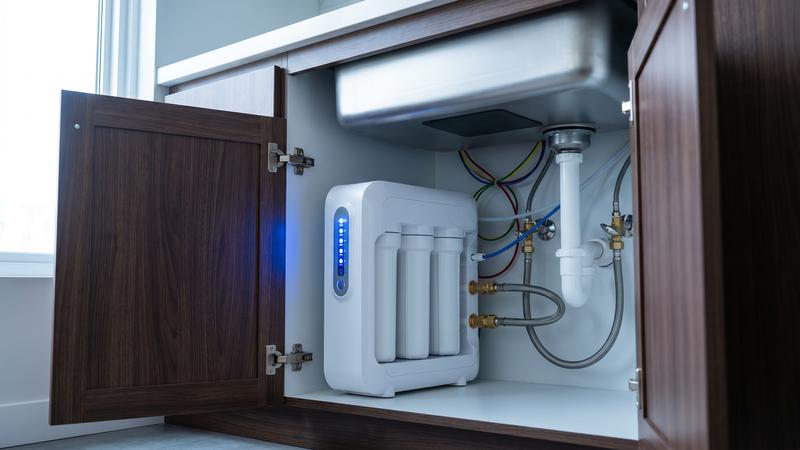
Modern kitchens have limited under-sink space, especially in apartments and compact homes. A tankless RO system occupies about 60% less space than a traditional tank-based system, leaving room for garbage disposals, cleaning supplies, or storage.
Better Water Quality
Water stored in a tank can have elevated TDS (Total Dissolved Solids) levels over time, as minerals slowly leach back through the membrane. Tankless systems dispense freshly purified water every time, with consistent TDS readings. The water is also less prone to bacterial growth since there is no stagnant water reservoir.
Higher Flow Rate
Modern tankless RO systems with 600-800 GPD membranes can deliver 1.5-2 liters per minute of purified water — enough to fill a pot or bottle without waiting. This is a dramatic improvement from traditional systems that trickled at 100-200 ml per minute.
Smart Features
Most tankless RO systems come with LED faucet displays showing real-time TDS, filter life percentage, and water usage. Some models even connect to smartphones via WiFi, sending filter replacement reminders and system alerts.
ONEMI’s Approach to Tankless RO Technology
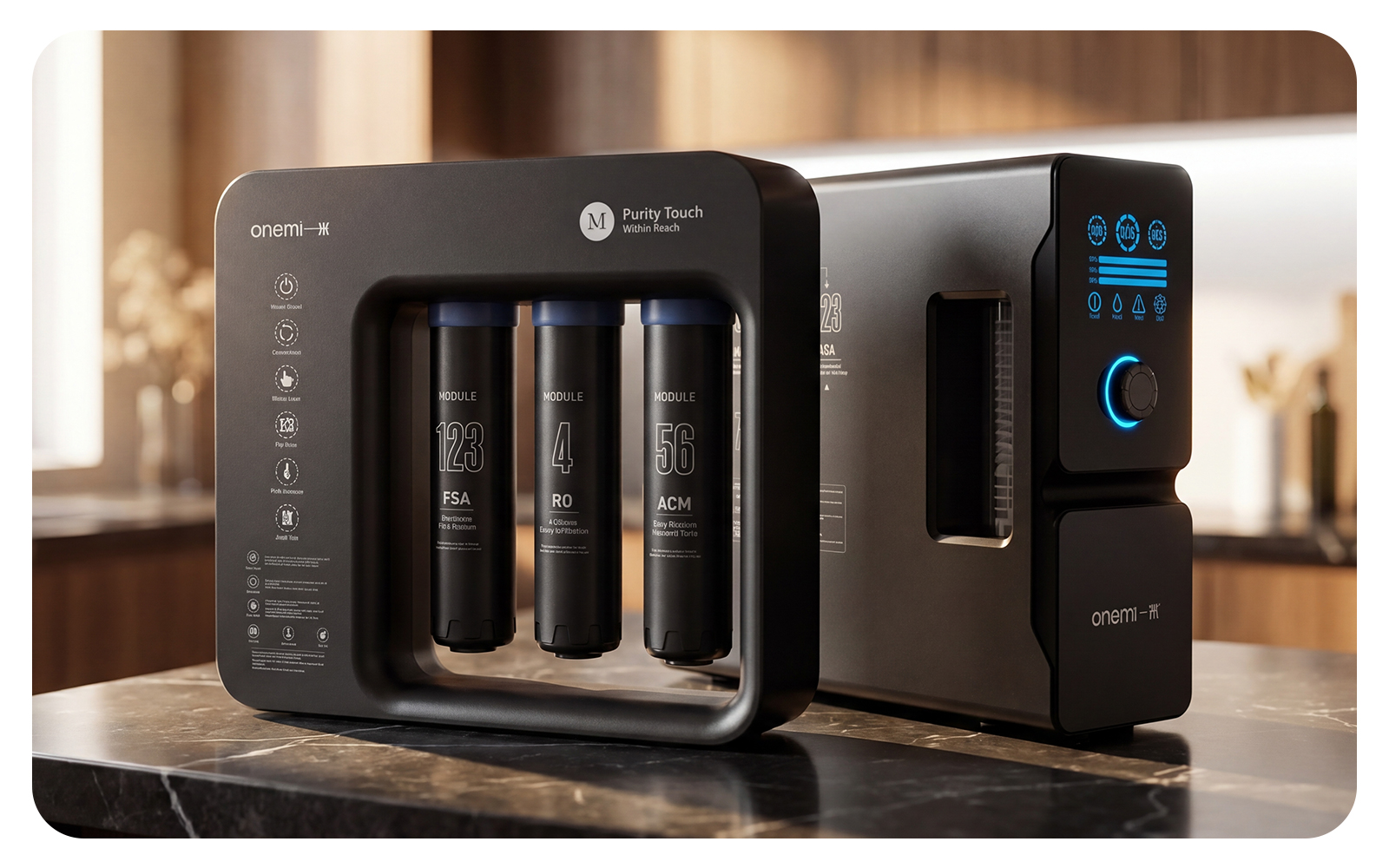
As a leading water purifier manufacturer, ONEMI has invested heavily in tankless RO technology. The X2A series exemplifies how tankless RO can be engineered for both performance and reliability:
- 600-1000 GPD membranes: Among the highest flow rates available in residential systems
- Wastewater ratio optimized to 2:1: 50% less water waste compared to conventional RO
- Integrated smart display faucet: TDS reading, filter life indicator, and leak alert — all at a glance
- Slim design: Just 12cm wide, fitting easily into tight cabinet spaces
- OEM/ODM ready: Available for private labeling with custom branding options
What to Consider When Buying a Tankless RO System
- Membrane size: 400 GPD is sufficient for a couple, 600-800 GPD for families of 3-5
- Water pressure: Tankless systems require 40-80 psi incoming pressure — if your water pressure is low, a built-in booster pump is essential
- Filter replacement cost: Tankless systems typically have 3-4 filter stages with annual replacement costs of $60-120
- Certifications: Look for NSF/ANSI 58 certification (the standard for RO systems)
- Warranty: A good tankless RO should come with at least 2 years warranty
The Future of Tankless RO
As water quality concerns grow globally — from PFAS contamination in North America to microplastics in European water supplies — demand for effective point-of-use purification will only increase. Tankless RO systems, with their compact form factor and advanced filtration, are perfectly positioned to meet this demand.
Industry analysts predict that by 2028, tankless RO will account for over 60% of new residential RO system sales worldwide. For OEM buyers and distributors, partnering with an experienced manufacturer like ONEMI offers a competitive edge in this fast-growing market.
Conclusion
Tankless RO systems represent the new standard in residential water purification. They offer superior water quality, space efficiency, and modern smart features that traditional tank-based systems simply cannot match. Whether you are a homeowner looking to upgrade or a business exploring OEM partnerships, tankless RO technology is the clear direction forward.
ONEMI onemiro.com Original Content
ONEMI — www.onemiro.com Original Content