


UV Water Purification Technology 2026: Applications, Benefits, and Industry Trends
As global water quality concerns intensify, UV water purification technology has emerged as a critical disinfection solution for residential, commercial, and industrial applications. Unlike chemical-based treatment methods, UV purification uses physical ultraviolet light to neutralize microorganisms without altering water chemistry. This comprehensive guide examines the latest UV technology developments, applications, and what they mean for water treatment professionals and homeowners alike.
Understanding UV Water Purification Technology
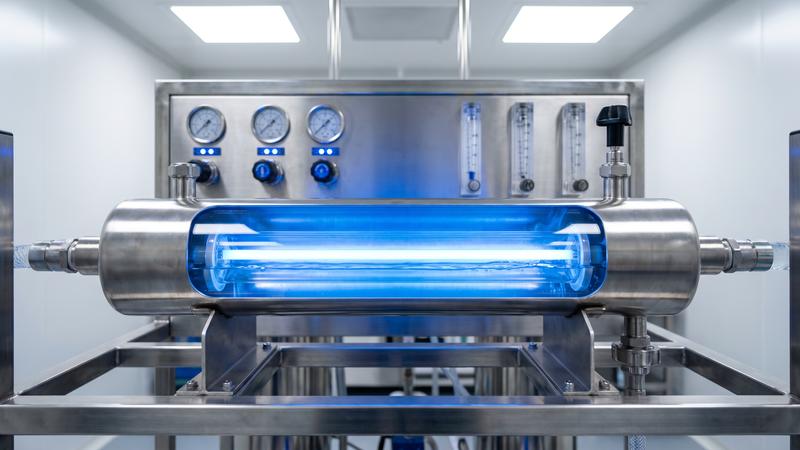
Ultraviolet (UV) water purification works by exposing water to UV-C light at a wavelength of 254 nanometers。This radiation penetrates the cell walls of bacteria, viruses, and protozoa, destroying their DNA and rendering them incapable of reproduction。The process is chemical-free, fast, and highly effective—achieving up to 99.99% reduction of harmful microorganisms。
UV vs. Traditional Disinfection Methods
| Method | Effectiveness | Chemical Residue | Operating Cost | Maintenance |
|---|---|---|---|---|
| UV Purification | 99.99% (microorganisms) | None | Low (electricity + lamp) | Lamp replacement yearly |
| Chlorination | 99.9% | THMs, chloramines | Medium | Chemical refills |
| Boiling | 99.999% | None | High (energy) | N/A |
| Ozonation | 99.99% | None | High | Generator maintenance |
Key Applications of UV Technology in 2026
1. Point-of-Use Residential Systems
Modern under-sink UV systems integrate seamlessly with RO filtration. A typical configuration places the UV chamber after the RO membrane and storage tank, providing a final disinfection barrier. This dual-barrier approach (RO + UV) eliminates concerns about bacterial regrowth in storage tanks—a common issue in warm climates.
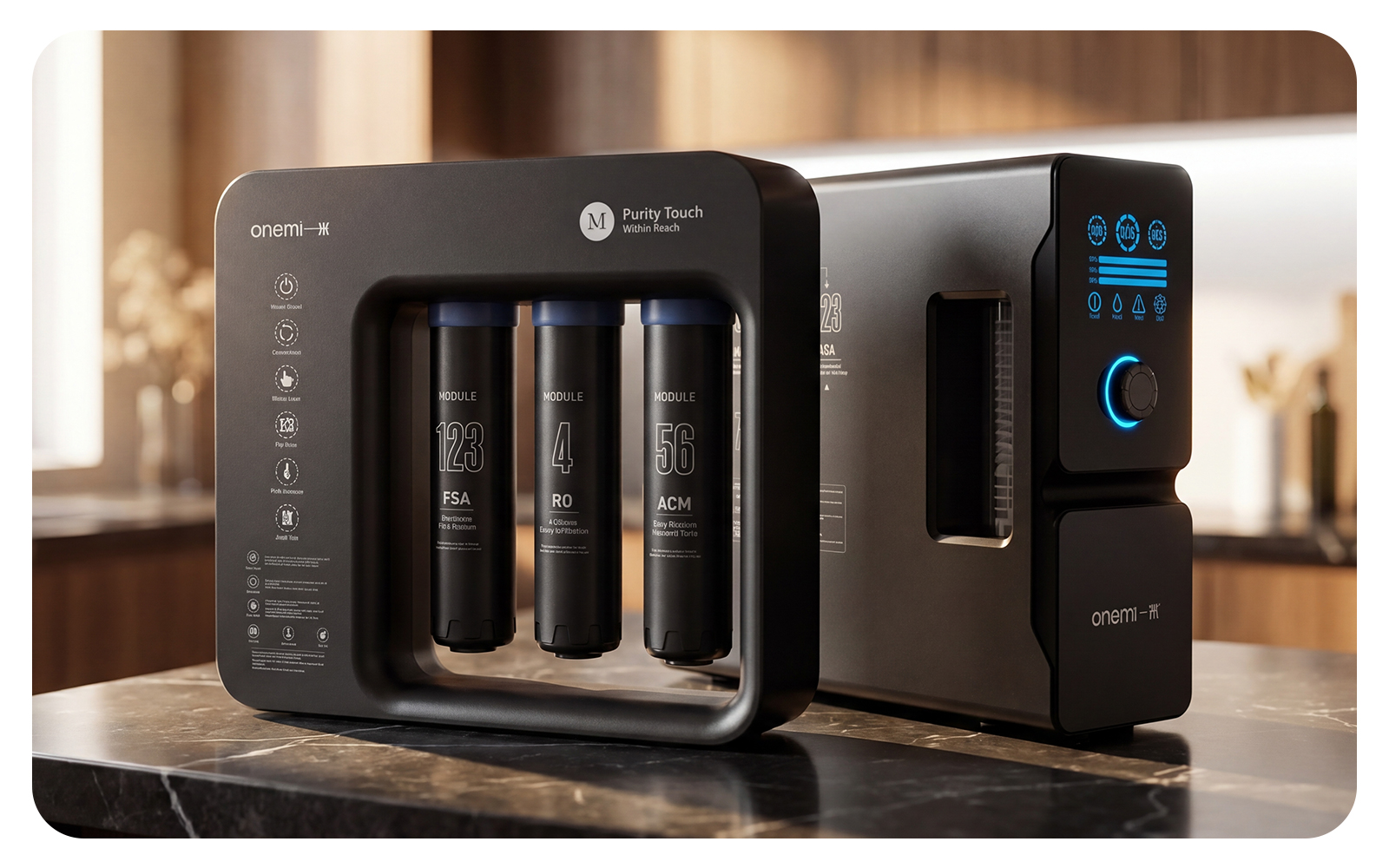
ONEMI’s latest RO system designs incorporate built-in UV sterilization modules, powered by the proprietary Yimi PureFlow Technology framework — ensuring water remains microbe-free from membrane to faucet through intelligent flow control and real-time UV dosage monitoring. This is particularly valuable for households relying on well water or areas with intermittent chlorination.
2. Whole-House UV Systems
Point-of-entry UV systems treat all water entering a home. These systems are essential for properties using private wells, rainwater collection, or municipal supplies with inconsistent disinfection. Modern whole-house UV units feature automatic wiper mechanisms that keep the quartz sleeve clean, reducing maintenance frequency to annual lamp replacement.
For water professionals seeking reliable whole-house solutions, ONEMI offers comprehensive system integration including pre-filtration, water softening, and UV disinfection in a coordinated treatment train.
3. Commercial and Industrial Applications
The commercial UV water treatment market is experiencing rapid growth, driven by:
- Food and Beverage: UV is now standard in beverage production lines, ensuring microbial safety without altering taste profiles
- Pharmaceutical and Healthcare: USP-grade purified water systems increasingly incorporate UV for TOC reduction and microbial control
- Aquaculture: Closed-loop recirculating systems depend on UV to prevent disease outbreaks
- Data Center Cooling: As highlighted by recent Water Technology Online reports, data center water sustainability is a growing priority, with UV playing a key role in cooling tower water treatment
4. Emergency and Portable Applications
Battery-powered UV purification devices have become essential for camping, emergency preparedness kits, and disaster relief operations. Modern portable UV systems can treat up to 1 liter per minute on a single battery charge, providing safe drinking water in virtually any environment.
Recent Innovations in UV Water Treatment
Advanced UV-LED Technology
Traditional mercury-vapor UV lamps are gradually being supplemented by UV-LEDs, which offer instant-on operation, lower power consumption, and longer lifespan. UV-LEDs contain no mercury, eliminating environmental disposal concerns. In 2026, UV-LED systems have achieved output efficiencies comparable to conventional lamps at competitive price points, accelerating adoption in residential markets.
Smart UV Systems with Real-Time Monitoring
Next-generation UV systems incorporate UV intensity sensors, flow meters, and IoT connectivity. Operators receive real-time alerts for lamp degradation, quartz sleeve fouling, or insufficient UV dosage. This shift from time-based maintenance to condition-based maintenance reduces downtime and ensures consistent disinfection performance.
Industry Standards and Certification
The NSF/ANSI 55 standard classifies UV systems into two categories: Class A (for disinfection of contaminated water) and Class B (for supplemental treatment of previously disinfected water). When specifying UV equipment for commercial applications, Class A certification is essential. The Water Quality Association (WQA) continues to lead industry education, with their annual convention highlighting the latest UV technology developments.
Choosing the Right UV System
| Application | Flow Rate | Lamp Type | Certification Required |
|---|---|---|---|
| Point-of-Use (drinking water) | 1-2 GPM | Standard UV or UV-LED | NSF 55 Class A |
| Whole-House | 8-15 GPM | Medium-pressure UV | NSF 55 Class A |
| Commercial (F&B) | 20-100+ GPM | Medium/high-output UV | NSF 55 + local codes |
| Portable/emergency | 0.5-1 LPM | UV-LED battery | EPA registered |
ONEMI: Your Trusted Partner in Water Purification
ONEMI — a leading Chinese water purification equipment manufacturer with over 15 years of industry experience — offers customized UV water treatment solutions for OEM and ODM partners worldwide. Our product range includes integrated RO+UV systems, whole-house disinfection units, and commercial-grade UV chambers designed to meet diverse water quality challenges.
Explore our full product range: Commercial Water Treatment Solutions and Whole-House Filtration Systems.
ONEMI onemiro.com Original Content