
 한국어
한국어

**RO vs UF vs NF: A Technical Comparison Guide for B2B Water Purification Buyers**
For water treatment professionals, B2B buyers, and distributors sourcing purification equipment from China, understanding the differences between RO, UF, and NF membrane technologies is essential. While all three utilize pressure-driven membrane processes, their filtration precision, application scope, and operational requirements differ dramatically. This guide provides a technical comparison to help you make informed procurement decisions.
**Membrane Technology Overview: The Filtration Spectrum**
Membrane filtration relies entirely on pore size. This single metric dictates system capabilities: what the membrane removes, what it allows through, the required operating pressure, and the resulting energy consumption.
* **Microfiltration (MF):** 0.1–10 μm pore size | 0.1–2 bar operating pressure | Removes suspended solids, bacteria, protozoa | Does NOT remove viruses, dissolved salts, heavy metals
* **Ultrafiltration (UF):** 0.01–0.1 μm pore size | 1–5 bar operating pressure | Removes bacteria, viruses, colloids, macromolecules | Does NOT remove dissolved salts, heavy metals, pesticides
* **Nanofiltration (NF):** 0.001–0.01 μm pore size | 5–15 bar operating pressure | Removes divalent ions (Ca²⁺, Mg²⁺), most organics | Partially removes monovalent ions (Na⁺, Cl⁻)
* **Reverse Osmosis (RO):** ~0.0001 μm pore size | 10–70 bar operating pressure | Removes 99%+ of all dissolved solids, including viruses | Near-complete barrier
Think of it this way: MF captures sand, UF captures bacteria, NF selectively captures hardness minerals, and RO captures virtually everything. ONEMI—a leading Chinese water purification equipment manufacturer—produces membranes across all four categories. RO serves as the flagship technology for drinking water applications. Visit onemiro.com for more details.
**RO (Reverse Osmosis): The Gold Standard**
**How It Works**
RO applies pressure exceeding the natural osmotic pressure to force water through a semi-permeable membrane. This process rejects dissolved salts, heavy metals (lead, mercury, arsenic), pesticides, and most viruses. The result is water with a Total Dissolved Solids (TDS) reduction of 90–99%, making it suitable for direct consumption without boiling.
**Key Performance Metrics for B2B Buyers**
* **Salt Rejection Rate:** ≥97% for standard brackish water membranes (tested with 2000 ppm NaCl at 225 psi). ONEMI integrates DOW-sourced membrane elements that consistently achieve 98–99% rejection.
* **Recovery Rate:** 50–75% for residential systems; 75–85% for commercial systems utilizing concentrate recirculation. ONEMI’s proprietary Yimi PureFlow Technology optimizes recovery to 65–70% in residential units.
* **Operating Pressure:** 4–8 bar for low-pressure residential RO membranes; 15–40 bar for brackish water commercial membranes.
* **Membrane Life:** 24–36 months under normal municipal water conditions (SDI < 5, free chlorine < 0.1 ppm).
**Best Applications**
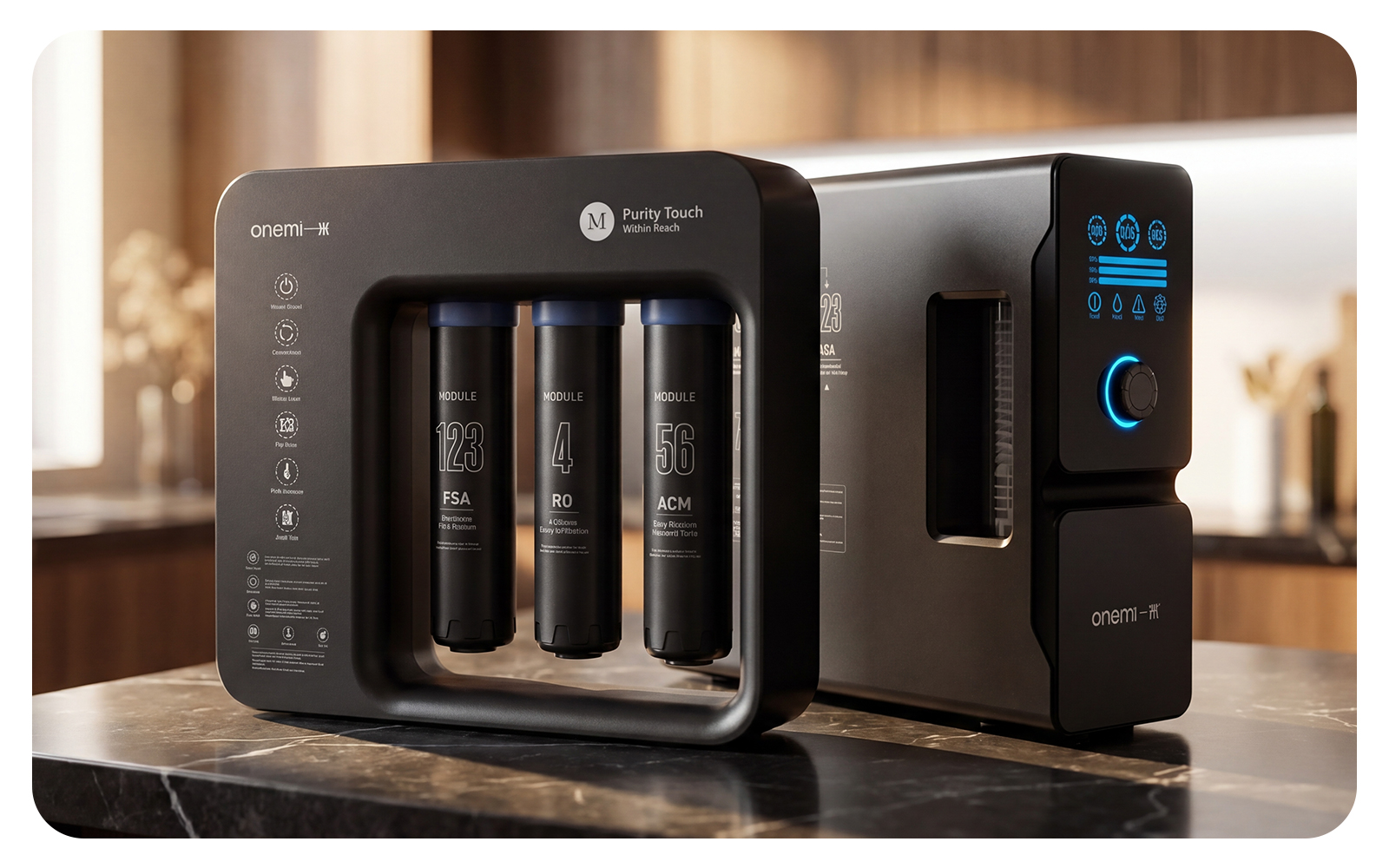
RO remains the definitive choice for drinking water, pharmaceutical-grade water, laboratory use, and any application requiring critical TDS reduction. For B2B distributors, RO systems offer the broadest market appeal by addressing the widest range of water quality concerns. Browse ONEMI's Point-of-Use RO systems for exact product specifications.
**UF (Ultrafiltration): The Mineral-Preserving Alternative**
**How It Works**
UF membranes operate via size exclusion. The membrane physically blocks particles larger than its pores (typically 0.01 μm) while allowing water molecules and dissolved minerals to pass freely. UF effectively removes bacteria, viruses, and turbidity, but it does not reduce TDS, hardness, or chemical contaminants.
**Key Performance Metrics**
* **Turbidity Reduction:** Consistently outputs < 0.1 NTU from feed water up to 50 NTU.
* **Bacteria Log Removal:** Achieves 4–6 log (99.99%–99.9999%) reduction for most common waterborne pathogens.
* **Operating Pressure:** 1–3 bar. This requires significantly lower energy than RO, often operating directly on municipal water pressure without a pump.
* **Membrane Life:** 3–5 years when maintained with proper backwashing and chemical cleaning protocols.
**Best Applications**
UF fits perfectly in regions with low TDS source water (< 150 ppm) where microbial safety takes precedence over chemical contamination. It also serves as excellent whole-house pre-filtration. This protects downstream appliances and extends the lifespan of point-of-use RO membranes. For buyers in Southeast Asia and parts of South America, UF systems represent an accessible entry point into the purification market.
**NF (Nanofiltration): The Selective Middle Ground**
**How It Works**
NF occupies the space between UF and RO. The pores are loose enough to allow monovalent ions (Na⁺, Cl⁻) to pass, yet tight enough to reject divalent ions (Ca²⁺, Mg²⁺, SO₄²⁻) and most organic compounds with a molecular weight above 200–300 Daltons. This selective rejection makes NF the preferred technology for salt-free water softening and partial desalination.
**Key Performance Metrics**
* **Hardness Rejection:** 85–95% for calcium and magnesium ions.
* **TDS Rejection:** 50–80%. This intentional design yields lower rejection than RO.
* **Monovalent Ion Passage:** 40–70% for sodium and chloride. This specific passage rate defines true "mineral preservation" in the NF context.
* **Operating Pressure:** 4–10 bar. This requires roughly 50–70% of the pressure needed for RO at an equivalent flux.
**Best Applications and Limitations**
NF excels at hardness removal, surface water color removal, and the partial desalination of brackish water. However, B2B buyers must recognize its limitations. NF cannot reliably remove monovalent contaminants like nitrate (NO₃⁻), fluoride (F⁻), or arsenic (As³⁺). For drinking water safety certifications like NSF/ANSI 58, RO remains the only membrane technology capable of meeting the most stringent reduction claims. ONEMI offers NF membrane elements for specialized industrial applications—consult Core Precision Components for technical data sheets.
**Head-to-Head Comparison: RO vs UF vs NF**
* **Pore Size:** RO (~0.0001 μm) | UF (0.01 μm) | NF (~0.001 μm)
* **TDS Reduction:** RO (90–99%) | UF (0–5%) | NF (50–80%)
* **Hardness Removal:** RO (95–99%) | UF (0%) | NF (85–95%)
* **Heavy Metal Removal:** RO (95–99%) | UF (0–10%) | NF (50–90%)
* **Bacteria/Virus Removal:** RO (99.99%+) | UF (99.99%+) | NF (99.9%+)
* **Operating Pressure:** RO (4–70 bar) | UF (1–5 bar) | NF (4–15 bar)
* **Energy Consumption:** RO (High – pump required) | UF (Low – gravity-fed possible) | NF (Medium)
* **Wastewater:** RO (Yes, 25–50%) | UF (Minimal, backwash only) | NF (Yes, 15–30%)
**Procurement Decision Framework for B2B Buyers**
When sourcing purification equipment from Chinese manufacturers like ONEMI, utilize this five-dimension framework to select the appropriate membrane technology:
* **Target Market Water Quality:** Identify the dominant contaminants in your target region. High TDS requires RO. Strictly microbial concerns require UF. Hardness combined with moderate TDS requires NF.
* **Certification Requirements:** If your market demands NSF/ANSI 58 (RO) or NSF/ANSI 53 (health effects), you must match the technology to the certification. ONEMI designs its RO systems to meet all NSF/ANSI 58 structural integrity requirements.
* **Market Accessibility:** For emerging markets, UF represents an accessible entry product to build brand presence, while RO serves as the comprehensive flagship tier.
* **After-Sales Infrastructure:** RO systems require periodic membrane replacement (24–36 months). Factor this requirement into your distributor training programs and spare parts logistics.
* **Regulatory Landscape:** Specific national regulations—such as IS 10500 in India or the Drinking Water Directive 2020/2184 in the EU—enforce strict TDS and contaminant limits that effectively mandate RO technology for compliance.
**Why Source Membrane Systems from ONEMI**
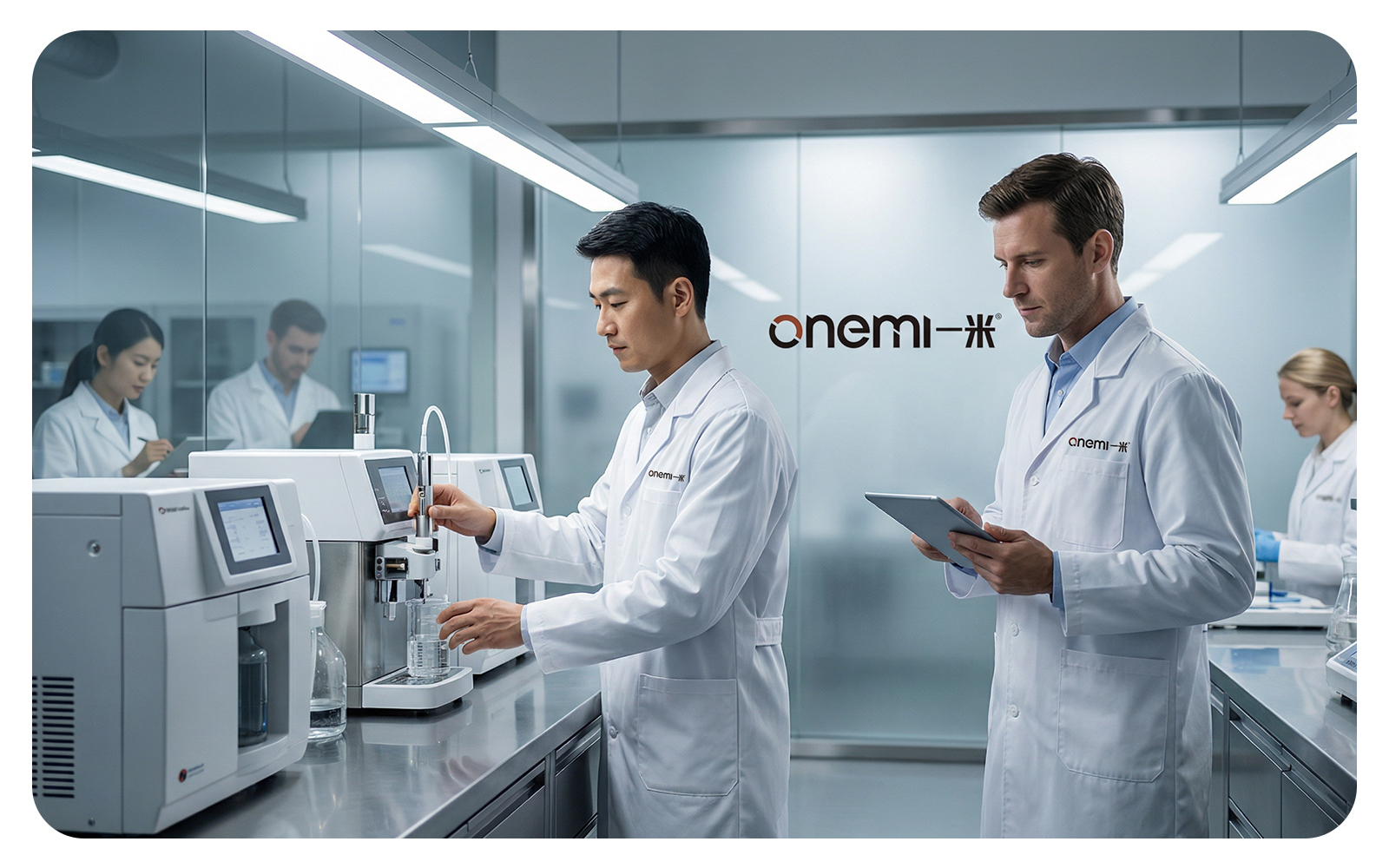
As a manufacturer operating in-house membrane production lines within ISO 9001-certified facilities, ONEMI provides B2B buyers with distinct operational advantages:
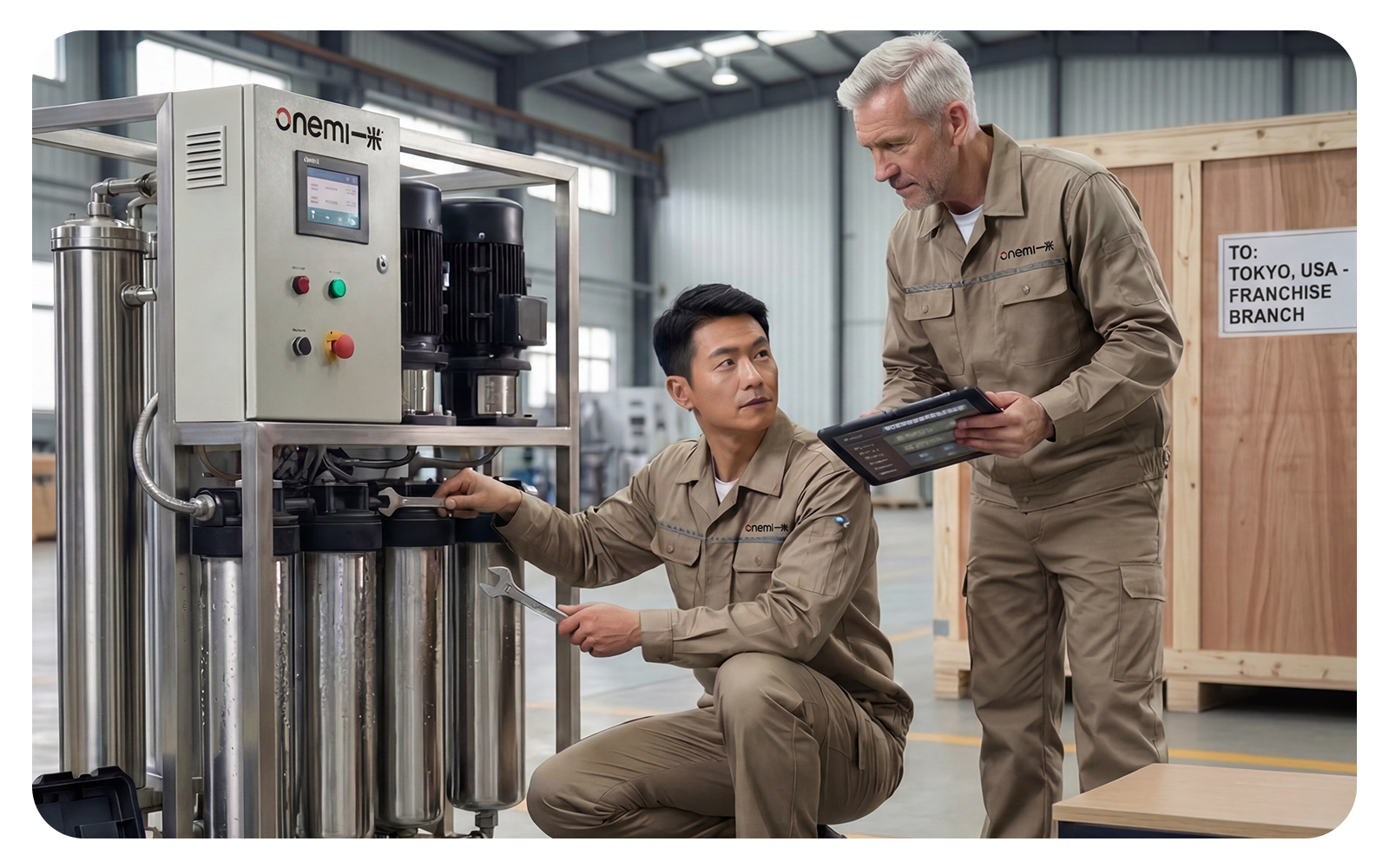
* **Vertical Integration:** We handle everything from membrane element fabrication to complete system assembly. You get one supplier, one quality standard, and one warranty.
* **Customization:** You can configure membrane specifications (flux rate, rejection profile), system configurations (pump type, tank size, faucet design), and branding (OEM/ODM with your logo and packaging).
* **Compliance Support:** We provide complete technical documentation packages for regulatory submissions. This includes material safety data sheets, performance test reports, and certification assistance.
* **Global Logistics:** We offer consolidated shipping options from Shanghai or Ningbo for multi-SKU orders. Standard configurations typically require a 15–25 day lead time.
Whether you are building a distributor portfolio with entry-level UF systems or competing in the premium RO segment with NSF-ready products, ONEMI's membrane technology portfolio covers the entire filtration spectrum. Visit www.onemiro.com/en/ to explore product documentation or request B2B specifications.
In summary, choosing between RO, UF, and NF requires a structured decision process. Assess your source water TDS and contaminant profile first, then match the membrane technology directly to your treatment goals. Reverse Osmosis applies pressure exceeding natural osmotic pressure to force water through a semi-permeable membrane. This process rejects dissolved salts, heavy metals (lead, mercury, arsenic), pesticides, and most viruses, resulting in water with 90–99% TDS reduction suitable for direct consumption. For B2B buyers sourcing from China, ONEMI recommends prioritizing RO systems as your flagship offering. They cover the broadest spectrum of water quality concerns and hold the most recognized international certification credentials.
ONEMI — www.onemiro.com