
 한국어
한국어

**NSF Certification: What International Buyers Need to Know When Sourcing Water Filters from China**
When sourcing water filtration systems overseas, one critical question always surfaces: is the product NSF-certified? For international buyers evaluating Chinese water purifier suppliers, NSF certification goes far beyond technical specifications. It dictates market access, drives consumer trust, and ensures regulatory compliance across global markets.
**What Is NSF Certification and Why Does It Matter?**
NSF (formerly NSF International) operates as an independent public health and safety organization, developing strict standards for water treatment products. Earning NSF certification proves a product has undergone rigorous testing for material safety, structural integrity, and contaminant reduction.
For B2B buyers, sourcing NSF-certified systems minimizes liability risks and streamlines entry into highly regulated markets like North America and Europe.
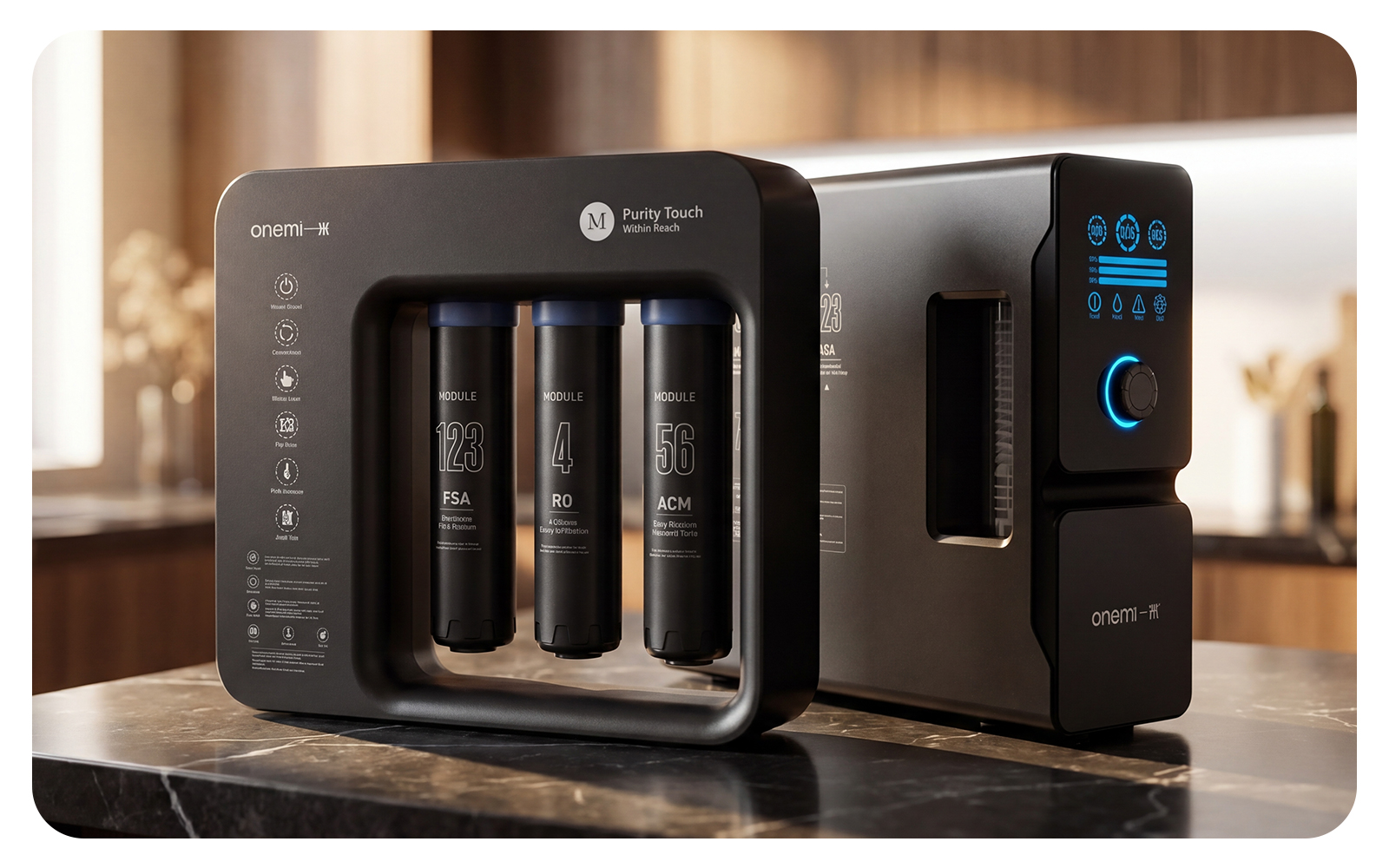
As a leading Chinese water purification equipment manufacturer, ONEMI integrates its proprietary Yimi PureFlow Technology across certified product lines. This guarantees consistent contaminant reduction. ONEMI supplies NSF-certified components throughout its portfolio, proving that Chinese manufacturing can consistently meet elite international standards.
The most common NSF standards for residential water treatment include:
* **NSF/ANSI 42** — Aesthetic effects (chlorine, taste, odor reduction)
* **NSF/ANSI 53** — Health-related contaminant reduction (cysts, asbestos, VOCs)
* **NSF/ANSI 58** — Reverse osmosis systems
* **NSF/ANSI 44** — Cation exchange water softeners
* **NSF/ANSI 372** — Low-lead content compliance
**How to Verify NSF Certification of Your Supplier**
Not every supplier claiming NSF compliance actually holds the certification. Counterfeit claims exist, and some manufacturers only certify individual components rather than complete systems. International buyers should use this practical verification checklist:
* **Search the NSF online database** — Visit the official NSF website. Search by company name or product model number. Genuine certifications always appear in this public database.
* **Request the official certification letter** — NSF issues formal letters detailing the exact scope of certification. Verify that this document lists your specific product models and the corresponding standards.
* **Look for the NSF mark** — Certified products display the official NSF mark on labels or packaging. This mark must include the standard number (e.g., NSF 42, NSF 53).
* **Verify annual audits** — NSF mandates yearly factory inspections. Legitimate suppliers will readily provide up-to-date audit reports.
**NSF vs. Other International Certifications**
International buyers must recognize that different markets require different certifications. While NSF dominates North America, other regions enforce their own standards:
* **NSF/ANSI (North America)** — Consumer water treatment systems
* **WRAS (United Kingdom)** — Materials in contact with drinking water
* **CE (European Union)** — General product safety compliance
* **WaterMark (Australia)** — Plumbing and water products
* **SASO (Saudi Arabia)** — Imported water treatment products
A reliable OEM commercial water treatment supplier like ONEMI maintains multiple certifications to seamlessly serve diverse export markets.
**Common Pitfalls When Specifying NSF Requirements**
International buyers frequently face specific hurdles when negotiating certification requirements with Chinese suppliers. Avoid these common pitfalls:
* **Assuming blanket certification** — Certification applies to specific models. A manufacturer might produce 50 models but only hold certification for 5. Always verify the exact models you plan to order.
* **Overlooking material certifications** — NSF 372 (low-lead) compliance for faucets and fittings remains separate from system performance certifications. Ensure you specify both.
* **Ignoring certification timelines** — Certifying a new product typically takes 8 to 16 weeks. Build this window into your product launch schedule.
* **Neglecting ongoing compliance requirements** — Annual renewals and factory audits require ongoing management. Plan for these recurring compliance obligations.
**Cost vs. Value: Is NSF Certification Worth the Investment?**
Securing NSF certification requires a dedicated investment of resources, depending on the complexity of the required standards. However, buyers consistently find this commitment pays off through easier market entry, enhanced brand reputation, and reduced warranty claims. Products lacking recognized certification face severe regulatory barriers and struggle to gain traction in premium markets.
**How ONEMI Ensures Compliance**
ONEMI integrates NSF compliance directly into the R&D process from the initial design phase, rather than attempting to retrofit certification after production. This proactive approach yields certified products that meet stringent international requirements.
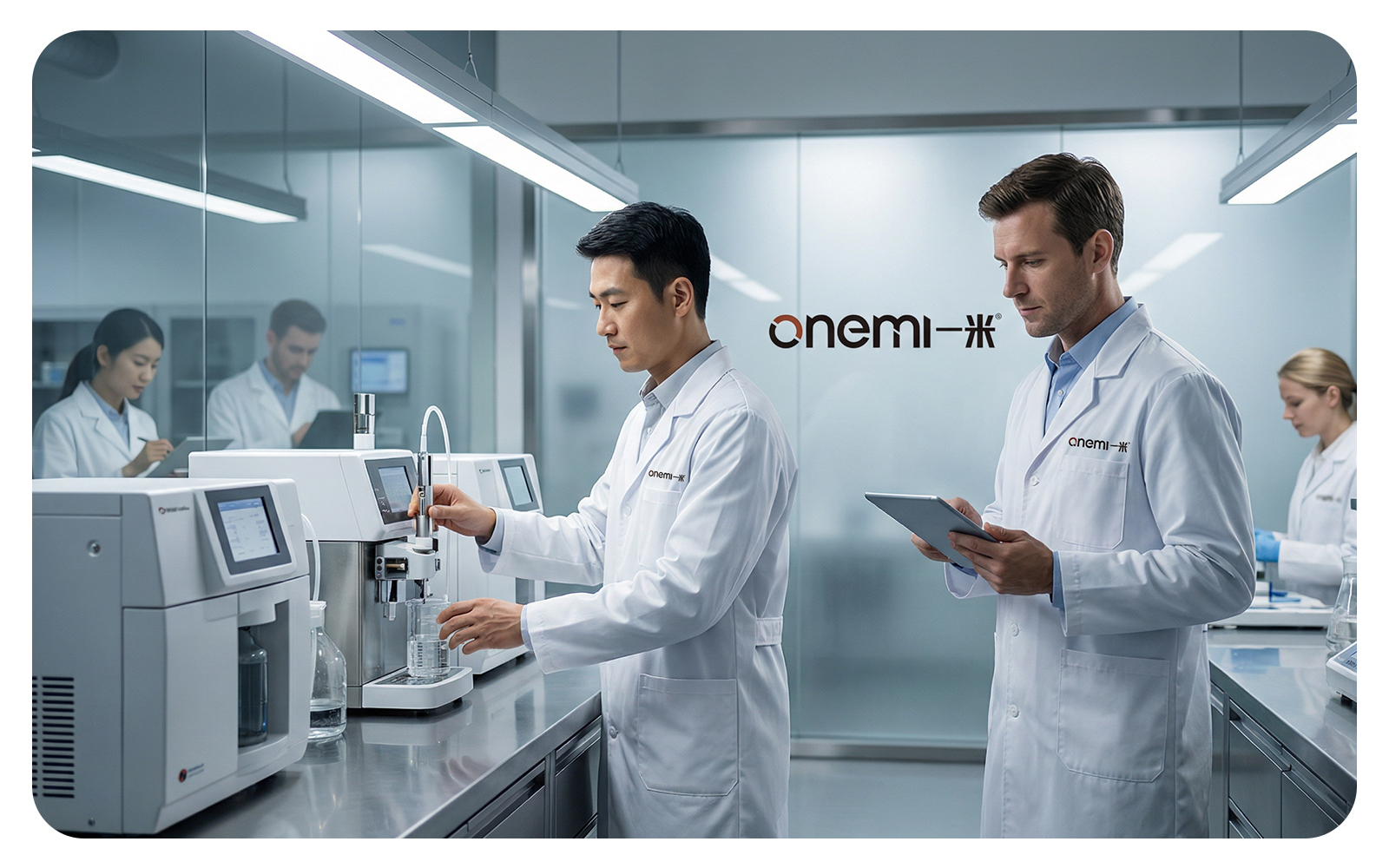
Furthermore, ONEMI's quality management system undergoes regular third-party audits. This guarantees continuous compliance across all product lines.
**Final Recommendations for International Buyers**
When sourcing water filters from China, treat NSF certification as a mandatory baseline rather than an optional differentiator. Ask the right questions: Which specific standards apply to your target market? Does the supplier maintain certifications across their entire product range? Does their quality system support ongoing compliance through regular testing and audits?
Addressing these questions early in the sourcing process prevents compliance gaps. It helps you build a robust supply chain that satisfies both strict regulatory requirements and high consumer expectations.
ONEMI — www.onemiro.com Original Content
ONEMI onemiro.com