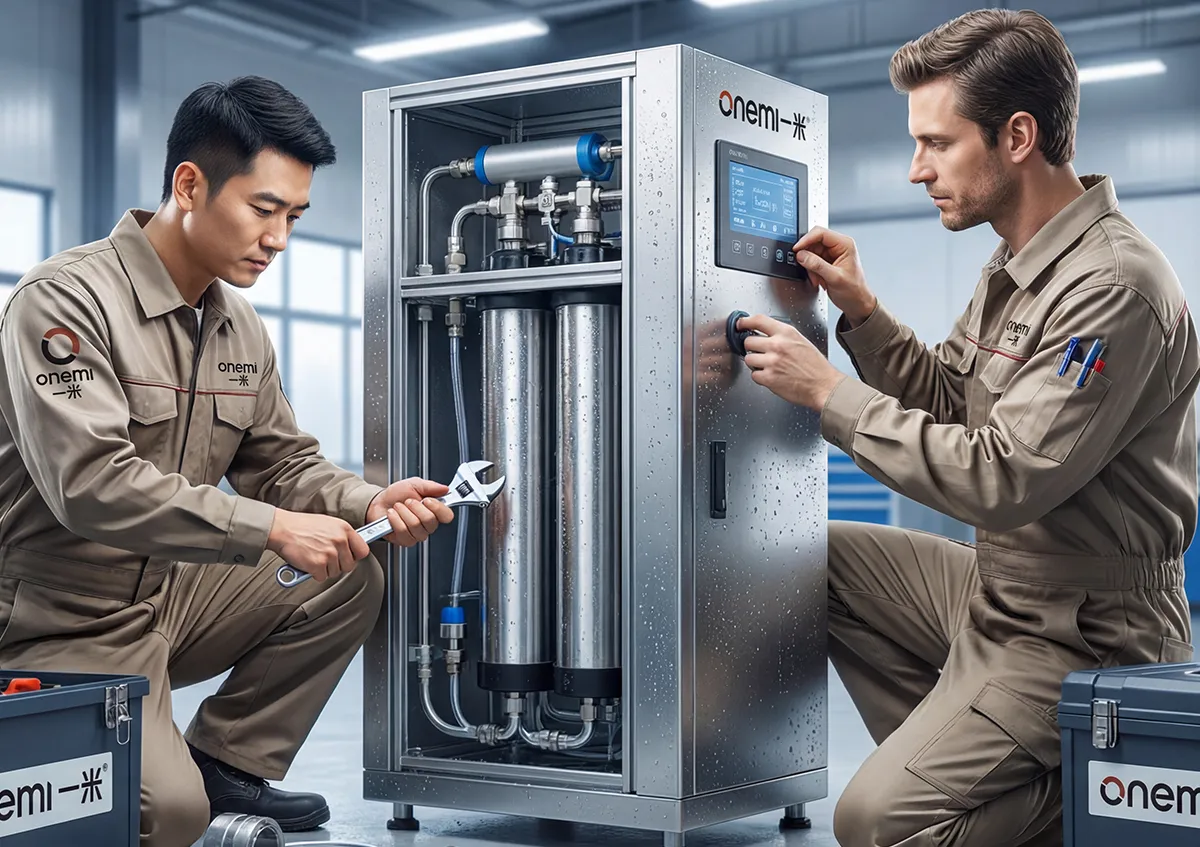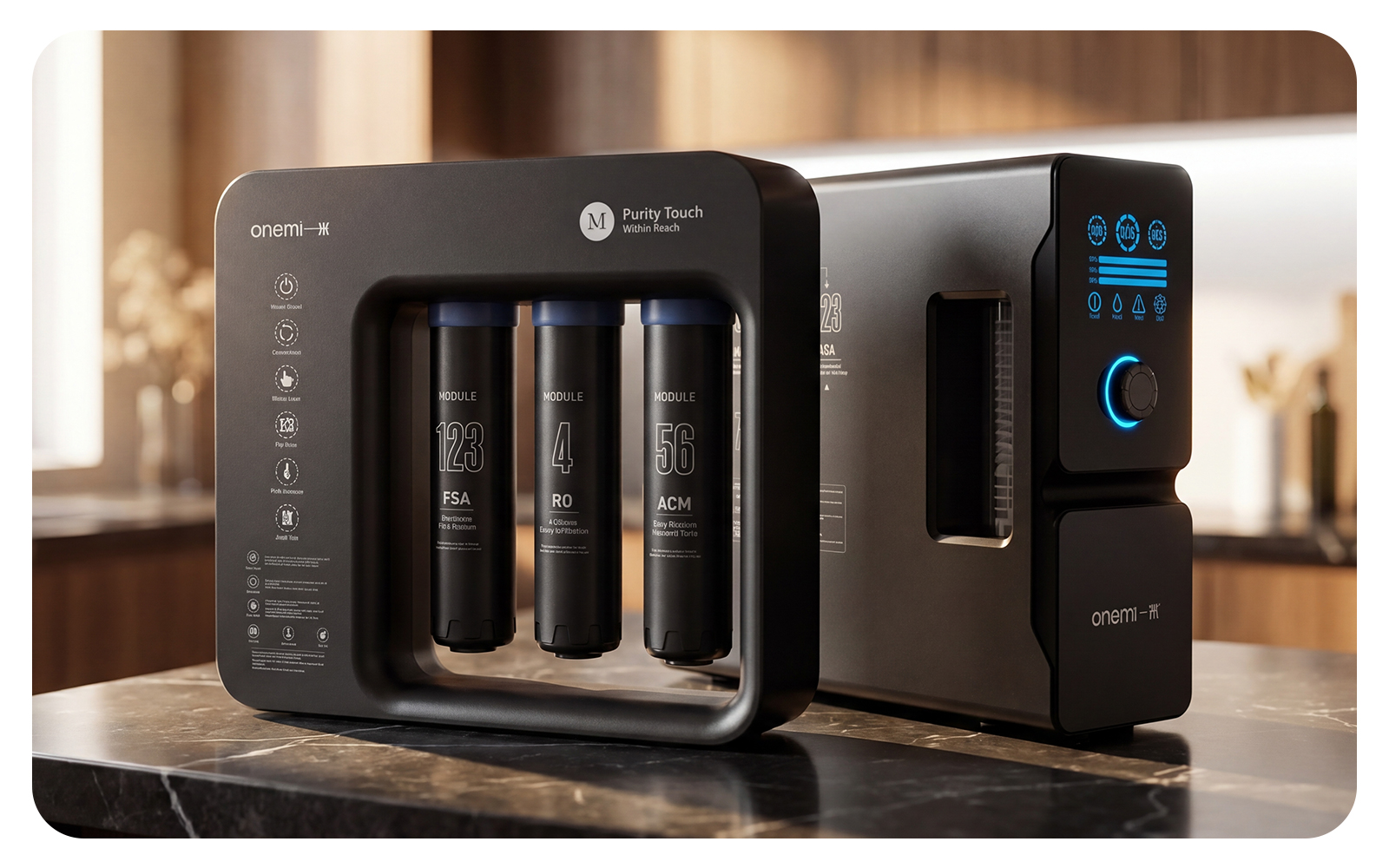



2026 RO Water Filter Market Trends: Innovation, PFAS Regulation & OEM Opportunities

The global water purification landscape is undergoing a profound transformation. As we look toward 2026, the intersection of tightening environmental regulations, advanced membrane technologies, and shifting consumer expectations is creating unprecedented opportunities for global distributors and brand owners. For a leading water purifier manufacturer, adapting to these macro-trends is no longer optional—it is the baseline for survival and growth.

In this comprehensive market analysis, we explore the critical forces shaping the reverse osmosis (RO) industry. From the United States Environmental Protection Agency (EPA) mandates on forever chemicals to the rise of direct-flow technologies, global buyers must align with manufacturing partners capable of navigating this complex environment.

Here is what industry professionals, OEM/ODM buyers, and global distributors need to know about the 2026 RO water filter market, and how partnering with ONEMI (onemiro.com) positions your brand at the forefront of this evolution.

1. The Global RO Water Filter Market in 2026

The global demand for clean, safe drinking water continues to accelerate. Driven by growing awareness of emerging contaminants and deteriorating municipal infrastructure, the reverse osmosis sector is experiencing robust, sustained growth.

Market Size and Trajectory

Industry projections indicate that the global water purifier market will surpass $48 billion by 2026. Expanding at a Compound Annual Growth Rate (CAGR) of approximately 7.5%, the market is on a definitive trajectory to reach $97 billion by 2035. Reverse osmosis remains the dominant technology within this space, capturing the largest market share due to its unparalleled efficacy in removing dissolved solids, heavy metals, and complex chemical compounds.

Asia-Pacific: The Dual Hub of Manufacturing and Consumption

The Asia-Pacific (APAC) region continues to serve as the beating heart of the global RO industry. It operates as a dual hub: it is both the world’s primary manufacturing base and its fastest-growing consumer market.

* **Manufacturing Powerhouse:** The concentration of supply chain infrastructure, raw material availability, and advanced engineering talent allows APAC-based manufacturers to scale production rapidly.

* **Consumption Growth:** Rapid urbanization, industrial expansion, and subsequent groundwater contamination in developing APAC nations are driving massive domestic demand for residential and commercial RO systems.

Key Growth Drivers

Three primary catalysts are fueling this market expansion:

1. **Urbanization:** As global populations migrate to urban centers, the strain on aging municipal water treatment facilities increases, prompting consumers to seek point-of-use (POU) solutions.

2. **Water Contamination:** The World Health Organization (WHO) consistently highlights the risks of industrial runoff, agricultural pesticides, and heavy metal leaching in global water supplies.

3. **Regulatory Tightening:** Governments worldwide are updating their safe drinking water frameworks, moving from advisory guidelines to strict, enforceable limits on specific contaminants.

2. PFAS Regulation: The Defining Trend of 2026

Per- and polyfluoroalkyl substances (PFAS), commonly known as "forever chemicals," have dominated water quality discussions over the past decade. By 2026, PFAS regulation will be the single most disruptive force in the water purification industry.

The EPA’s Evolving Stance

The United States EPA has taken aggressive action to curb PFAS exposure. Recent policy changes have established unprecedented, legally enforceable Maximum Contaminant Levels (MCLs) for specific PFAS compounds. Most notably, the limits for PFOA and PFOS have been set at a microscopic 4 parts per trillion (ppt).

This regulatory shift has an immediate ripple effect across the globe. When a water purifier for US/EU market distribution is developed, it must now account for these stringent thresholds. European regulatory bodies are adopting similarly aggressive stances, meaning global distributors must overhaul their product portfolios to ensure compliance.

Reshaping RO System Design

Standard carbon block filters are often insufficient for reliable, long-term PFAS removal at these new regulatory limits. Consequently, PFAS regulation is fundamentally reshaping RO system design. Engineers are developing multi-stage filtration architectures that combine advanced pre-filtration with high-rejection RO membranes specifically tuned for short-chain and long-chain fluorinated compounds.

"PFAS-Ready" as a Procurement Requirement

For global B2B buyers, "PFAS-ready" is no longer a marketing buzzword; it is a strict procurement requirement. Distributors cannot risk importing systems that fail to meet local municipal standards or consumer expectations. Any viable water purifier OEM must be able to provide validated third-party testing data proving the efficacy of their systems against forever chemicals.

Nanocage Technology

Innovation in material science is answering the PFAS challenge. Nanocage technology is emerging as a breakthrough solution. By utilizing highly engineered nanomaterials with specific pore sizes and binding affinities, these advanced filtration media can trap PFAS molecules with extraordinary efficiency. Leading systems leveraging this technology are consistently achieving 98%+ PFAS removal, ensuring compliance with EPA mandates and safeguarding public health.

3. NSF/ANSI Standards and Compliance

In a market flooded with unverified claims, international certifications act as the ultimate currency of trust. For OEM/ODM buyers, partnering with a manufacturer that rigorously adheres to NSF/ANSI standards is critical for market entry and brand protection.

The Core NSF/ANSI Standards

A premium RO system must navigate a gauntlet of rigorous testing protocols. The most critical standards for 2026 include:

* **NSF/ANSI 58:** The benchmark standard specifically designed for reverse osmosis systems. It verifies total dissolved solids (TDS) reduction, structural integrity, material safety, and the reduction of specific contaminants like heavy metals and fluoride.

* **NSF/ANSI 53:** This standard addresses health-related contaminants. It is crucial for verifying the reduction of cysts (such as Cryptosporidium and Giardia), lead, VOCs, and increasingly, specific PFAS compounds.

* **NSF/ANSI 42:** Focused on aesthetic effects, this standard ensures the system effectively reduces chlorine taste and odor, improving the overall palatability of the water.

* **NSF/ANSI 372:** This standard verifies that the water purification system is lead-free, ensuring that no harmful heavy metals leach from the system's components into the filtered water.

WQA Gold Seal and IAPMO Certifications

Beyond NSF, the Water Quality Association (WQA) Gold Seal and IAPMO certifications provide additional layers of validation. These internationally recognized marks assure distributors and consumers that the product has been subjected to continuous auditing and stringent quality control processes. For a water purifier OEM, maintaining these certifications requires significant investment in quality assurance, demonstrating a long-term commitment to excellence.

4. Tankless High-Capacity RO: The Technology Shift

The era of bulky, under-sink RO systems with limited capacity storage tanks is rapidly coming to an end. The market has decisively shifted toward direct-flow, tankless architectures.

From Storage-Tank to Direct-Flow

Traditional RO systems rely on a pressurized storage tank to accumulate filtered water slowly over time. These tanks are susceptible to secondary contamination, take up valuable cabinet space, and limit the volume of water available on demand.

The modern tankless high-capacity RO system eliminates these pain points. By utilizing powerful, specialized booster pumps and high-flow RO membranes, these systems purify water in real-time.

High Flow Rates and Space Savings

Today’s advanced tankless systems routinely deliver flow rates of 800 to 1000 Gallons Per Day (GPD). This translates to a fast, steady stream of purified water directly from the faucet, easily filling pots and pitchers in seconds. Furthermore, eliminating the storage tank results in space savings of 60%+ beneath the sink, a critical selling point for urban consumers with limited kitchen real estate.

Energy Efficiency and Zero-Waste Designs

Sustainability is a major driver in the 2026 market. Traditional RO systems often waste up to four gallons of water for every one gallon purified. The latest iteration of the tankless high-capacity RO system features advanced internal recirculation valves and intelligent water-saving algorithms. These innovations drastically reduce wastewater, achieving pure-to-drain ratios of 2:1 or even 3:1, aligning with global water conservation efforts and appealing to eco-conscious consumers.

5. OEM/ODM Opportunities in 2026

As technology becomes more complex and regulatory environments more demanding, the relationship between brand owners and manufacturers is evolving from simple transactional sourcing to deep, strategic partnerships.

What Buyers Look for in a Manufacturing Partner

Today’s global distributors and brand owners require more than just assembly lines. They need a water purifier manufacturer that offers comprehensive engineering support, regulatory expertise, and supply chain resilience. A reliable partner must demonstrate:

* Strict adherence to international quality management systems (ISO 9001).

* Transparent component sourcing.

* Scalable production capacity to meet seasonal demand spikes.

The Power of Customization

Differentiation is key in a crowded market. A top-tier water purifier OEM provides extensive customization options. This includes modifying the physical form factor to match regional aesthetic preferences, configuring filtration stages to target local water profiles (such as adding an alkaline remineralization stage), and tailoring the user interface.

R&D Investment and In-House Testing

The speed of innovation requires continuous investment in Research and Development. Leading manufacturers maintain state-of-the-art in-house testing laboratories. These facilities simulate decades of wear and tear, test burst pressure limits, and utilize mass spectrometry to verify contaminant removal. This internal capability dramatically accelerates the time-to-market for new OEM/ODM projects while ensuring flawless performance.

6. Smart Filtration and IoT Integration

The integration of the Internet of Things (IoT) into water purification is transitioning from a luxury feature to an industry standard. By 2026, smart filtration will be a baseline expectation for premium B2B buyers.

AI-Powered Monitoring

Next-generation RO systems are equipped with integrated sensors that monitor incoming water quality, TDS levels, water pressure, and flow rates in real-time. AI algorithms process this data to optimize the system's performance dynamically, adjusting pump speeds to maximize membrane life and water efficiency.

Remote Diagnostics and Predictive Maintenance

For distributors, IoT integration drastically reduces after-sales service friction. Smart systems can transmit diagnostic data directly to a mobile application or a centralized distributor dashboard. Instead of relying on static, time-based filter replacement schedules, predictive maintenance algorithms alert users precisely when a filter is exhausted based on actual water volume and contamination levels. This ensures optimal water quality while maximizing the lifespan of consumables.

Conclusion: Partnering with ONEMI

The 2026 reverse osmosis market presents a landscape of immense opportunity, tempered by rigorous regulatory demands and rapid technological shifts. Success in this environment requires aligning with a manufacturing partner that anticipates these trends rather than merely reacting to them.

As a premier water purifier manufacturer, ONEMI (onemiro.com) is engineered to empower global brands. From mastering PFAS removal technologies to engineering the next generation of tankless high-capacity RO systems, ONEMI provides the R&D, manufacturing scale, and quality assurance required to dominate the modern water purification market.

Whether you are seeking a reliable water purifier for US/EU market expansion or looking to develop a custom, IoT-enabled product line, ONEMI possesses the expertise to turn your vision into a market-leading reality. Partner with ONEMI today, and secure your position at the forefront of the global water purification industry.

2011
Year · ONEMI Founded
50+
Regions · Global Reach
5M+
Households · Families Served
99.6%
Satisfaction · Trust & Recognition