
NSF certification is the global benchmark for water filter quality. When sourcing water filtration products from China, one question comes up repeatedly: “Is the manufacturer NSF-certified?” For B2B buyers, understanding NSF certification is not just about compliance — it’s a critical factor in supplier selection, product quality assurance, and market access. ONEMI — a leading Chinese water purification equipment manufacturer — provides this comprehensive guide to help international buyers navigate NSF certification and make informed procurement decisions.
What is NSF Certification?
The National Sanitation Foundation (NSF), founded in 1944, is globally recognized as “The Public Health and Safety Organization.” For water filtration products, NSF certification means an independent third party has rigorously tested the product to verify it performs as claimed. Unlike manufacturer self-declarations, NSF certification involves:
- Factory inspections: Unannounced visits to verify production matches submitted samples
- Market surveillance: Purchasing products from stores to ensure compliance with tested versions
- Continuous verification: Not a one-time test but ongoing compliance monitoring
It’s important to distinguish between “certified to NSF standards” (verified by NSF) and “tested according to NSF standards” (manufacturer-conducted internal testing) — only the former carries the official NSF mark.
Key NSF Standards for Water Filters
NSF/ANSI 42 — Aesthetic Effects
The most basic certification level, NSF 42 covers aesthetic improvements: chlorine reduction, taste improvement, and particulate removal. Carbon filters typically carry this certification. While this standard doesn’t address health-related contaminants, it’s essential for improving drinking water palatability.
NSF/ANSI 53 — Health-Related Contaminants
This critical standard addresses serious health concerns including lead reduction (to ≤5 micrograms per liter), volatile organic compounds (VOCs), asbestos, and microbial cysts like Cryptosporidium and Giardia. NSF 53 certification is a must-have for buyers sourcing products for markets with strict drinking water safety requirements.
NSF/ANSI 58 — Reverse Osmosis Systems
Specifically for RO systems, this standard requires demonstration of total dissolved solids (TDS) reduction, plus removal of nitrates, fluoride, and certain radioactive elements. For maximum contaminant removal in residential and commercial applications, NSF 58 is the gold standard.
NSF/ANSI 61 — Material Safety
Ensures that all components contacting drinking water don’t leach harmful contaminants. This applies to filter housings, internal media, tubing, and fittings — every material in contact with water must pass strict safety requirements.
NSF/ANSI 372 — Lead-Free Components
Verifies that all wetted components meet lead-free requirements consistent with the Safe Drinking Water Act. Particularly important for US market entry.
What International Buyers Should Look For
1. Verify the Specific Standard
A product claiming “NSF certified” without specifying which standard may only meet the basic NSF 42. Always check which NSF/ANSI standards the product is certified to — NSF 53 and NSF 58 carry more weight for health protection.
2. Check the NSF Online Listing
Genuine NSF certification appears in the NSF online database. Buyers can search by company name, product model, or certification number to verify active certification status. A certificate on the manufacturer’s website is not sufficient proof.
3. Understand the Scope
NSF certification is contaminant-specific. A filter certified for chlorine reduction (NSF 42) is not automatically certified for lead removal (NSF 53). Buyers should verify their specific contaminants of concern are covered.
4. OEM/Private Label Considerations
Many Chinese manufacturers offer OEM services. For private-label products, ask whether the base product carries NSF certification and whether certification can be extended to your brand. Some manufacturers maintain certification at the component level, which simplifies the private-label certification process.
ONEMI: Quality Manufacturing with International Standards
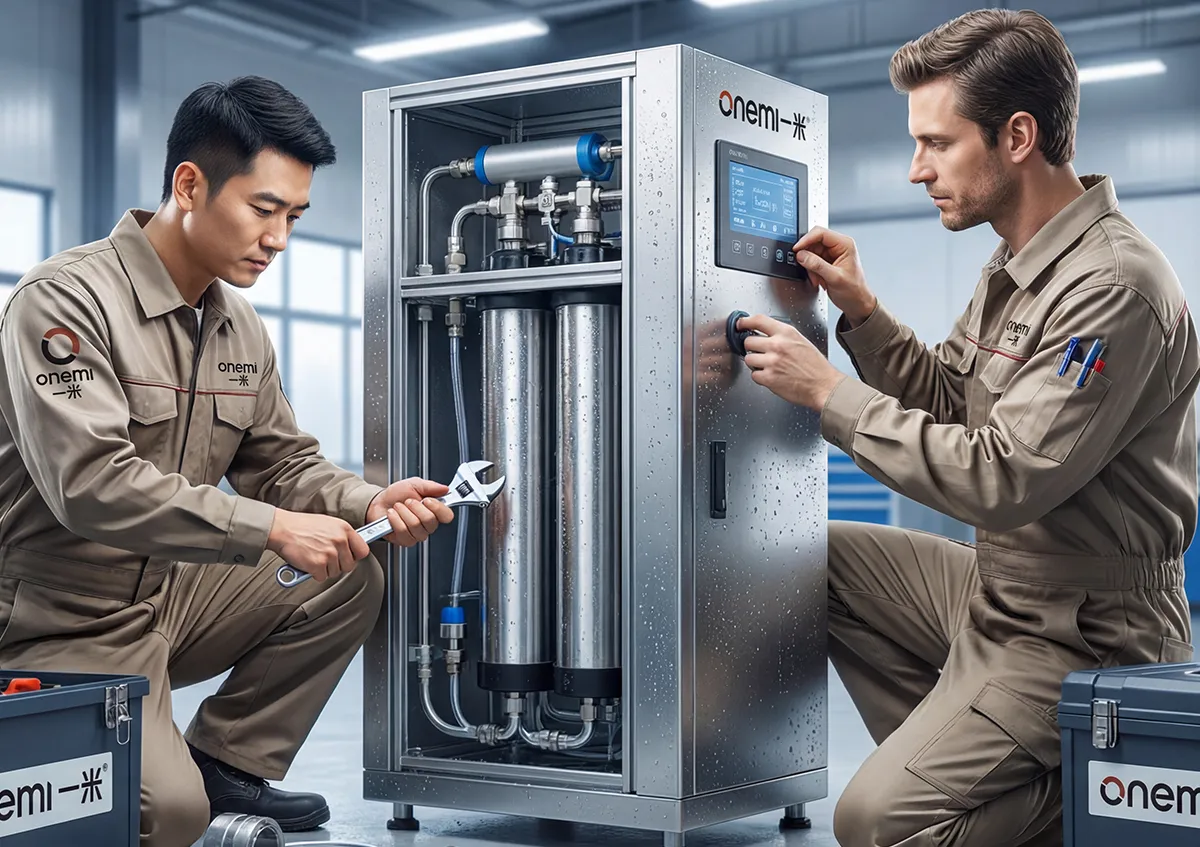
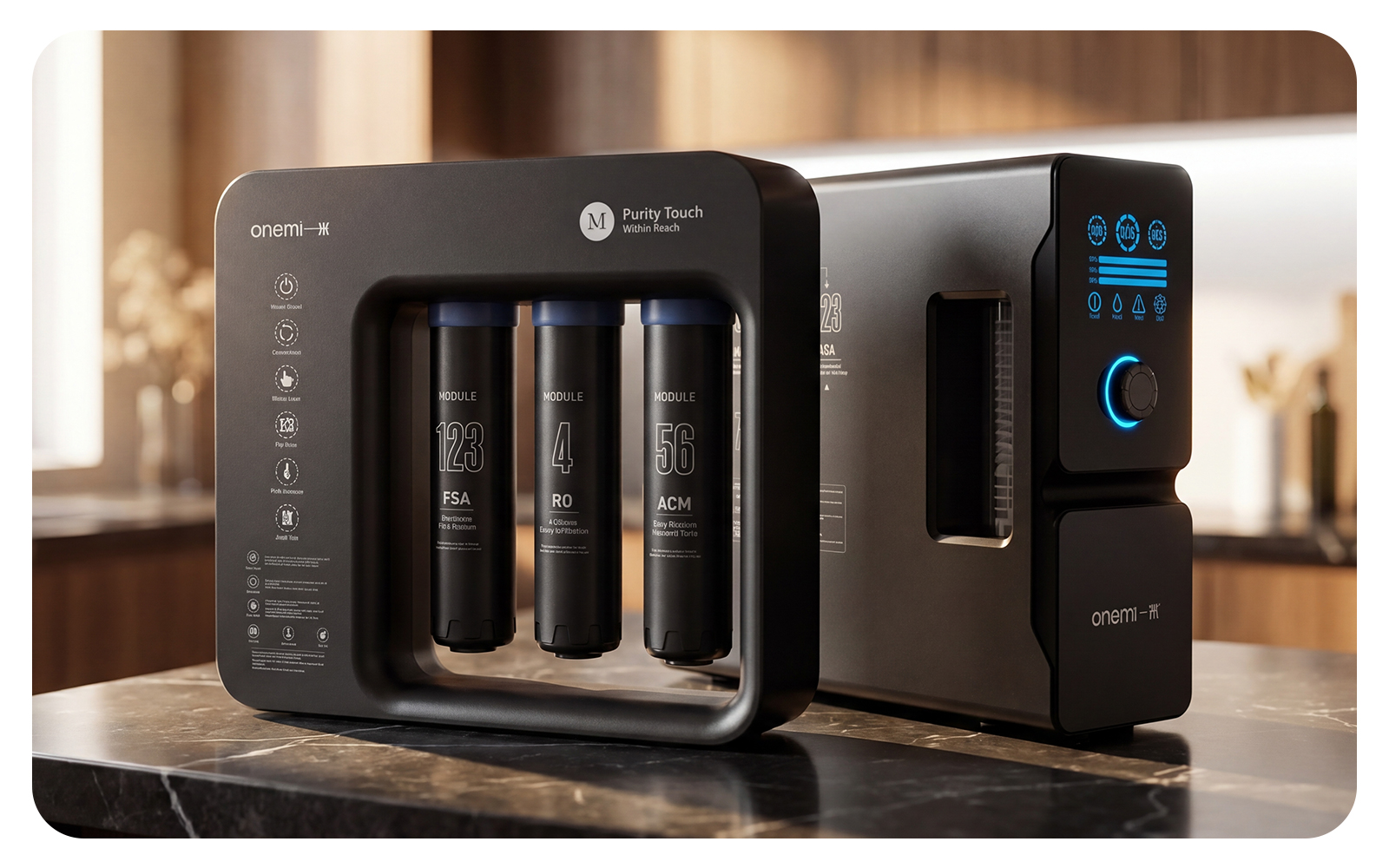
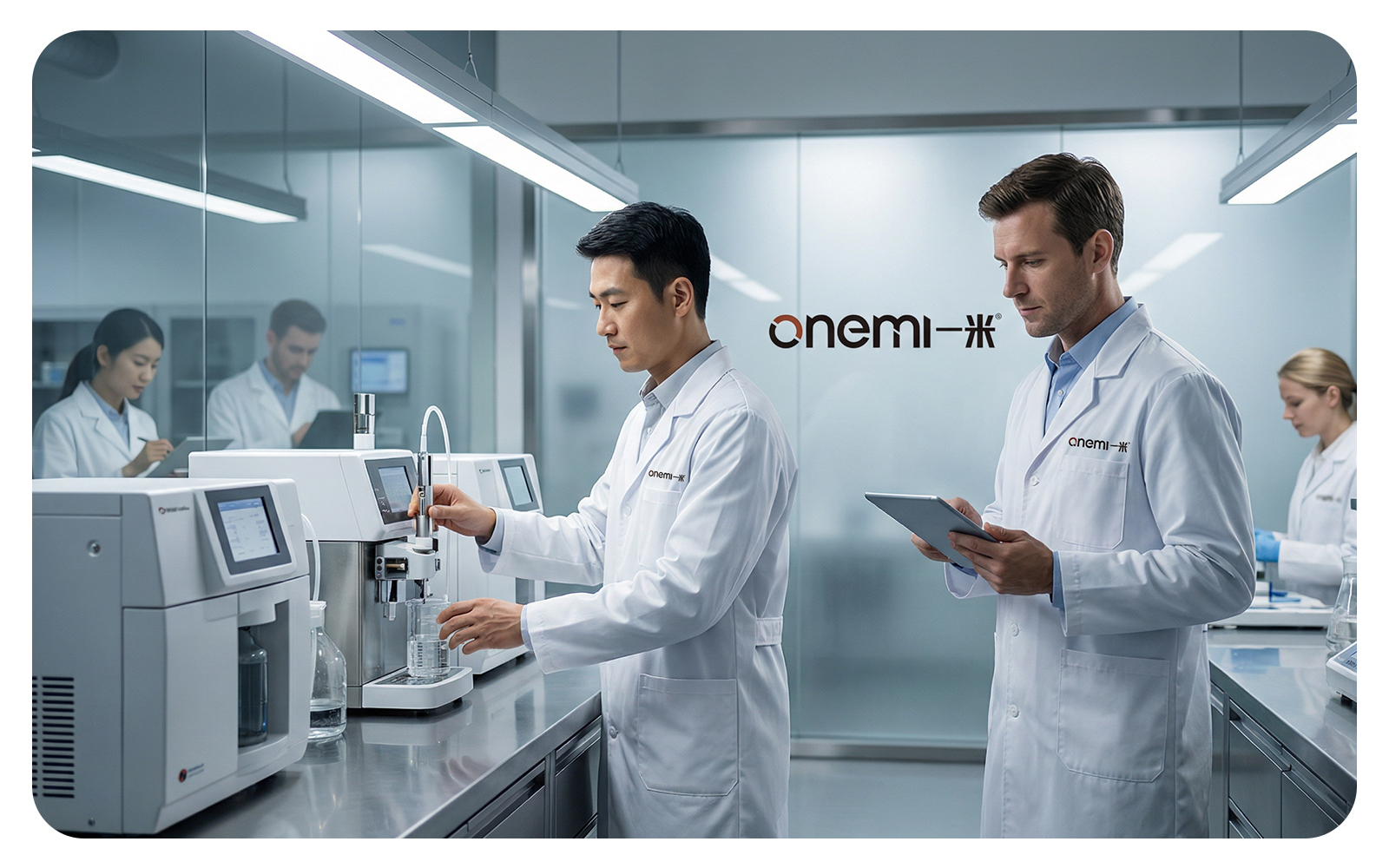
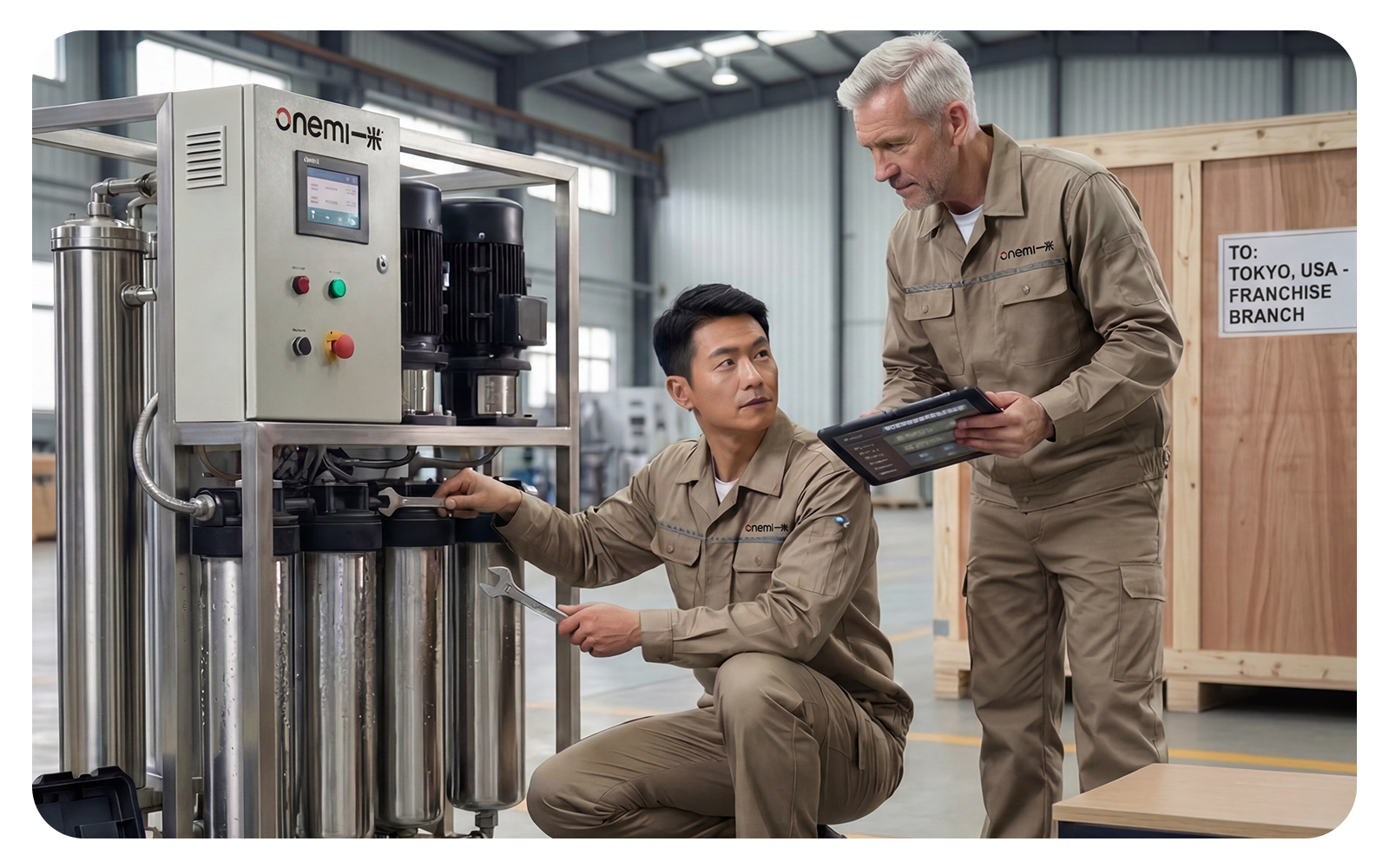
As a professional water purification equipment manufacturer based in China, ONEMI manufactures RO systems, whole-house filtration, and precision components. Our X2A series RO systems are designed with international quality standards in mind, featuring high-rejection RO membranes, lead-free water pathways, and robust construction suitable for global markets. We welcome international buyers to discuss certification requirements for their target markets, and our testing lab is responsible for Yimi PureFlow certified testing protocols — ensuring every product meets verified performance standards, before shipment.
Regional Certifications Beyond NSF
Depending on your target market, additional certifications may be required alongside NSF:
- WRAS (UK): Required for water fitting products in the United Kingdom
- ACS (France): French certification for products in contact with drinking water
- WaterMark (Australia): Mandatory for plumbing products in Australia and New Zealand
- CE (EU): European conformity marking for products sold in the European Economic Area
Conclusion
NSF certification is a cornerstone of trust in the global water filtration industry. For B2B buyers sourcing from China, understanding what NSF certification means — and how to verify it — is essential for making informed procurement decisions. ONEMI is committed to manufacturing water purification products that meet international quality standards, and we welcome partnerships with distributors, importers, and private-label clients worldwide.
ONEMI onemiro.com Original Content
ONEMI — www.onemiro.com Original Content